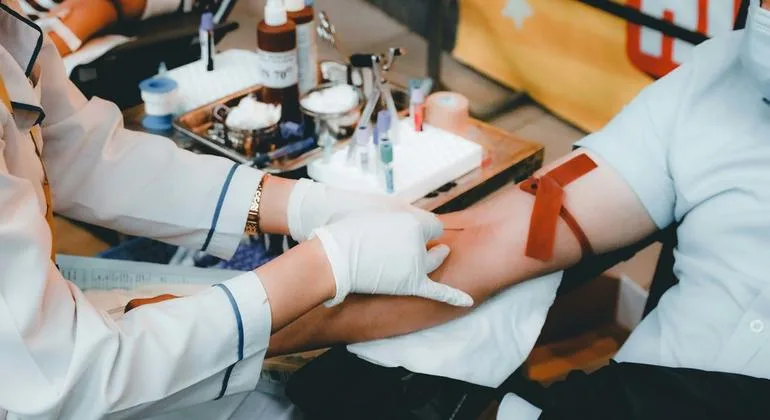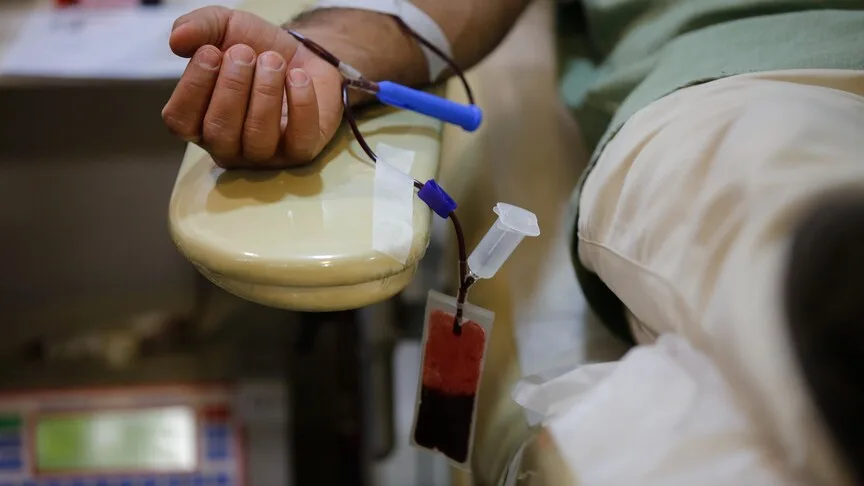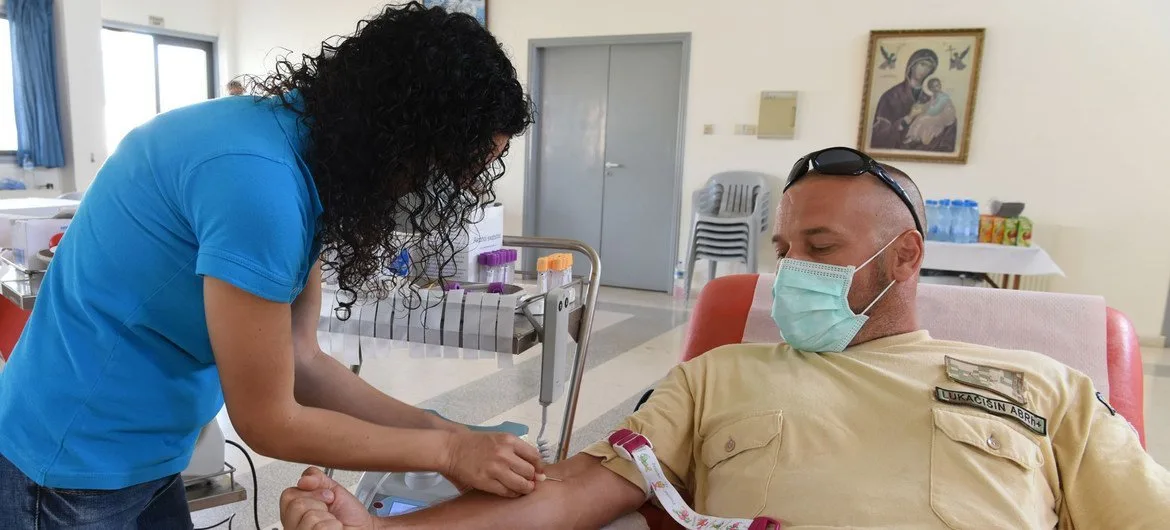
Global blood collection rose nearly 19% between 2013 and 2023, reaching approximately 120 million units in 2023, the World Health Organization reported on June 12, 2026 [1, 2]. Over 85% of these donations now come from voluntary unpaid donors, a significant share that reaches 98.4% in high-income countries but falls to only 63.4% in low-income nations [1, 2].
High-income countries, which make up just 15% of the world population, collected 36% of all blood donations worldwide in 2023, reflecting stark disparities in blood supply distribution [1]. Blood donation rates vary widely, ranging from 0.4 to 53 donations per 1,000 people across different countries, with 24 countries reporting fewer than five donations per 1,000 people [1].
Many low-income countries face ongoing blood shortages due to challenges in funding, infrastructure, logistics, and donor recruitment [1, 2]. About one-third of countries lack legislation to guarantee the safety and quality of blood and blood products. Furthermore, only 64% of countries maintain regular inspection systems for blood services, 62% have licensing, and just 40% report certification of transfusion services [1].
Sustainable funding remains a major hurdle, as over one-seventh of nations have neither government budgets nor cost recovery systems dedicated to blood services [1]. Safe blood is essential for treating complications from childbirth, severe anemia, trauma, surgery, cancer, and chronic blood disorders, making access a critical public health concern [1, 2].
WHO’s Deusdedit Mubangizi said, "Access to sufficient, secure supplies of blood and blood products, coupled with safe transfusion practices, is a fundamental component of resilient health systems and a critical enabler of universal health coverage." He added, "Despite notable progress over the past decade, universal access to safe blood and blood products remains elusive for many countries" [2].
Donated plasma also plays an important role in producing treatments for bleeding disorders, immune deficiencies, and other serious conditions [2]. The report comes just days before World Blood Donor Day on June 14, 2026, observed under the theme "One Drop of Humanity. Blood Saves Lives."