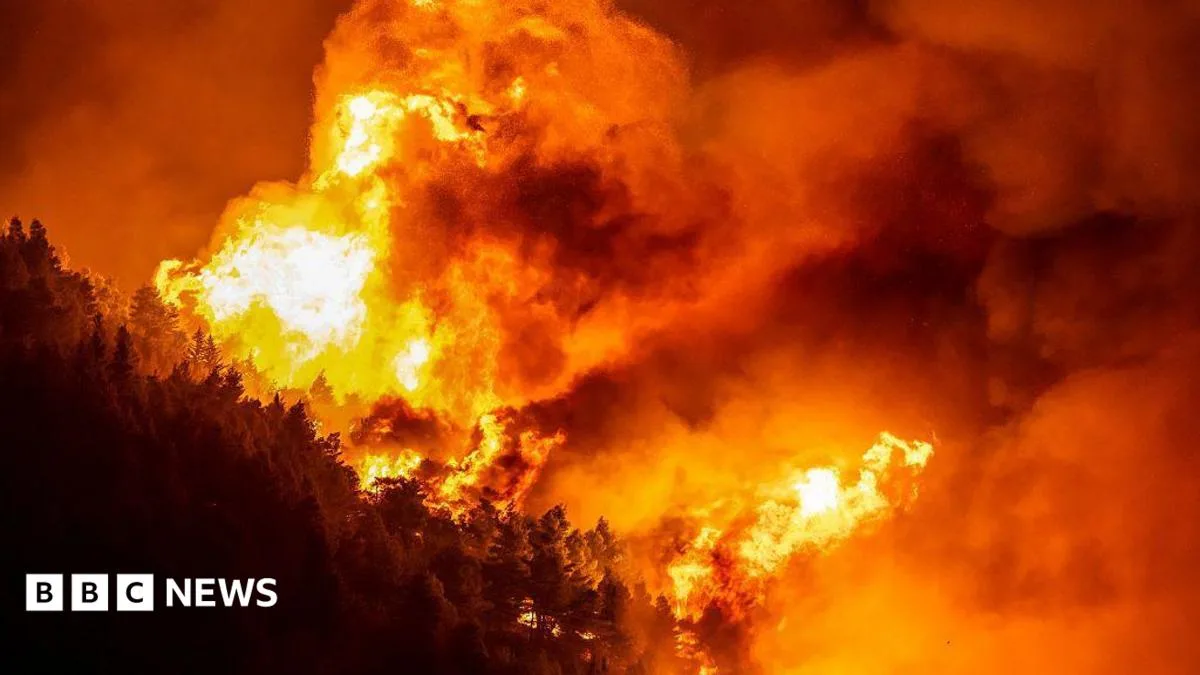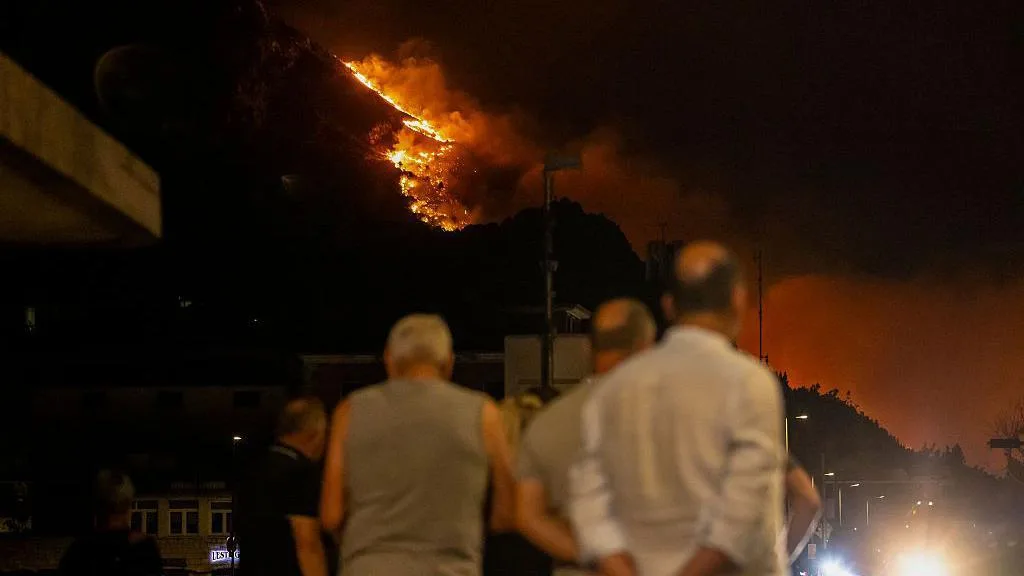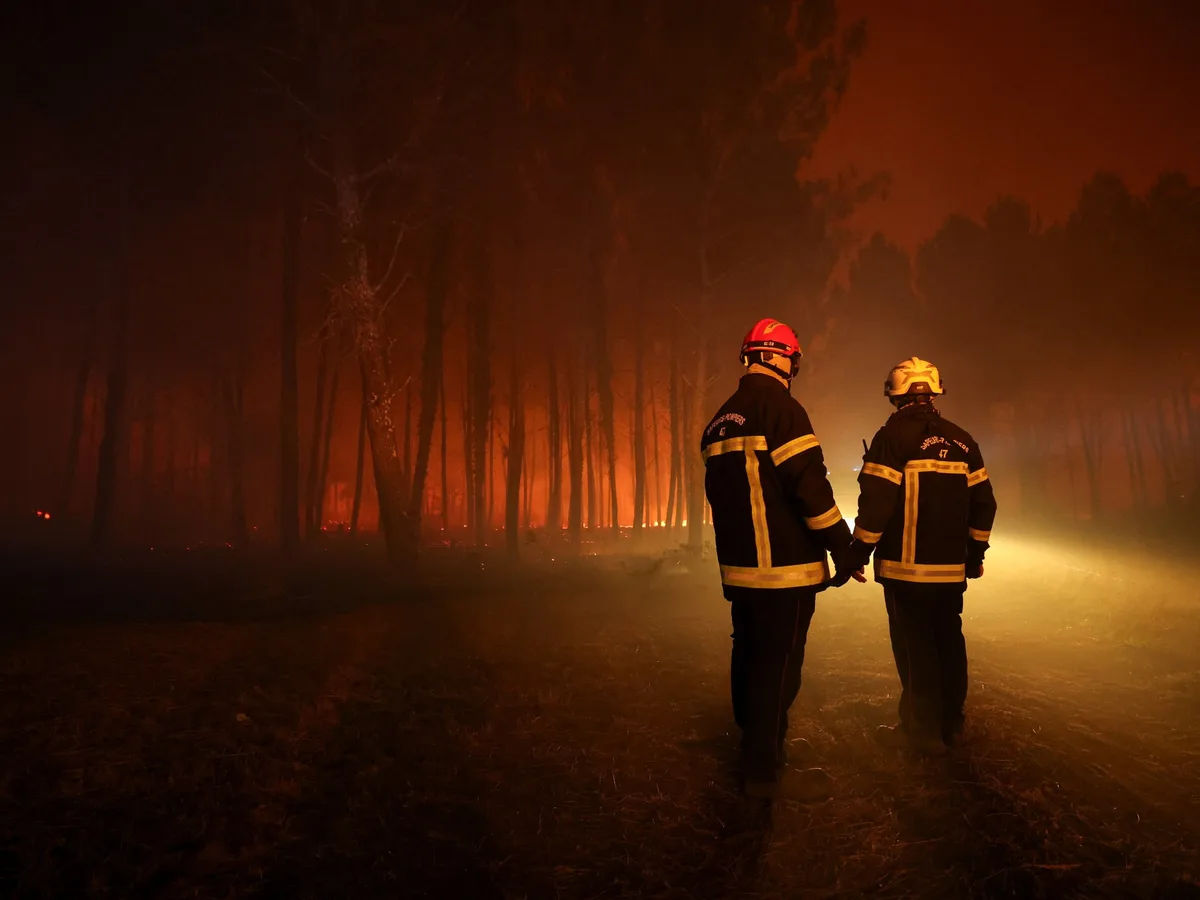
A major wildfire broke out near Lokva Rogoznica on the evening of August 13, 2026, and spread rapidly toward the tourist town of Omis the next morning, fueled by strong, shifting winds [1, 2, 3, 4]. By early August 14, flames reached the Borak neighborhood of Omis, prompting evacuations [1, 4].
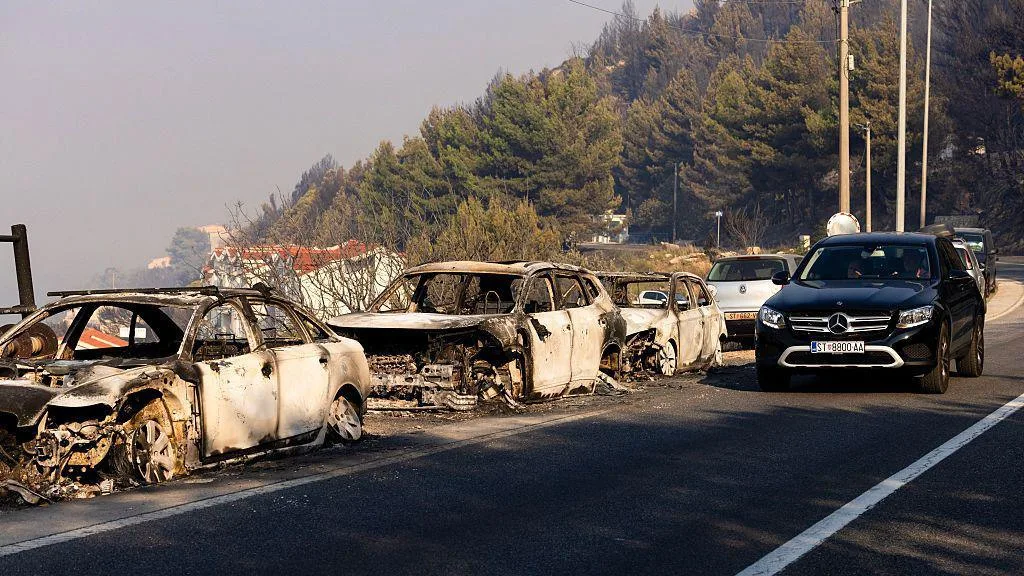
The fire destroyed numerous homes and vehicles and severely damaged forest and vegetation along Croatia’s Dalmatian coast, burning an area estimated between 1,000 and 1,100 hectares within hours [1, 3, 5, 4]. Over 200 firefighters and more than 90 fire vehicles from multiple counties fought the blaze, though some crews had to retreat as the fire advanced [1, 3, 2]. Croatia’s fire chief Slavko Tucakovic called it one of the worst wildfires in recent history. "We have had an extremely difficult night, we have a complicated situation in the area from Lokva Rogoznica to Omis," he said [2].
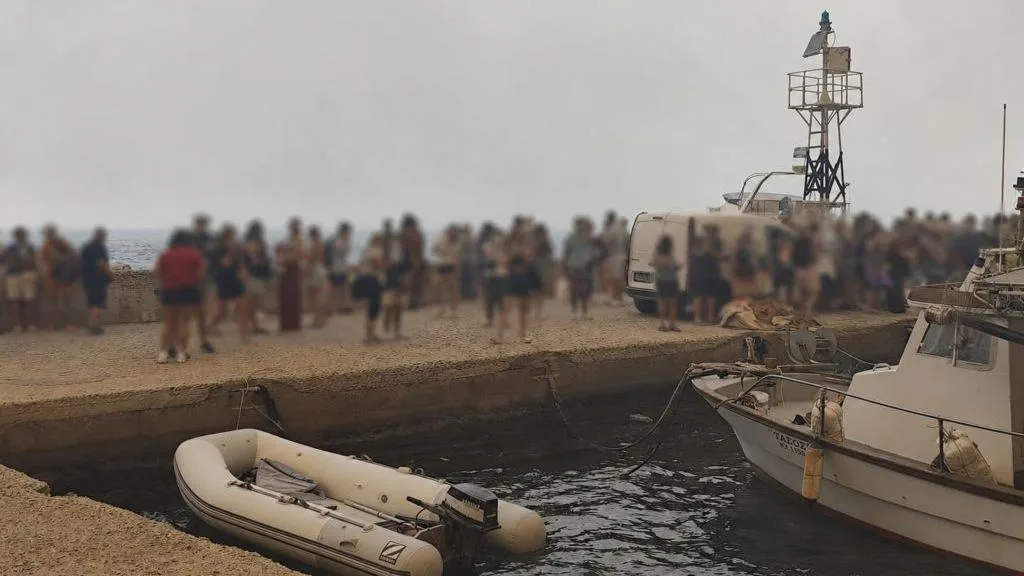
About 1,000 to 1,200 residents and tourists were evacuated from threatened areas. Evacuations included sea transport by navy and harbor vessels. Several emergency shelters opened, including a sports hall in Omis that housed roughly 1,000 evacuees overnight [1, 2, 3, 4].
At least one person died, and reports indicate around 40 to 42 people were injured with injuries ranging from minor to serious. Ten people required intensive care and multiple others were hospitalized in Split. Some sources report variations in injury numbers, with others citing at least 19 treated by ambulances or 14 hospitalized, seven in life-threatening condition [1, 2, 3, 5, 6].
Croatian Prime Minister Andrej Plenkovic visited the area on August 14, praising the efforts of emergency crews. He described the fire spreading at "lightning speed" with "gale-force winds," calling what firefighters managed to save "truly a miracle" [1, 6]. Omis Deputy Mayor Ivan Pivcevic described the situation as "extremely difficult," noting "numerous houses had burned and more buildings remained threatened" [4].
The wildfire comes amid a summer of intense heatwaves and drought across Europe, with climate change linked to an increase in severe fires [1, 2, 3, 5]. Firefighting operations continue as crews battle shifting winds and smoldering hotspots in the region.