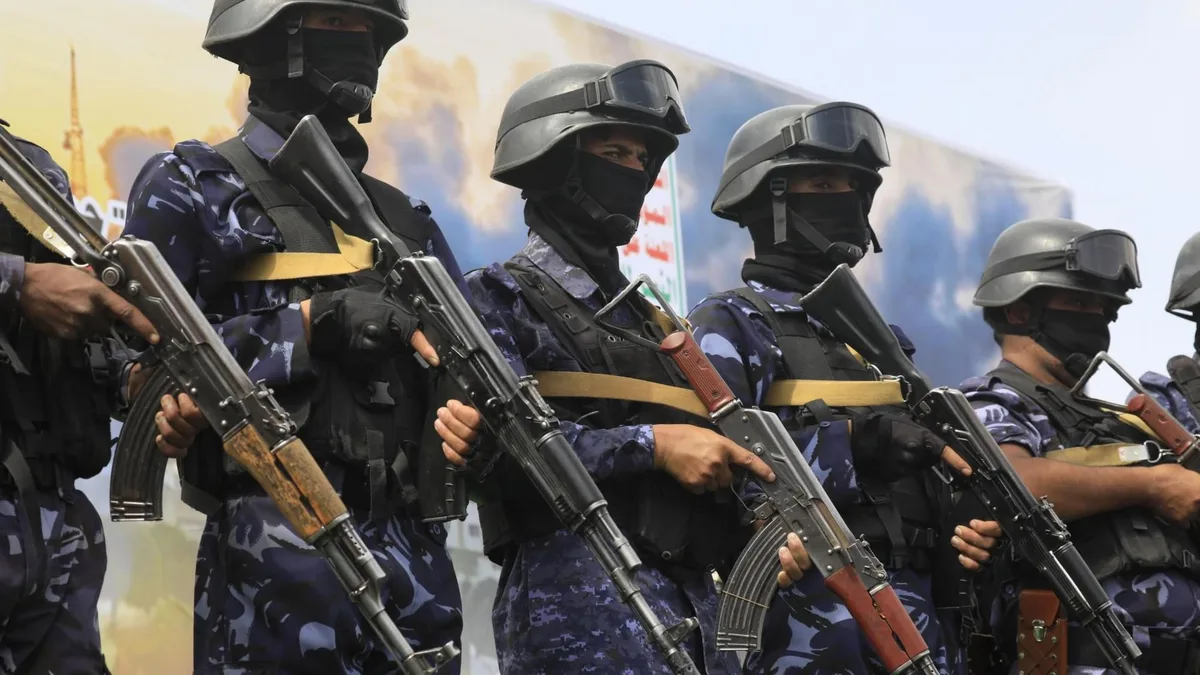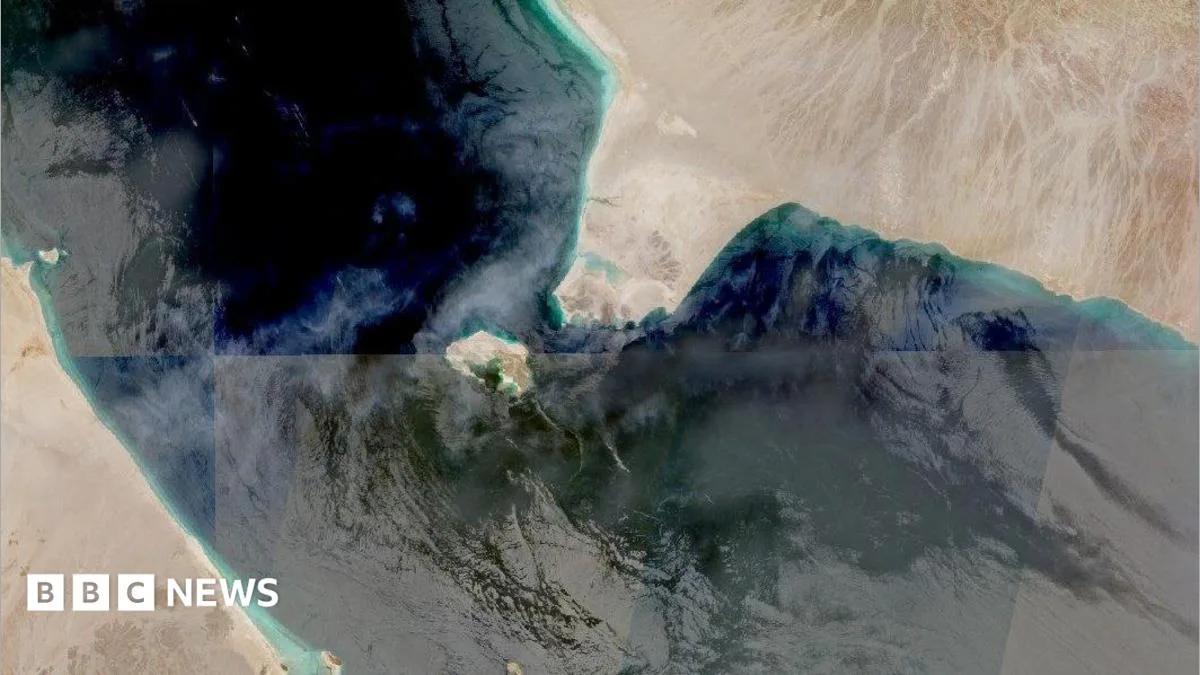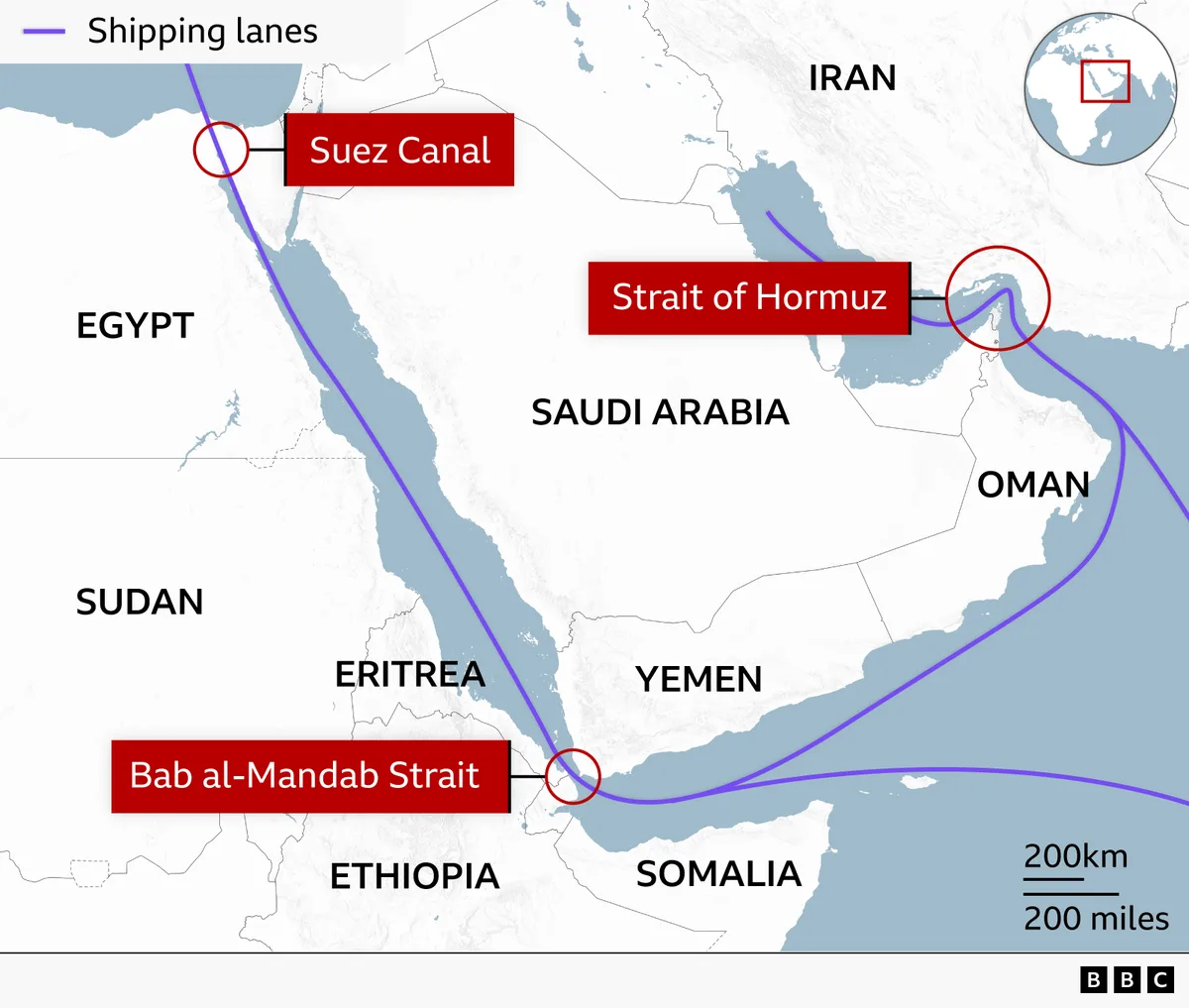
Yemen's Houthi rebels announced a maritime embargo and naval blockade against Saudi Arabia on July 20, citing nearly 12 years of Saudi-imposed blockades on Yemeni ports and airports as justification [1, 2, 3]. They declared closure of the Bab al-Mandab Strait, a critical 32-kilometer-wide chokepoint, to Saudi vessels as part of the blockade [1, 4]. The Houthis warned all shipping companies not to dock at Saudi ports, threatening sanctions and attacks against vessels operating within their reach [3, 4].
On July 23, the Houthis claimed they attacked two Saudi oil tankers, named Encelia and Layla, in the Red Sea using drones and missiles for allegedly violating the blockade [5, 6, 7]. The UK Maritime Trade Operation and British maritime risk groups confirmed the attacks caused fires but reported no casualties [5, 6].
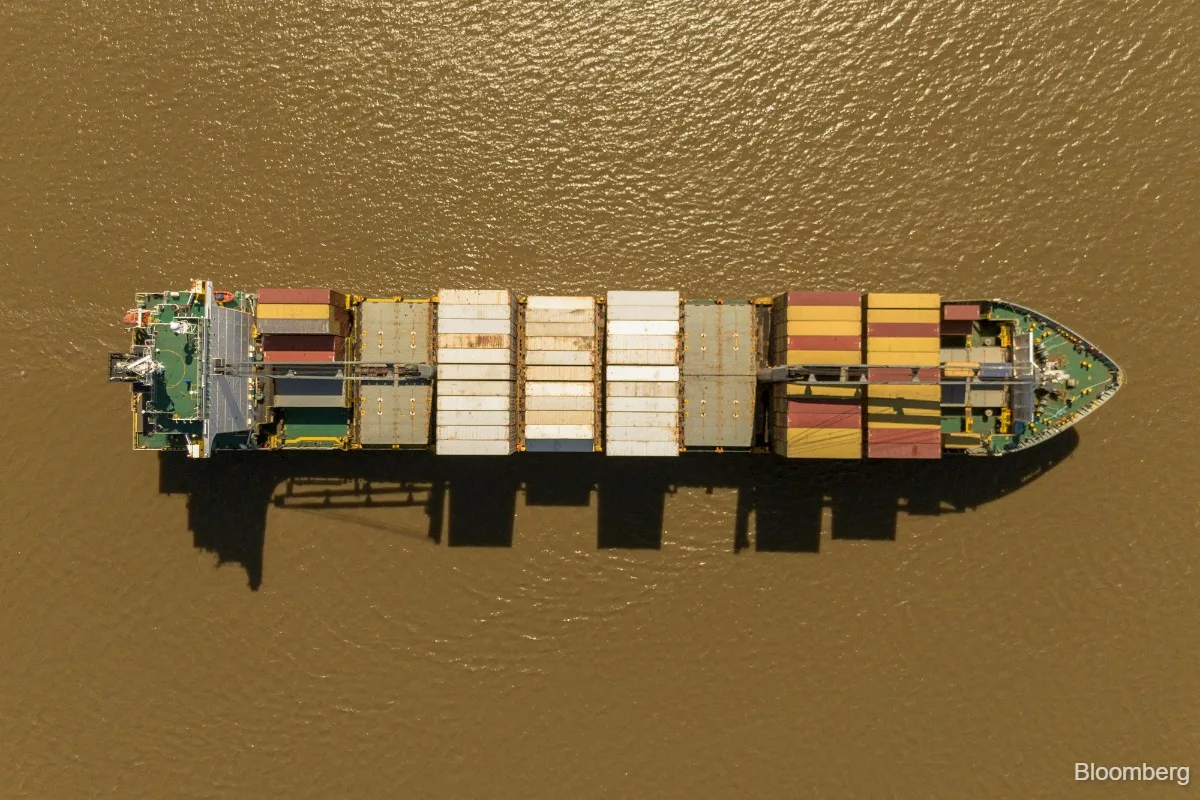
The Houthi blockade and tanker attacks risk disrupting Saudi oil exports through the Red Sea, a key route especially amid near closure of the Strait of Hormuz due to US-Iran tensions [1, 4, 8, 9, 10, 7]. Around 7% of the global oil supply passes through the Bab el-Mandeb Strait, making its closure a significant threat to energy security [8, 9]. Ships have rerouted or anchored to avoid Saudi Red Sea ports and the Bab el-Mandeb area after Houthi threats, escalating maritime risks [10]. Malaysia condemned the threats to the strategic strait, stressing freedom of navigation and adherence to international maritime law. A Malaysian Foreign Ministry statement warned, "Any disruption to vital global shipping chokepoints poses a direct and unacceptable threat to the stability of international supply chains, energy security and global economic recovery" [9].
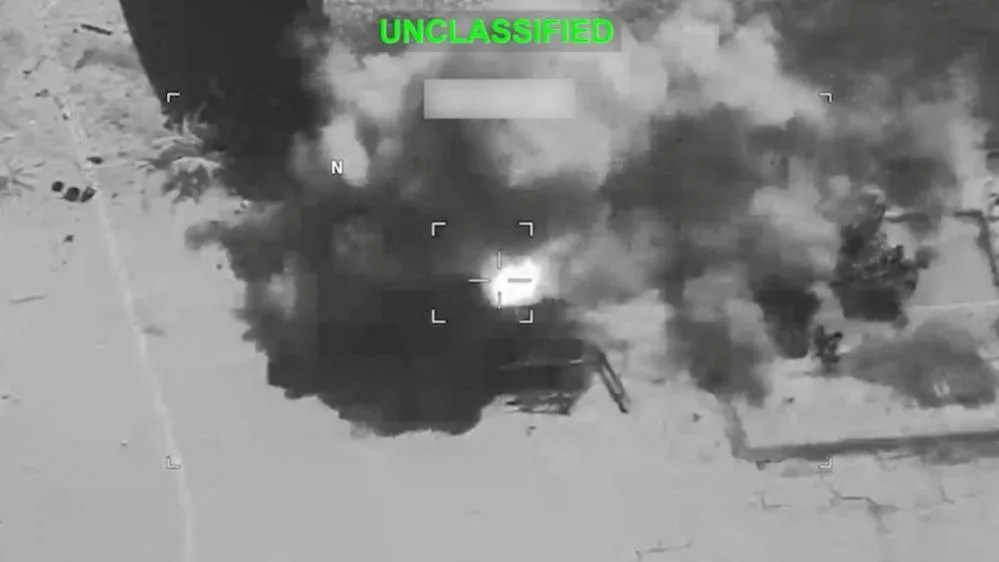
The conflict has rapidly intensified following missile attacks on Saudi airports by the Houthis and Saudi-led air strikes on Houthi-controlled airports, marking the most serious escalation since a March 2022 informal truce [1, 2, 11]. The US Central Command responded with 12 consecutive nights of strikes targeting Iranian military and maritime assets, citing threats to civilian mariners and commercial vessels [5, 6]. US President Donald Trump publicly threatened to target Iranian infrastructure and warned he would "take care of" the Houthis if they block the Red Sea shipping lanes [5, 8, 6, 11].
Yahya Sarea, Houthi military spokesman, stated, "Any foolish act committed by the reckless Saudi enemy through all escalation will be met with a comprehensive and decisive escalation" [1]. UN special envoy Hans Grundberg said the events mark a setback for Yemenis, noting, "Recent events have taken Yemen in the opposite direction, and that is a setback for Yemenis above all" [11].
More than 150,000 people have died in the Yemen conflict, with over 22 million needing some form of aid [1]. UN and Oman-led mediation efforts continue, but pessimism grows amid rising hostilities [11].