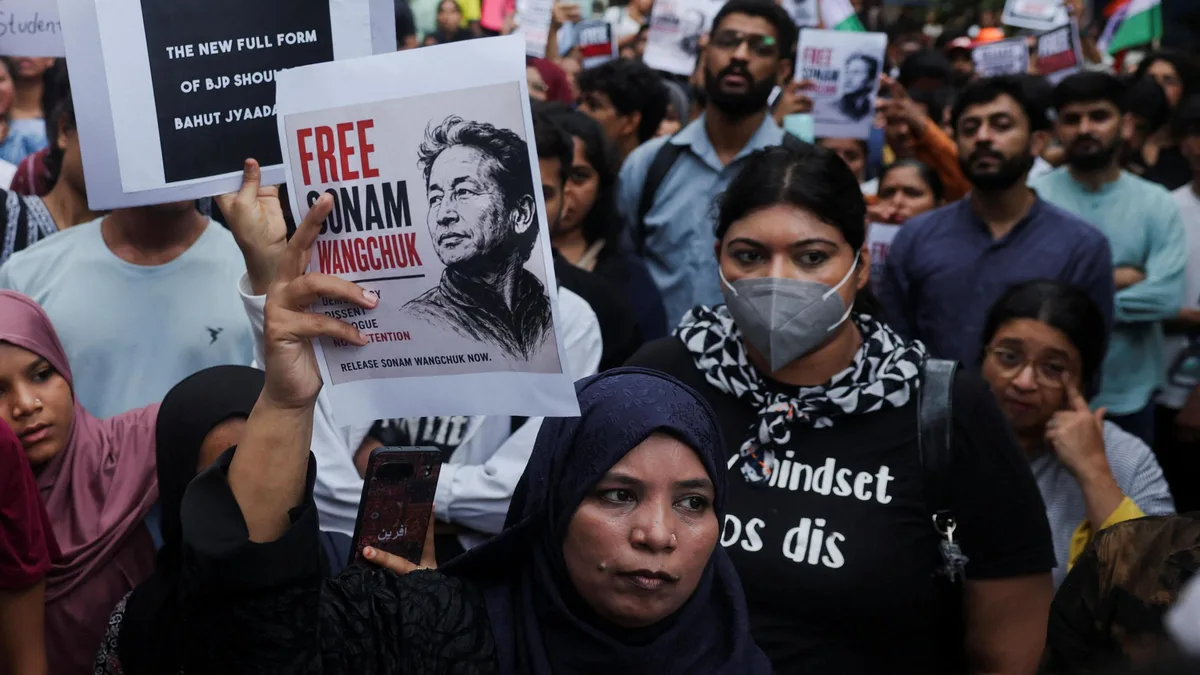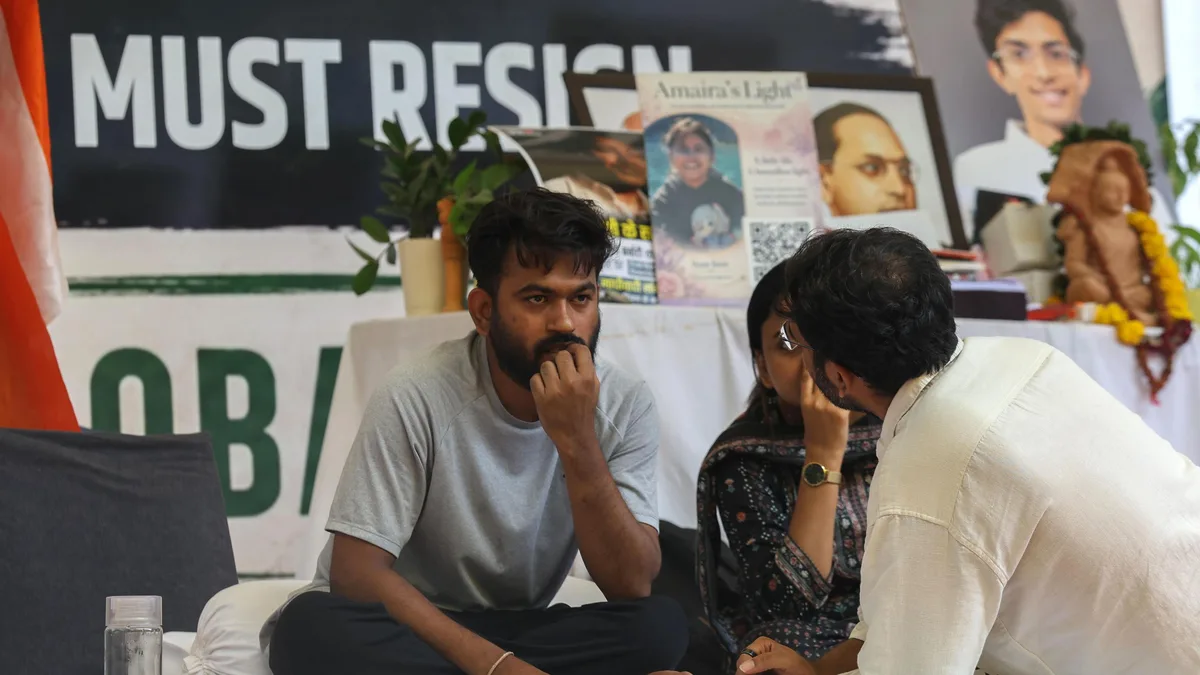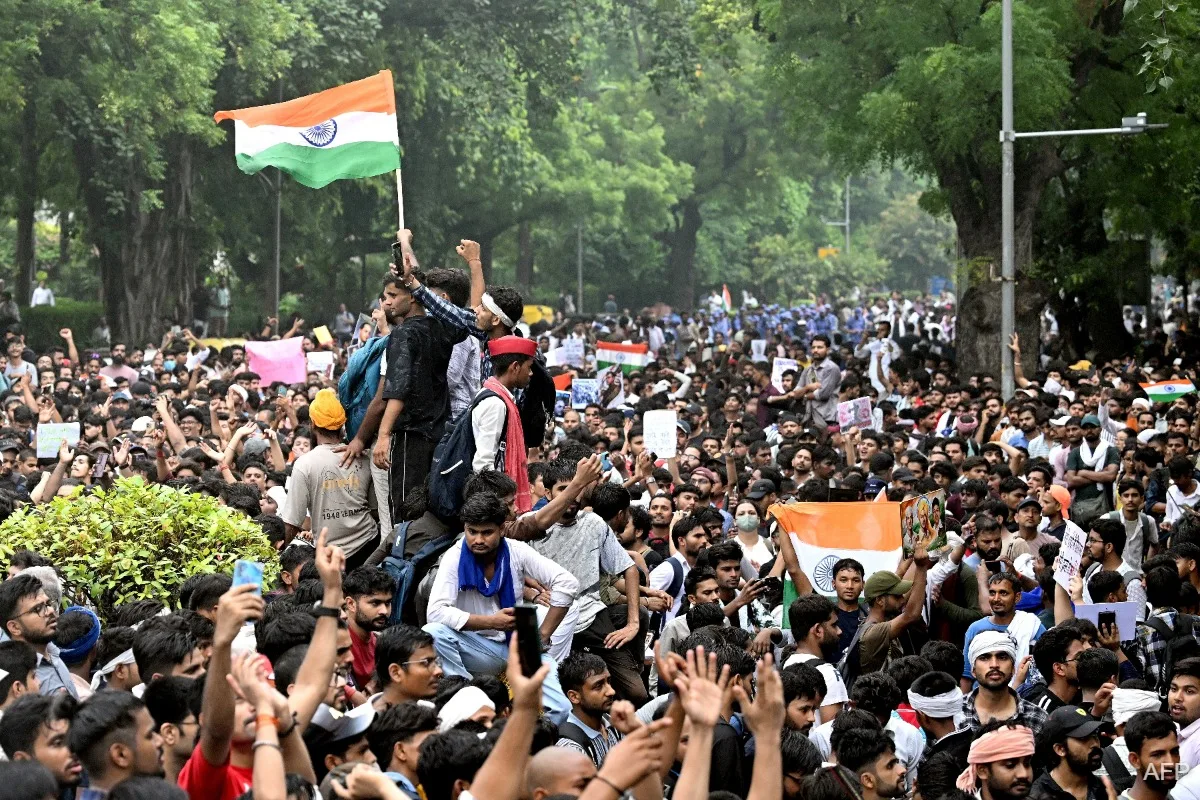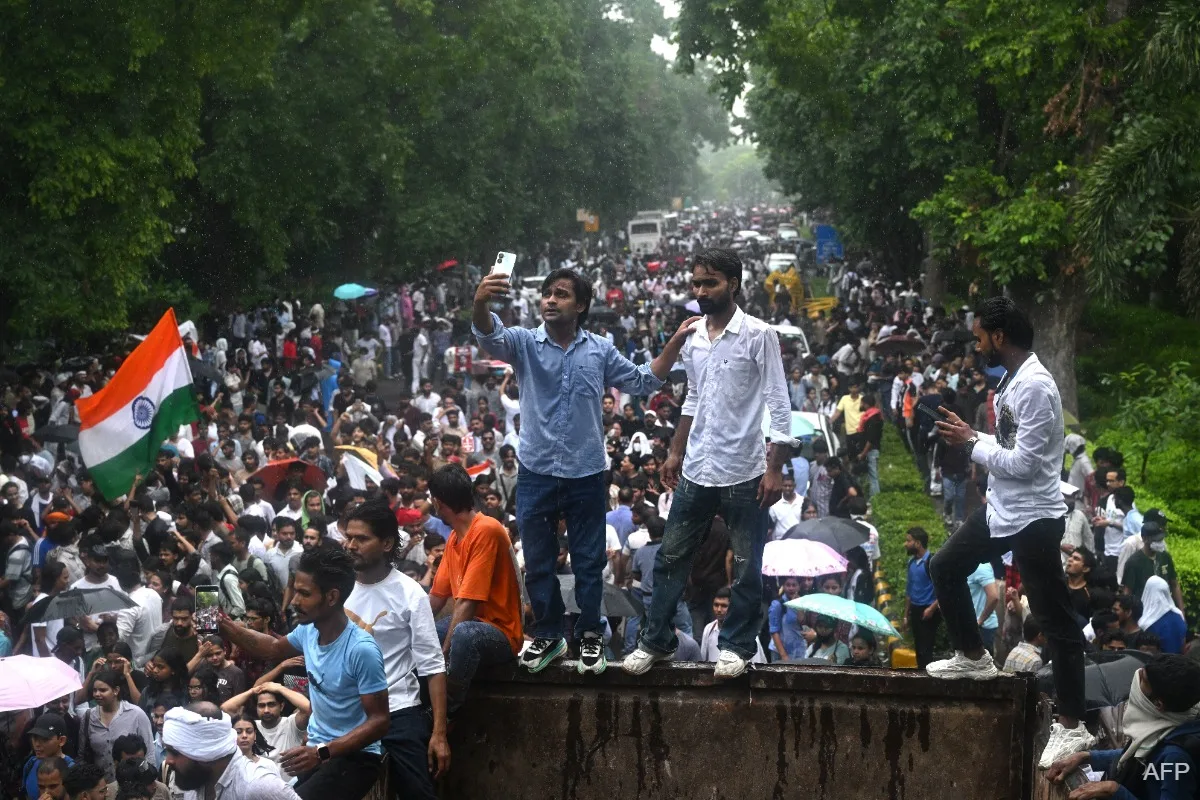
Thousands of young protesters, led by the Cockroach Janta Party (CJP), staged large demonstrations across Delhi and major Indian cities demanding the resignation of Education Minister Dharmendra Pradhan over alleged leaks of medical college entrance exam papers affecting approximately 2 million candidates [1, 2, 3, 4, 5].
The CJP began in May 2026 as a satirical online movement but quickly evolved into a serious youth-led political force after attracting tens of thousands of followers [1, 6, 2, 3, 4, 5]. Its name was derived from controversial remarks by Chief Justice Surya Kant likening unemployed youth to cockroaches, a comment later clarified [1, 6].
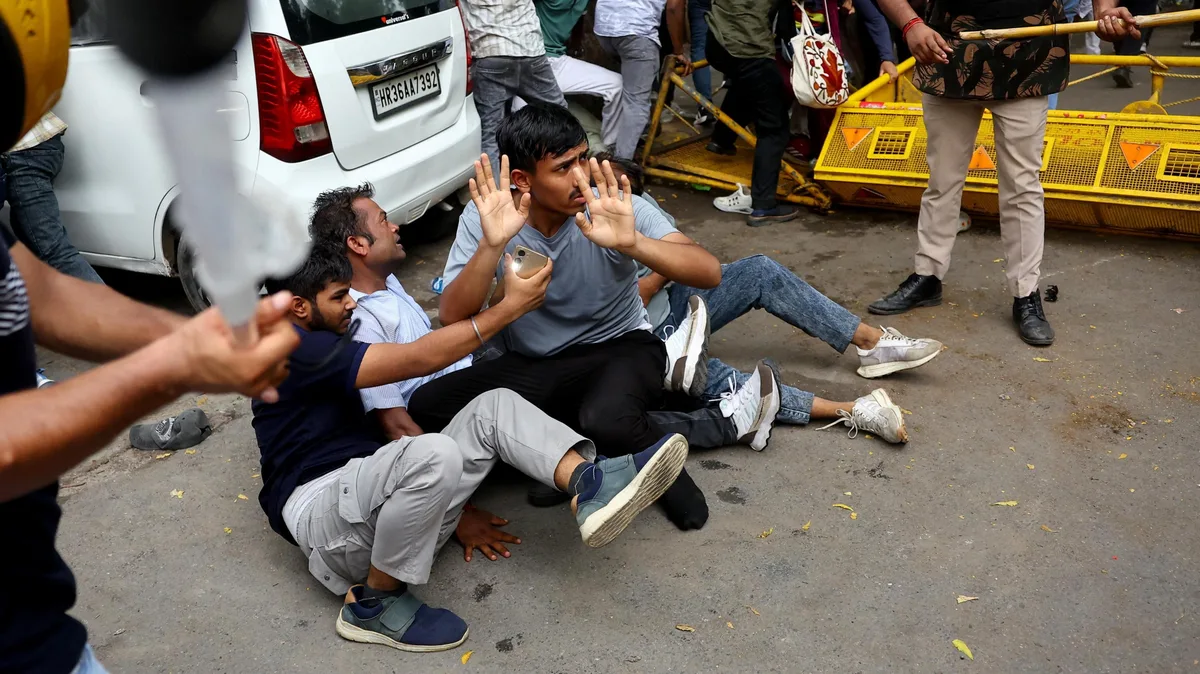
Protests peaked on July 20 in central Delhi, where thousands attempted to march to Parliament but were blocked by police who used tear gas and batons to disperse crowds [6, 7, 8, 2, 3, 4, 9, 10, 11, 5]. Police reported 118 security personnel injured while about 150 protesters were hospitalized amid clashes [9, 10, 11]. In response, the Delhi Metro Rail Corporation shut 16 city-center stations to tighten security [2, 3, 4, 5].
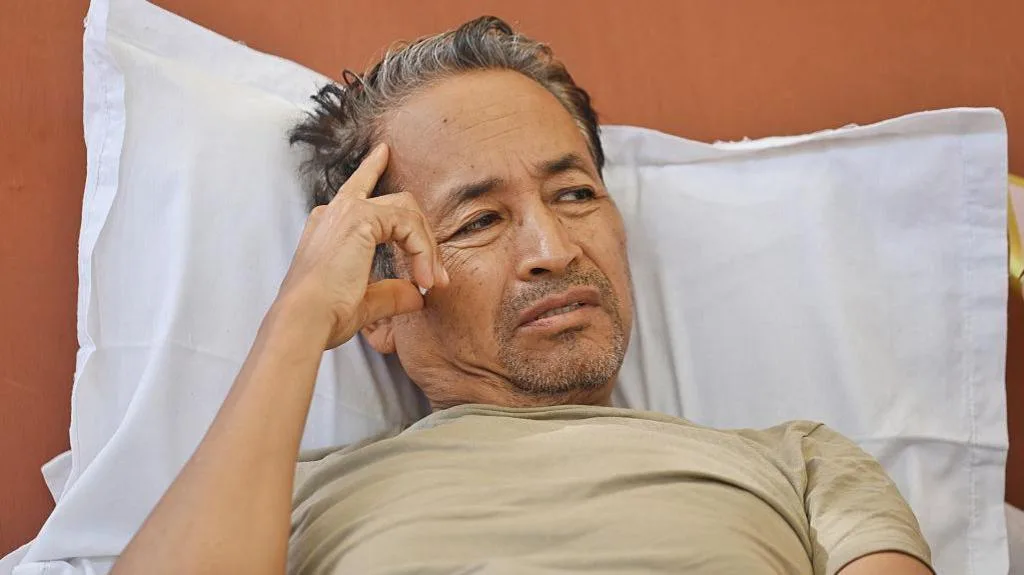
The protests spread beyond Delhi to cities including Mumbai, Bengaluru, Kolkata, Goa, Guwahati, Thiruvananthapuram, Jammu, and Ahmedabad [2, 3, 4, 5]. Renowned engineer and activist Sonam Wangchuk supported the protests with a 20-day hunger strike. He was forcibly hospitalized on July 18, which intensified youth unrest [1, 10, 11, 5].
Prime Minister Narendra Modi confirmed on July 21 that authorities arrested 13 people tied to the paper leak and took strict measures to prevent future cases. He said, "The government acted immediately after reports of the paper leak surfaced, and 13 people were arrested and sent to jail. Strict steps have been taken to prevent such paper leaks in the future." [9]
Despite government action, protesters and opposition leaders continue demanding Pradhan’s resignation and broader education reforms [6, 7, 2, 3, 4, 11, 5]. Opposition leader Rahul Gandhi led protests outside Parliament on July 22, pressing for accountability and disrupting sessions. He said, "The opposition will not let this be buried. We will ensure that the students’ voice will be heard on the streets and in Parliament." [2, 3, 4, 5]
Protest chants also targeted Prime Minister Modi, revealing wider dissatisfaction with his government beyond the education ministry [6, 7]. CJP spokesperson Saurav Das said, "The government had reached out for talks in the morning. The youth has gathered in huge numbers. We shall win." [6]
Student protester Sumit Kumar added, "Our country needs a government willing to listen to young people and correct mistakes. The future belongs to us, not these politicians." [10]
Senior BJP member Amit Malviya criticized the protests, stating, "India’s democracy is shaped by the ballot, not by orchestrated violence on the streets." [7]
The next key development will be Parliament resuming sessions amid continued opposition protests and calls for Education Minister Pradhan’s resignation.