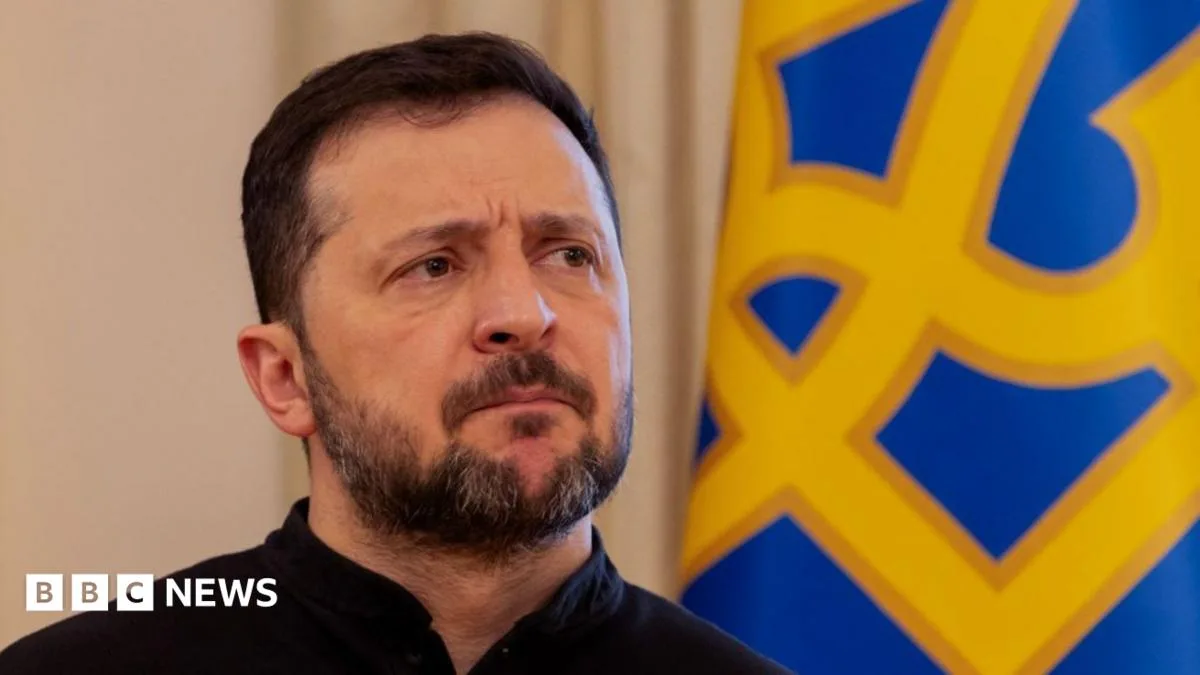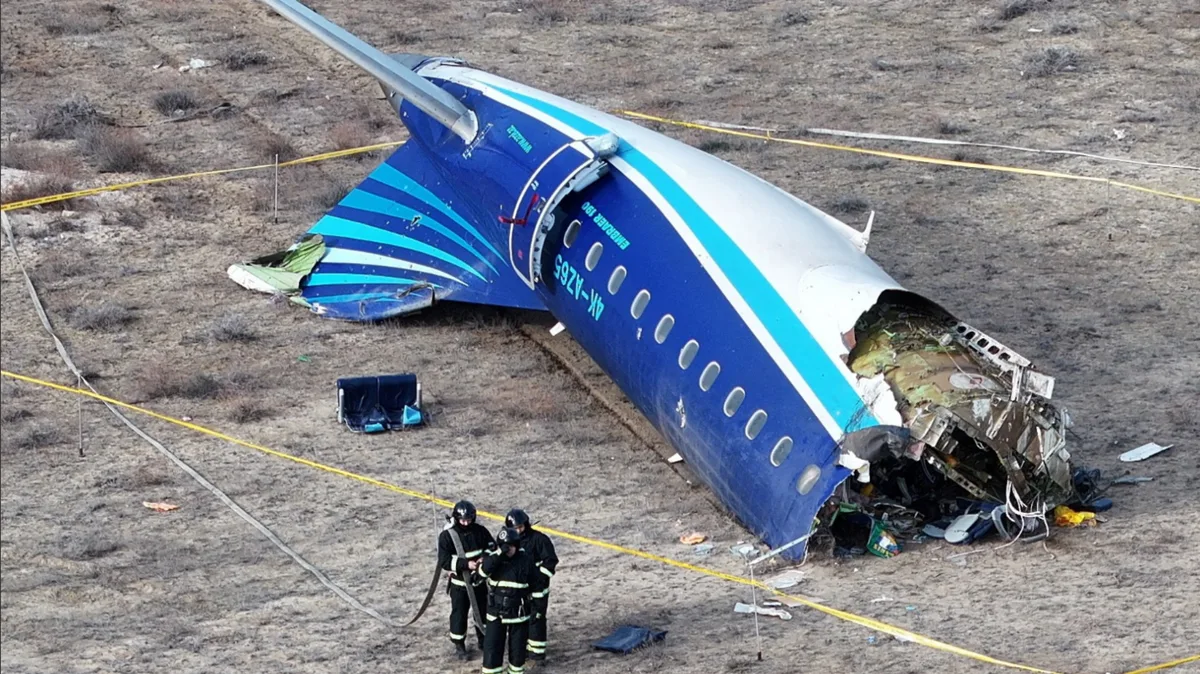
Ukraine's President Volodymyr Zelensky declared on September 1, 2026, that Ukrainian drone operations have effectively closed Russian airspace, warning airlines and insurers that flying there is dangerous during the ongoing war [1, 2, 3, 4, 5]. "Today, we want to warn every airline that uses Russian airspace, every insurer, everyone who still uses key Russian airports: the Russian sky is becoming completely dangerous," Zelensky said [1]. He stressed that Ukraine does not target civilian aircraft but cautioned that Russian skies will be filled with drones at a scale that must be considered [1].
While Western commercial airlines stopped overflying Russia early in the war in February 2022, carriers from China, Turkey, the UAE, and Gulf states still use Russian airspace to save time and fuel [1, 3, 6, 7]. Ukrainian strikes mostly occur within 300 kilometers of the border but also target deeper areas including near Moscow and St. Petersburg daily [1, 3, 8].
Russian President Vladimir Putin condemned Zelensky's statements as "state terrorism" and refused to negotiate, calling Ukraine's leadership terrorists [1, 8, 9]. Putin acknowledged Ukrainian strikes have damaged Russian infrastructure equal to about 1% of GDP and said 10% of damaged oil refinery capacity remains unrepaired [9]. On September 2, Putin vowed increased strikes on Ukraine's energy system [9].
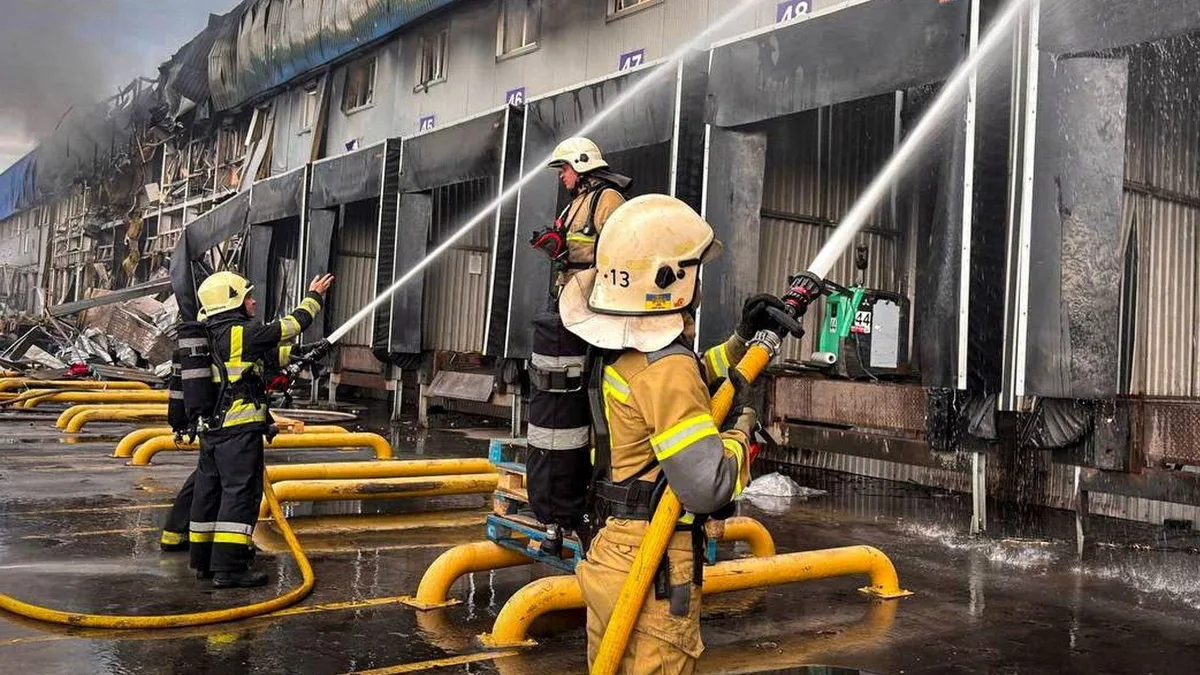
Russian authorities, including Transport Minister Andrei Nikitin and the aviation watchdog Rosaviatsiya, said they are working to ensure flight safety and airport operations despite the drone threat [6, 7]. Nikitin said, "We are constantly improving flight safety and airport security requirements... I believe that we will not allow any significant disruption to civil aviation" [6]. Despite this, Moscow airports such as Sheremetyevo and Vnukovo saw flight cancellations and disruptions, with about 43 flights cancelled on September 2 [6].
Ukraine formally notified the International Civil Aviation Organization that Russian airspace is unsafe due to intensified military activity, according to Foreign Minister Andrii Sybiha [6, 9]. Zelensky indicated Ukraine might pause drone operations at certain times or places if requested by international partners for diplomatic or negotiation purposes [10, 11].
Ukraine is also finalizing a drone deal with Germany involving joint development of drones, missiles, and software, including about 15,000 Strila interceptor drones and 50,000 Shrike attack drones funded by Germany, to enhance defense capabilities against Russian attacks [12].
The conflict has seen recent Russian advances capturing approximately 270 square kilometers in Donetsk and about 6,500 Ukrainian soldiers reported captured, reflecting continued intense fighting [9].
On September 3, Russia's Transport Ministry provided clarifications to foreign airlines about safety measures at Russian airports and in its airspace [7].