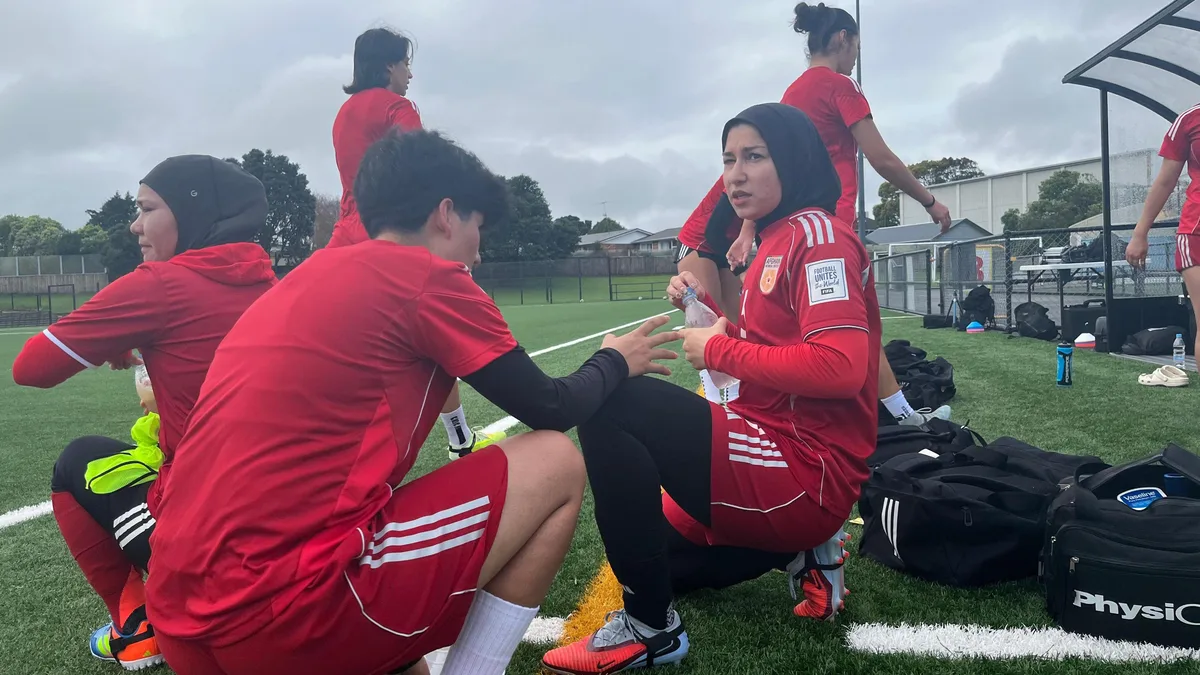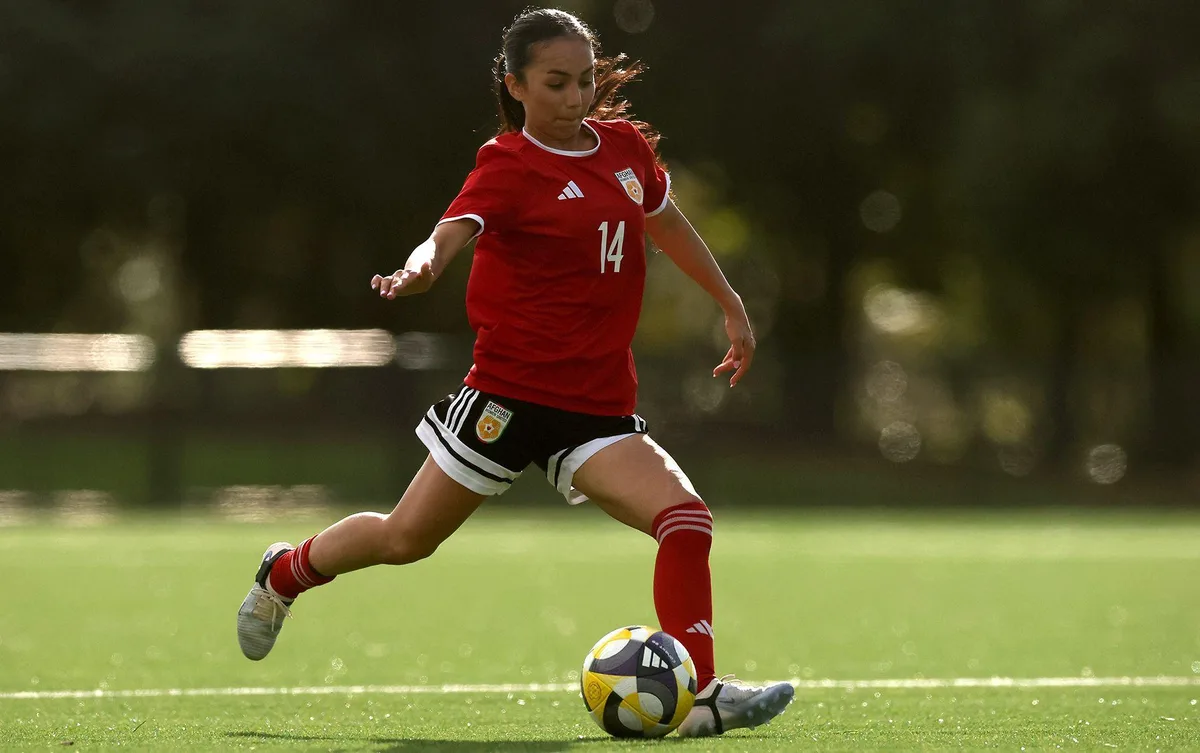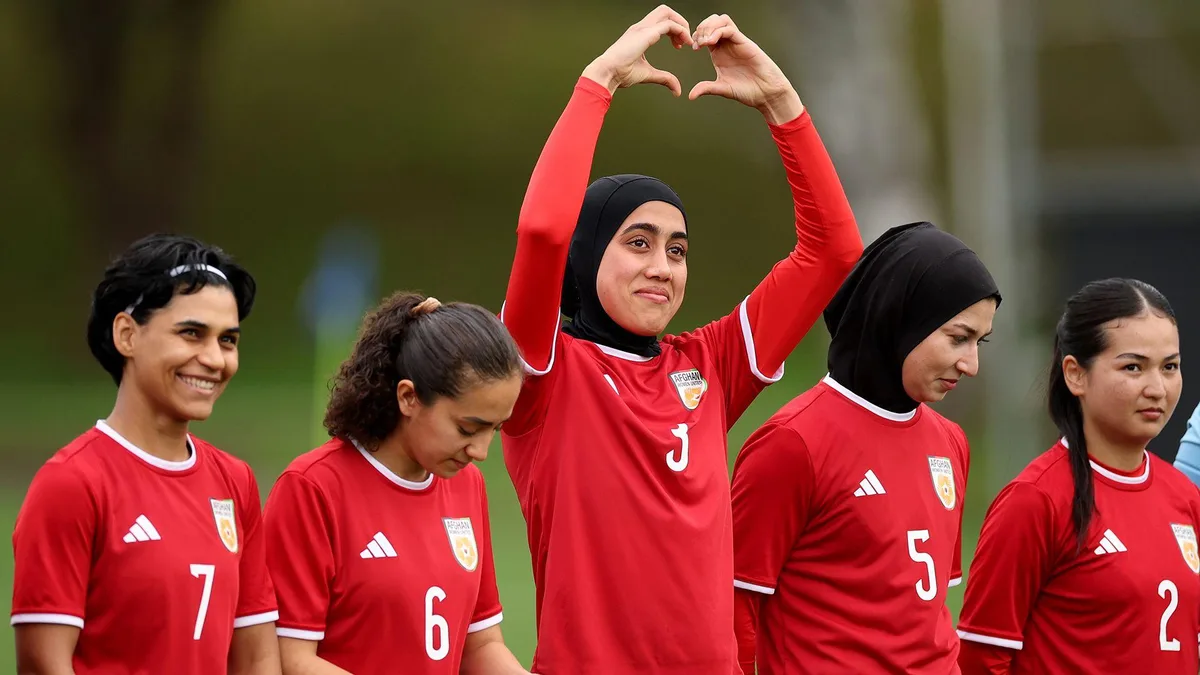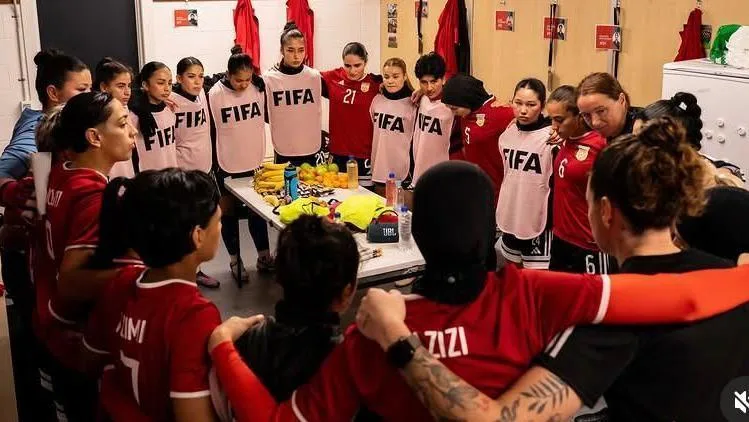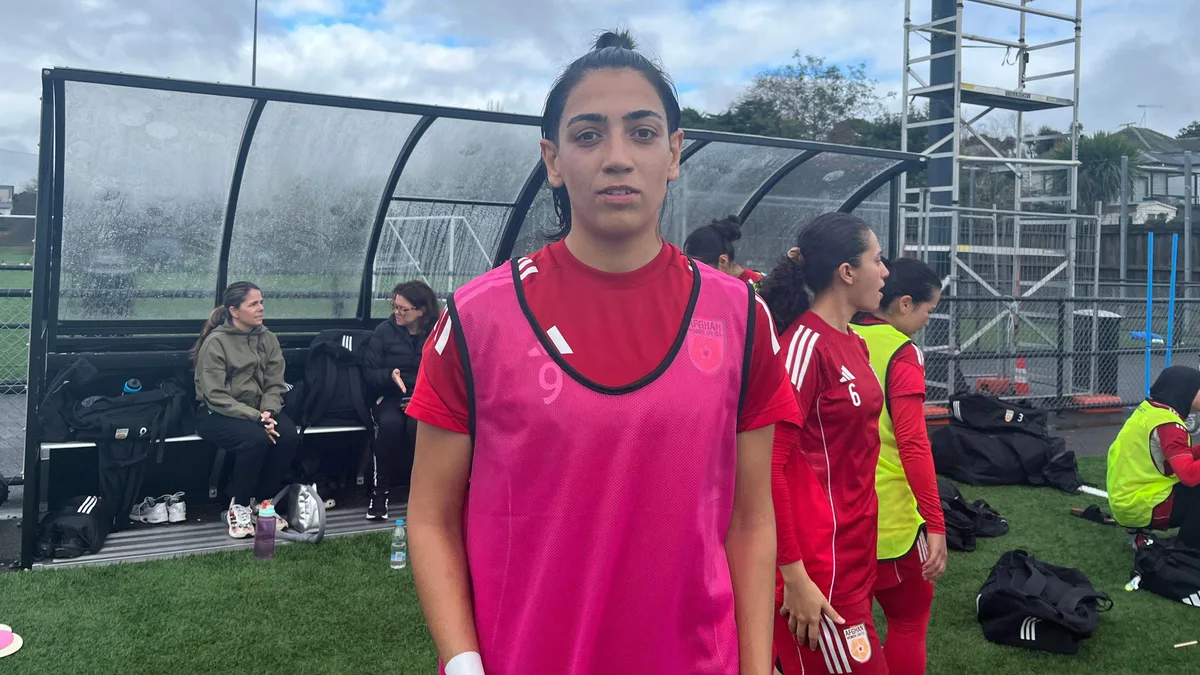
The Afghan women's national football team reunited abroad in New Zealand this August for the first time since FIFA ruled in April 2026 that they could officially represent Afghanistan internationally without Taliban approval [1, 2, 3]. The team comprises 23 players living as asylum seekers in countries including Australia, the UK, and Portugal [1, 2, 3].
They traveled approximately 13,000 kilometers to Auckland, where they held a training camp and played two unofficial friendly matches against the Cook Islands [1, 2, 3]. Despite difficult weather conditions during matches, which team member Najma Arefi recalled training under worse conditions exceeding 45 degrees Celsius back home, the players remained determined on the field [2, 3].
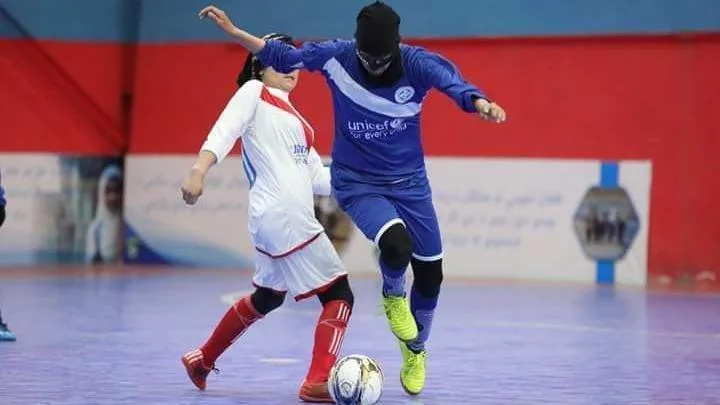
The team’s ability to play internationally had been blocked since the Taliban regained power in Afghanistan in August 2021 and banned women from organized sports, including football [1, 2, 3]. Until FIFA’s 2026 ruling, the Afghanistan Football Federation’s approval was required but impossible to obtain under Taliban restrictions.
The team, now known as Afghan Women's United, was formed by refugee players campaigning for years to keep women’s football alive. They can now seek qualification for the Olympics and World Cup [1, 2, 3].
Individual players have faced significant personal trials. Midfielder Manozh Noori, 23, who grew up playing football secretly in Kabul, fled Afghanistan in 2021 and now lives in Australia. She said, "I was really afraid. I kept thinking: 'He will definitely see me, he will definitely know.'" [2]
Mursal Sadat, 24, expressed how football saved her life: "If I were not a footballer, today I would still be in Afghanistan, becoming one of millions of girls who cannot study, cannot speak out, and cannot choose their future." She added that her family sees her as "the pride of our family. We are really lucky to have you." [2]
Fatima Haidari urged the team to "Be strong as always because we are representing Afghan women." [1]
The reunion in New Zealand marks the team’s first step back onto an international stage since the Taliban imposed sweeping prohibitions on women’s education, professions, and sports. The players’ next goal is competing officially in international football tournaments following FIFA’s groundbreaking approval [1, 2, 3].