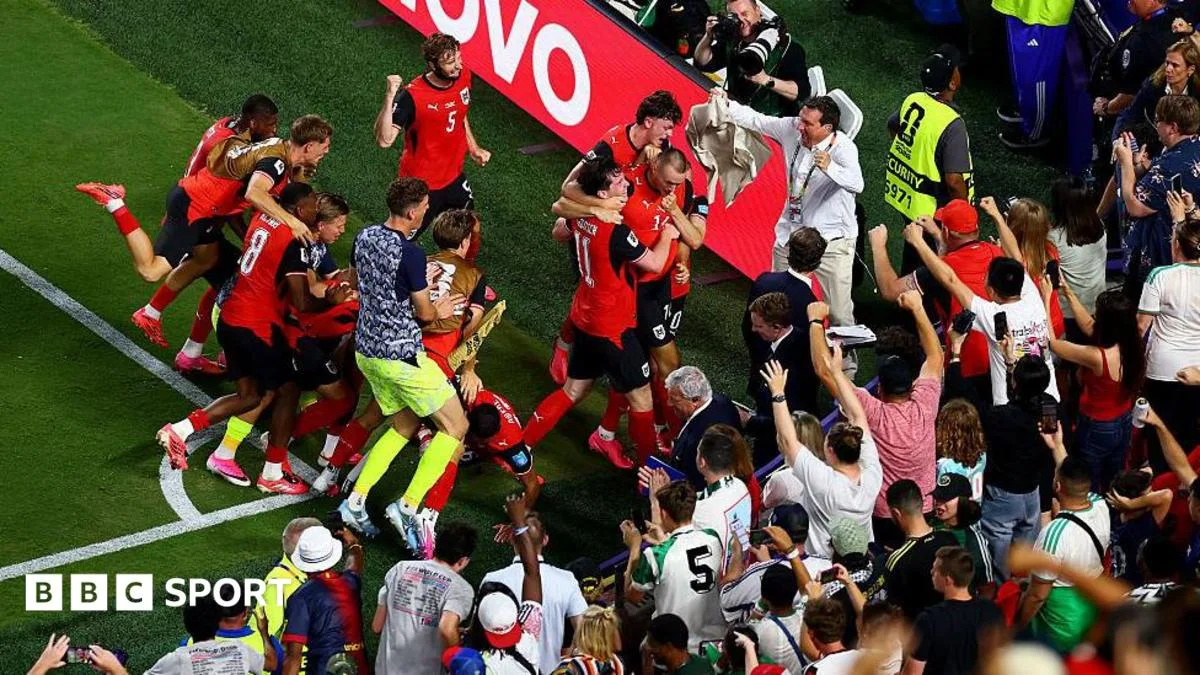
Algeria and Austria played to a 3-3 draw in their final Group J match of the 2026 World Cup on Sunday morning, allowing both teams to advance and ending Iran's tournament run [1]. The match featured six goals, with Austria scoring the opener and a last-minute equalizer in injury time to secure the draw [1].
Austria finished second in the group, while Algeria qualified as one of the best third-placed teams with four points after the match [1, 2]. Iran's elimination came as a direct result of the draw between Algeria and Austria [1].
Some Iranian fans and observers accused the game of being "scripted," noting moments after the score reached 2-2 when both teams appeared to slow their play and go through the motions [1]. Both Austria and Algeria denied any collusion or conspiracy surrounding the match [1].
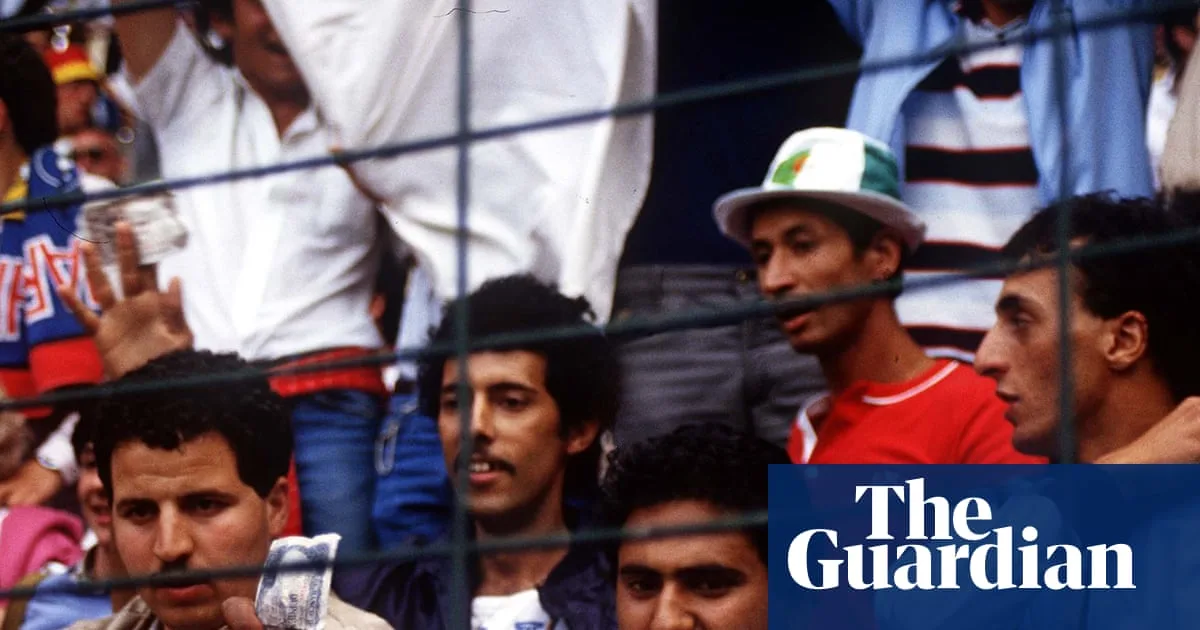
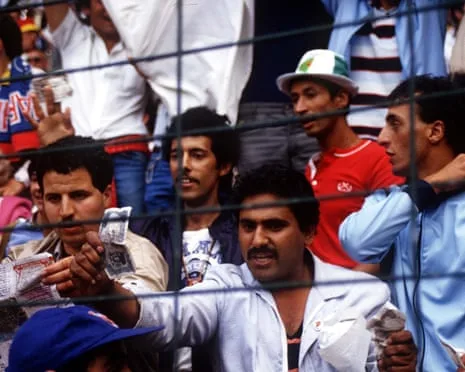
The 2026 fixture sparked comparisons to the infamous 1982 World Cup match dubbed the "Disgrace of Gijón," in which West Germany beat Austria 1-0 in a final group game that eliminated Algeria [1, 3, 2]. At that time, Algeria had already beaten both West Germany and Austria earlier in the group, but those teams played their final match knowing the exact result needed to advance at Algeria’s expense [3, 2].
The 1982 match featured a slow tempo and a lack of competitive intent after an early goal, widely regarded as a prearranged outcome to knock Algeria out [3, 2]. In response, FIFA changed rules to mandate simultaneous kickoffs for final group-stage matches to prevent such scenarios [2].
Ahead of the 2026 match, Austria would qualify if they beat or drew Algeria, while Algeria would qualify with a win or a draw as one of the best third-placed teams [2]. The 3-3 draw fulfilled both conditions, unlike 1982 when Algeria was the victim of a calculated elimination.
Salah Assad, an Algerian player from the 1982 squad, recalled the bitter disappointment of that year. "In truth, we knew they would do it beforehand. We knew they were going to conspire against us and ensure Algeria didn’t qualify. So we went out shopping, buying gifts for our loved ones, fully expecting to be on a plane home the next morning," he said [3].
The 2026 match took place 44 years after the 1982 controversy, reviving painful memories of Algeria’s unfair elimination [1, 3, 2]. Both teams now advance to the knockout stage, while Iran has exited the competition [1, 2].