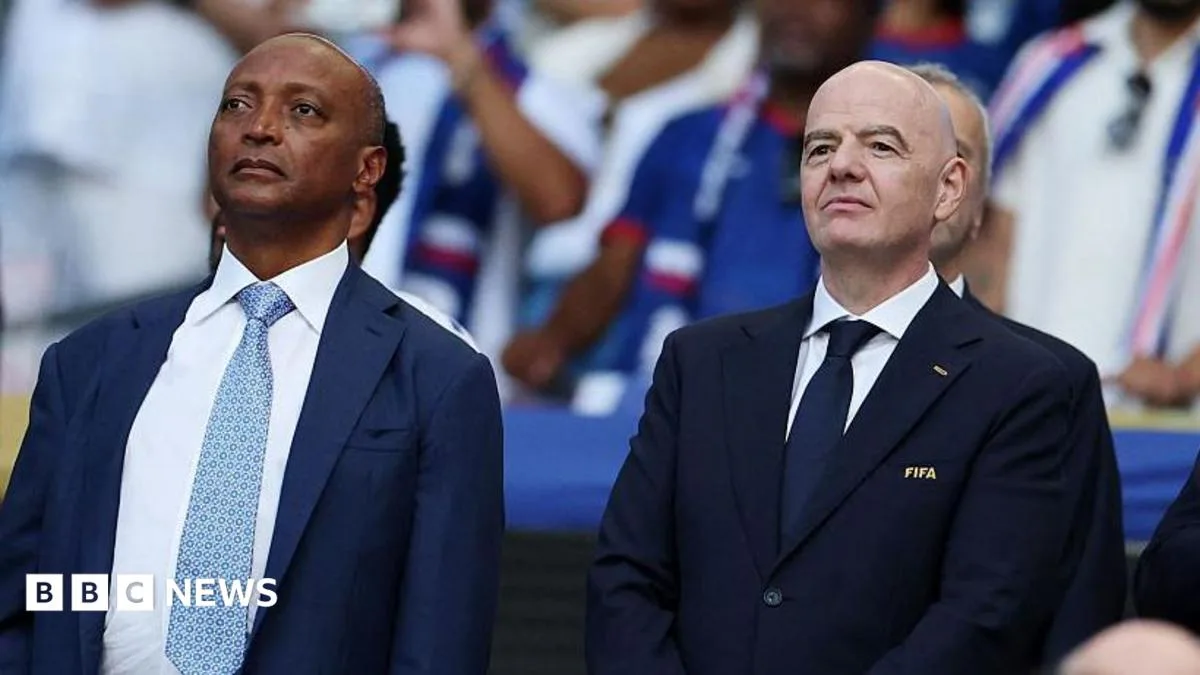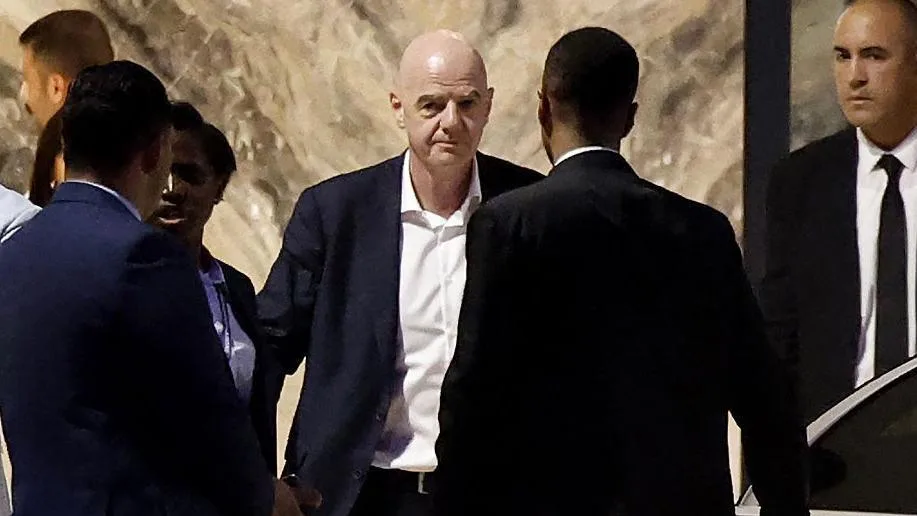
The Confederation of African Football (CAF) Executive Committee unanimously confirmed its support for FIFA President Gianni Infantino on August 6, 2026, representing 54 of FIFA's 211 member associations, a powerful voting bloc in global football governance [1, 2, 3, 4, 5].
Infantino has faced widespread criticism after proposing to sell stakes in FIFA's global competitions to private investors, a plan that was abandoned following strong opposition [6, 1, 7, 3]. Following the collapse of the FIFA Forward Enterprise proposal, African FIFA Council members Fouzi Lekjaa (Morocco), Hany Abo Rida (Egypt), Hamidou Djibrilla (Niger), and Ahmed Yahya (Mauritania) publicly backed Infantino [6, 1, 2, 5]. Moroccan Football Federation president Lekjaa called the withdrawal of the plan "wise" and said it put the unity of FIFA's member associations first [6].
CAF President Patrice Motsepe welcomed FIFA's pledge to review the processes that led to the controversy and emphasized the importance of good governance and transparency. He said, "CAF welcomes and endorses the Joint Update by FIFA President Gianni Infantino and Secretary General Mattias Grafstrom. We are committed to continue working together with FIFA and all stakeholders to safeguard governance, due process, and transparency global best practices and contribute to football's development worldwide" [1, 2, 5].
While CAF united behind Infantino, UEFA and CONCACAF maintain opposition. UEFA repeated its threat to boycott future FIFA competitions unless reforms are guaranteed, saying, "Assurances have to be made that such attempts to disfigure the game in this way will never be made again. These conditions have not been met" [1, 8, 3, 5]. Several European national associations including England, Wales, Albania, and Croatia have withdrawn support for Infantino [8, 3]. Norwegian Football Association president Lise Klaveness called for Infantino's resignation and an ethics committee review of FIFA governance controversies, stating, "In the current environment, he no longer enjoys the trust base required to lead FIFA effectively" [9].
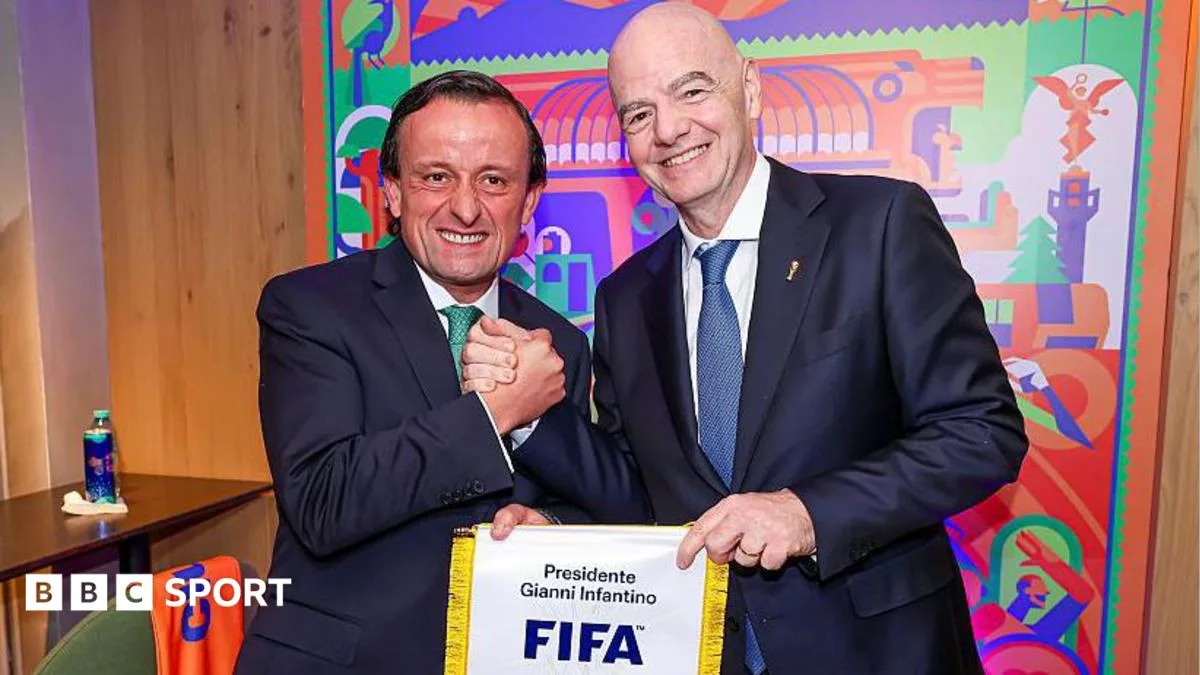
Mexico and Argentina's football associations publicly supported Infantino despite opposition from their regional bodies CONCACAF and UEFA. The Mexican Football Federation said it "joins the call made by President Infantino to collectively continue developing football for the benefit of the 211 member associations" and vowed not to recognize any process outside FIFA's institutional framework [7, 10, 11, 12]. Argentina praised Infantino's "acceptance of errors made and apology to FIFA member associations," emphasizing his efforts to promote football development worldwide [7].
South America's governing body CONMEBOL rejected attempts to remove Infantino without a full vote of all 211 FIFA members but expressed concerns about repeated unilateral actions by FIFA leadership [7, 8, 10, 11, 3, 12].
Despite criticism in Europe and North America, Infantino continues to enjoy strong support among smaller and developing football associations, especially in Africa and Asia, bolstered by FIFA's Forward program that channels development funds to those regions [6, 3]. Morocco, a key supporter that hosts FIFA's Africa regional office and will co-host the 2030 World Cup, has backed Infantino's leadership [6].
Infantino, who has served as FIFA president since 2016, is seeking re-election in March 2027 for a potential fourth term [1, 10, 3, 9]. The upcoming election will test whether he can maintain backing among FIFA's diverse membership amid ongoing divisions.
Key dates include the CAF endorsement on August 6 and public support announcements from Mexico and Argentina on August 7, while UEFA continues to press for reforms and threatens boycotts if demands are unmet [1, 8, 10, 3, 5, 12].