Joachim Klement, a German economist known for his statistical World Cup forecast model, predicts that the Netherlands will win the 2026 World Cup, held across the United States, Canada, and Mexico [1, 2]. His model has correctly predicted the last three winners: Germany in 2014, France in 2018, and Argentina in 2022 [1, 2].
Klement’s forecast also expects Portugal to reach the final but lose to the Netherlands, with England advancing to the semi-finals only to be eliminated by Portugal, mirroring their 2006 World Cup encounter [1, 2]. The model predicts an upset second-round win for Japan over Brazil and Scotland failing to advance beyond the group stage [1, 2].
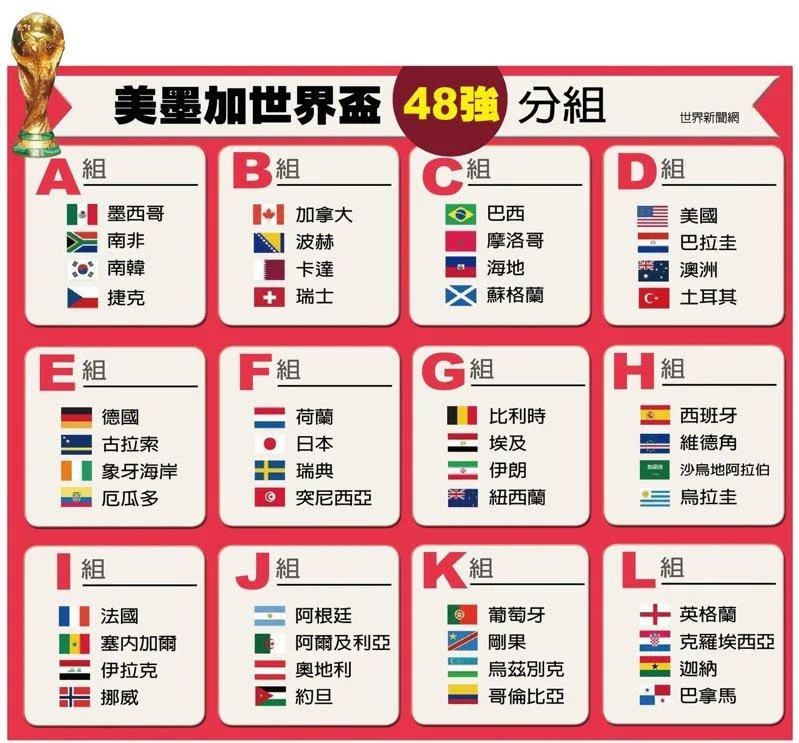
The tournament will feature 48 teams, expanding from previous World Cups [1, 2]. Despite the statistical model’s accuracy, Klement emphasizes the heavy influence of chance on match outcomes, estimating that 50% depends on luck and unpredictable factors such as referee decisions or a ball hitting the post [1, 2]. He commented (in Chinese), "另外50%其實是運氣。尤其當高水準球隊彼此實力接近時,比賽結果可能取決於當天狀態、裁判判決,甚至是球打中門柱還是彈進球門。"
Klement originally created his model to critique economists' overconfidence in forecasting, but it has since gained a reputation that some now view him as a 'guru' for his accurate predictions [1, 2]. He said, "This started as an exercise in showing the world a hubris of economists who think they can forecast stuff that they actually have no clue about. And now it's become an exercise in how, if you're lucky often enough, people will think you're a guru" [1].
Pressure has increased as colleagues reportedly bet on the Netherlands based on his latest forecast [2]. Klement joked (in Chinese), "如果荷蘭提前出局,我想隔天我可能只能在家工作了。"
The 2026 World Cup will take place in June and July across the three North American host countries.