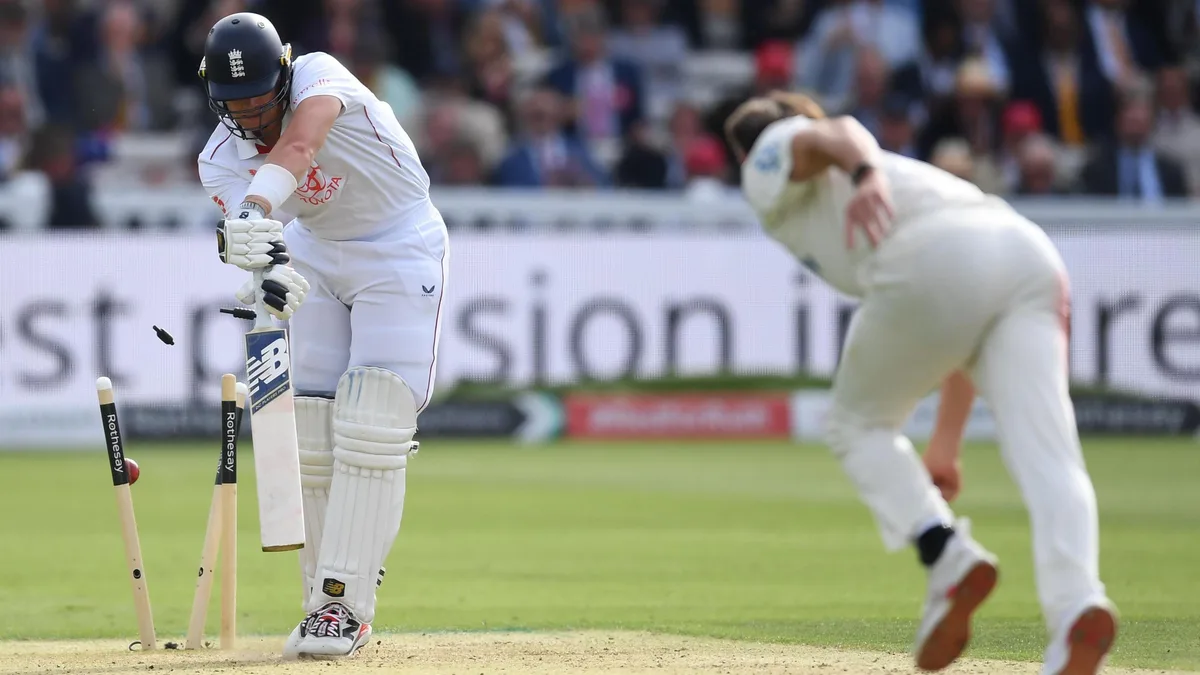
England won the first Test against New Zealand at Lord's by 115 runs, taking a 1-0 lead in the three-match series. The match ended inside four days after weather disruptions limited play on the third day to fewer than 10 overs [1, 2, 3, 4].
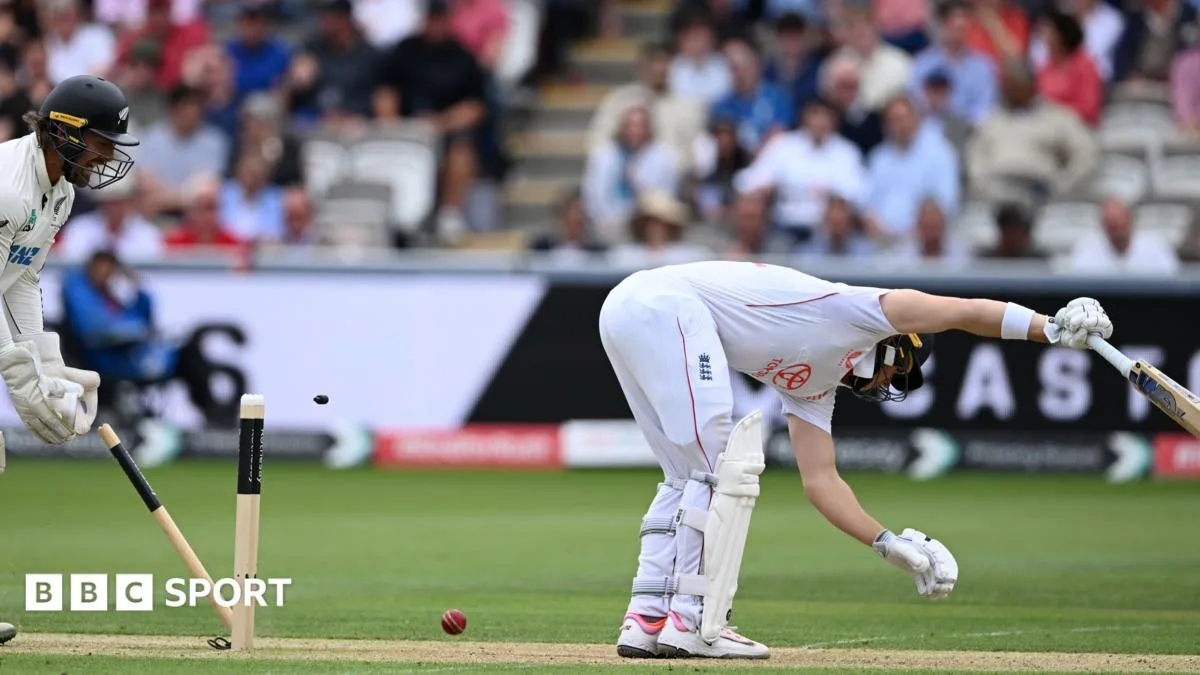
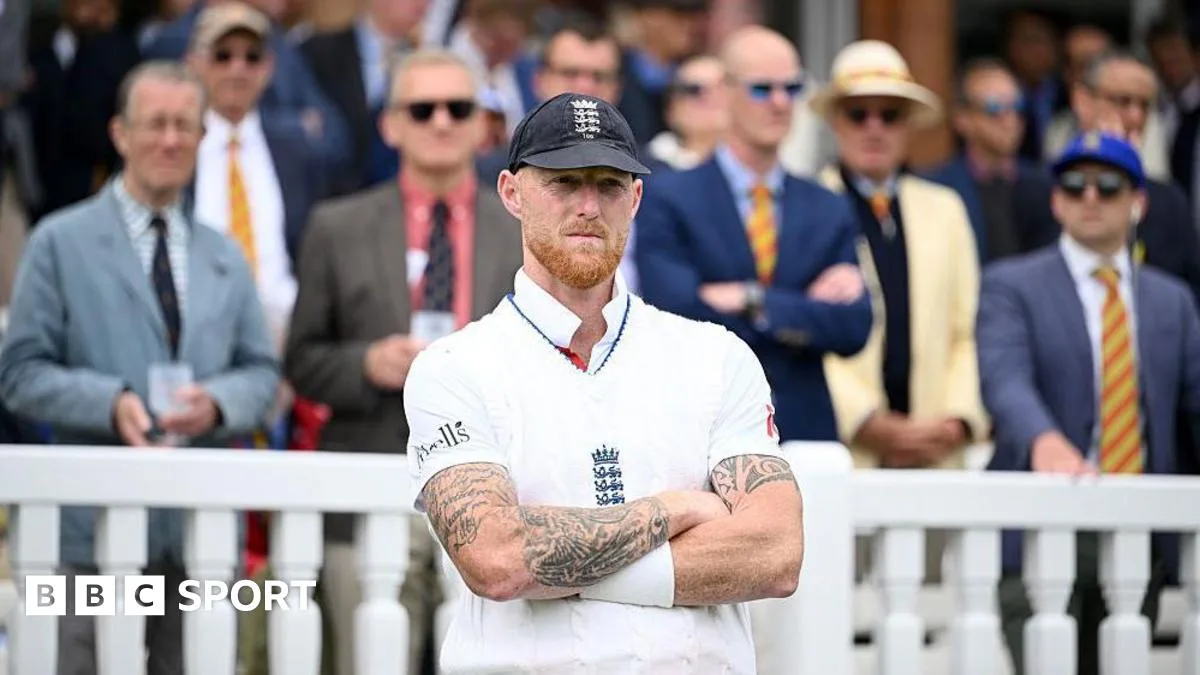
The pitch at Lord's produced highly challenging batting conditions throughout. Variable bounce and significant lateral movement troubled batters, leading to all 40 wickets falling to seam bowlers without any spin bowling used by either side—a first in England since 1988 [1, 5, 3, 6]. The Marylebone Cricket Club, custodian of Lord's, admitted the pitch showed more variable bounce than expected and fell short of standards [5, 6]. Former England captain Michael Vaughan said he felt "sorry for the batters" and that the pitch was "not a fair balance between bat and ball" [5]. England captain Ben Stokes echoed concerns, stating, "From someone who loves Test cricket, is that something that will benefit Test cricket? I don't think so." [6]
The match saw a remarkable 33 wickets fall in the first two days alone, with 16 wickets falling on the rain-shortened opening day and 17 on the second day. New Zealand ended day two at 36-3 chasing a target of 254 runs set by England [1, 7, 5].
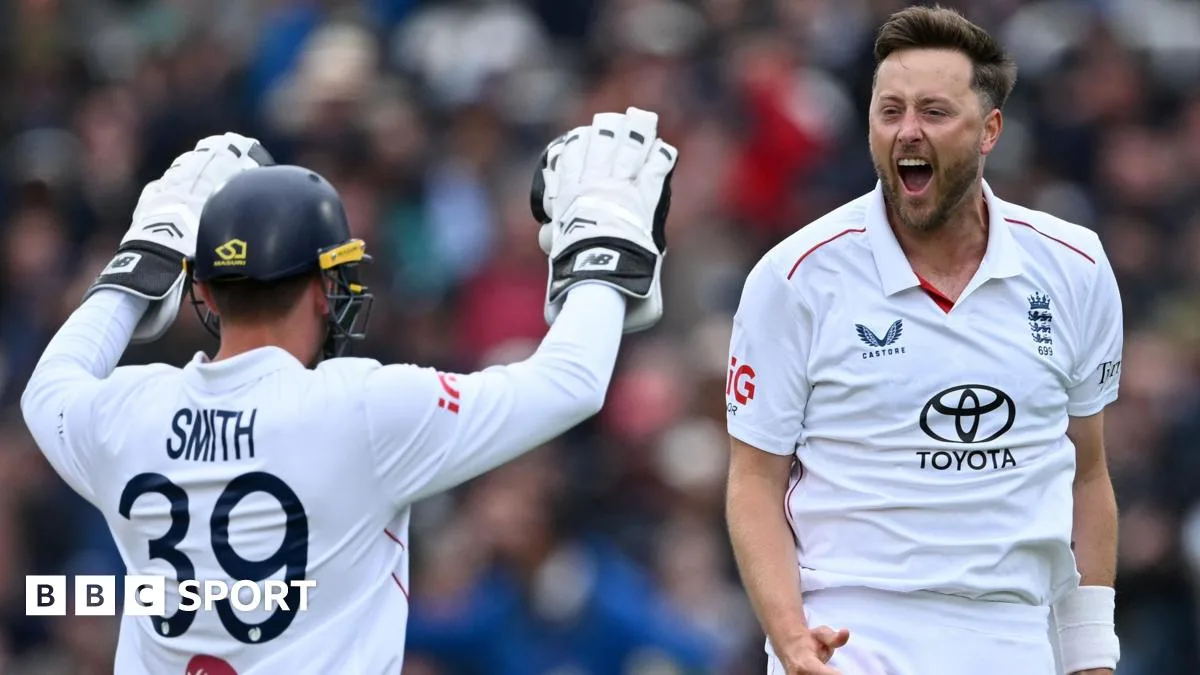
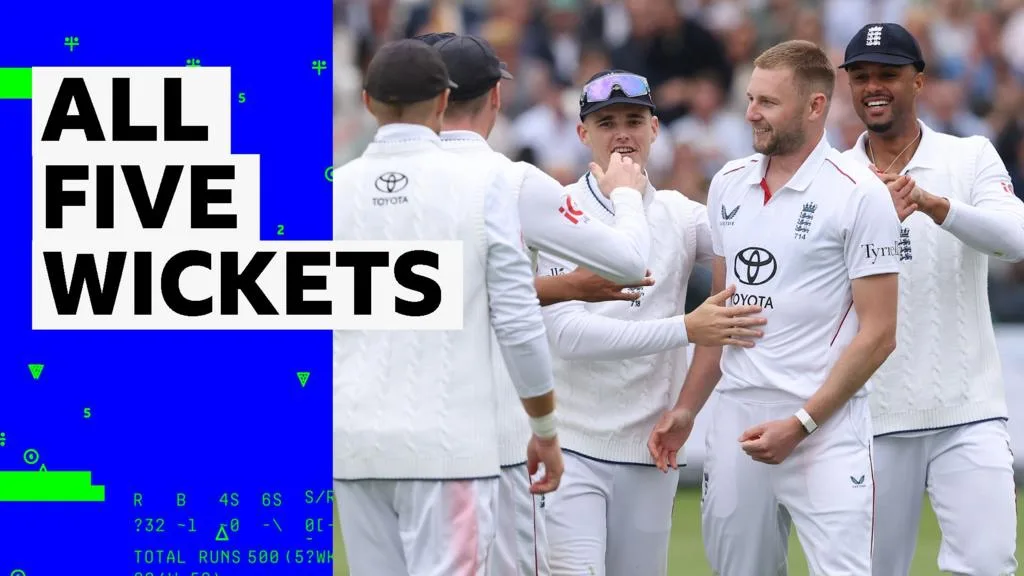
England bowlers dominated. Ollie Robinson took 5-39 in New Zealand's first innings while Gus Atkinson claimed 5-30 in the second innings to help bowl New Zealand out for 138 [1, 3, 8, 4, 9]. New Zealand struggled to handle the seam movement, falling well short of the target.
Despite the difficult conditions, some England players made notable batting contributions, including debutant Emilio Gay [1, 9]. The Test marked a fresh start for England’s rebuilding phase after their 4-1 Ashes series loss in Australia [3, 9].
Rain on day three severely curtailed play but did not prevent England from clinching victory early on day four. Without the weather interruptions, the match likely would have finished inside two days [2, 10, 6]. MCC Chief Executive Rob Lawson said, "We recognise that the pitch for this Test has shown more variable bounce than we would have wanted." [6]
The second Test in the series is scheduled to begin later, offering both teams a chance to adjust to conditions and respond on the field.