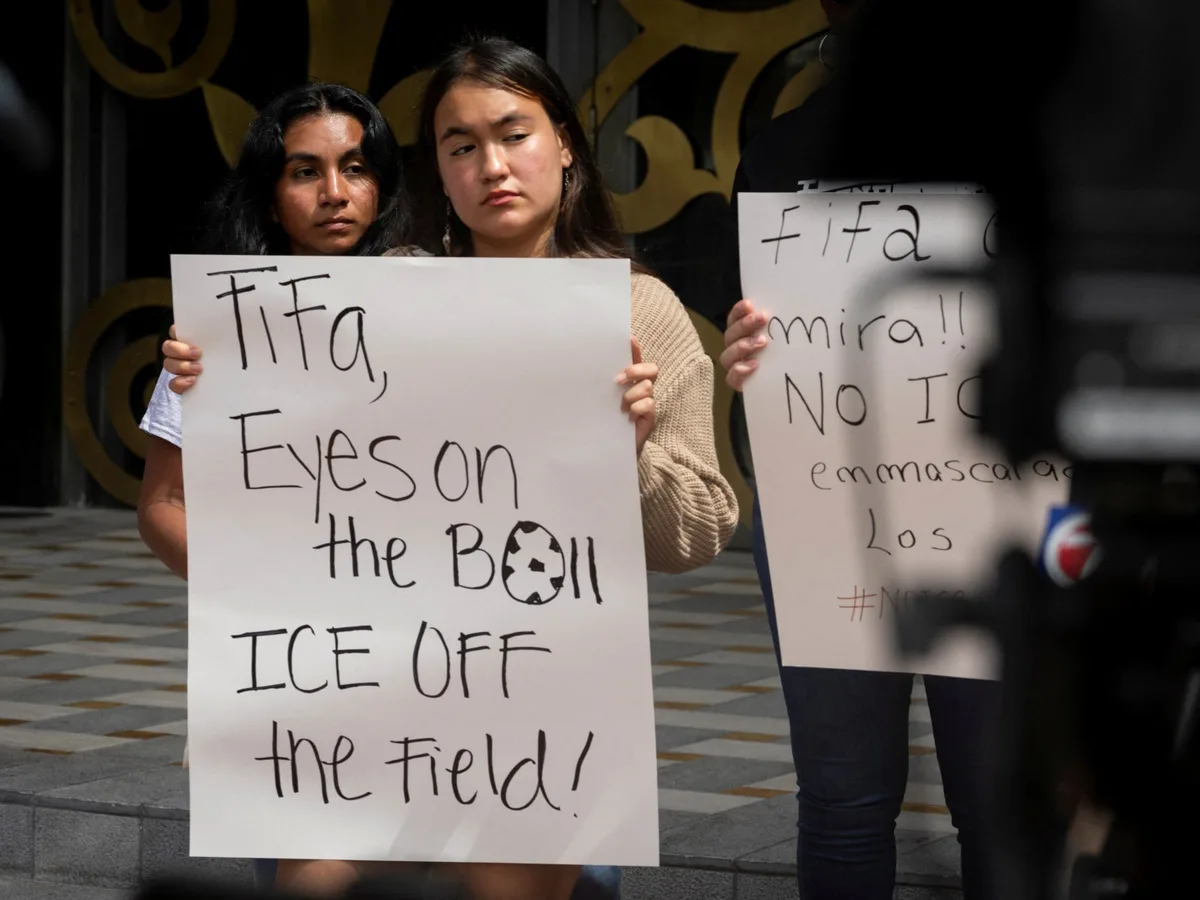
Haiti is appearing at the World Cup for the first time since 1974 in the 2026 tournament hosted by the US, Mexico, and Canada [1, 2]. The Haitian national team’s group-stage matches in the US will take place in Massachusetts, Pennsylvania, and Georgia, including the opening game on June 14 against Scotland at Gillette Stadium in Massachusetts [2].
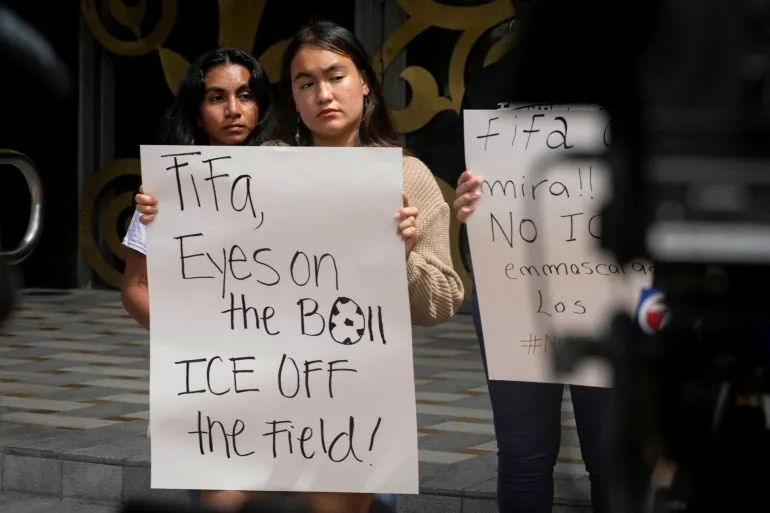
Massachusetts alone is home to about 87,000 people of Haitian descent, forming a large diaspora community in the US [2]. But many Haitian immigrants are reluctant to attend or travel to those matches due to fears of enforcement by Immigration and Customs Enforcement (ICE), particularly under the administration of former President Donald Trump [1, 2].
Emile, a Haitian truck driver based in Ohio, said he wrestles with the desire to see Haiti play on the world stage but fears arrest by ICE at events or airports. “Singing my country’s national anthem in a stadium in front of the whole world is a historic moment that no one would want to miss, but at the same time, I think twice. I don’t want to be arrested by ICE,” he said [2]. Emile added his lawyer advised him not to fly so he would avoid being caught at the airport [2].
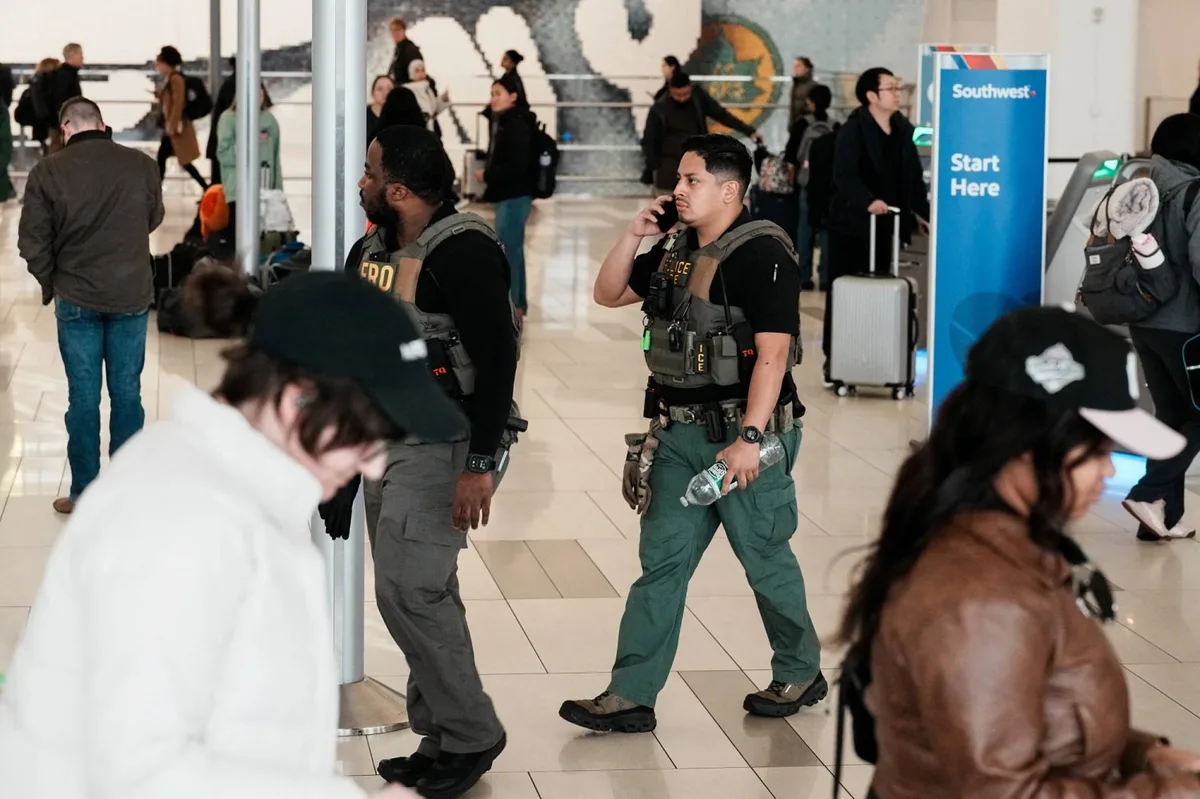
Sources within the immigrant community report widespread anxiety about ICE’s use of heavily armed and aggressive tactics targeting undocumented immigrants and even residents with protective legal status [2]. Monica Sarmiento of the Virginia Coalition for Immigrant Rights said that 70% of people arrested, detained, and deported by ICE have no criminal record and many have lived and paid taxes in the US for decades. “We have seen very aggressive tactics [from ICE] that have gone after not only undocumented communities but also people with protective status,” she said [2].
The immigrant community’s mistrust of ICE enforcement has intensified following recent incidents, including an outrage sparked by ICE officers fatally shooting two American demonstrators in Minneapolis, Minnesota [2].
Haiti’s first group match is scheduled for June 14 at Gillette Stadium in Massachusetts, marking a historic moment for the nation and its diaspora amid uncertain attendance from Haitian immigrants concerned about immigration enforcement [2].