FIFA announced plans to create a $20 billion commercial subsidiary named FIFA Forward Enterprise (FFE) to manage the World Cup and other football events, offering up to 20% minority stakes to private investors to raise $4.2 billion [1, 2, 3, 4, 5, 6]. The move aims to increase funding to member associations from about $2.7 billion to $10 billion annually, starting January 1, 2027 [1, 2, 4].
Member associations are being offered initial payments of roughly $40 million if they accept the plan by the September 19, 2026 deadline, with additional funds promised thereafter [2, 5, 7, 8]. The proposal requires approval from FIFA’s 211 member associations, though it remains unclear whether a simple majority or a 75% supermajority is needed [5].
The plan has drawn sharp criticism. UEFA condemned it as "a crossing of the line," stating, "This crosses a line that football's governing institutions should never cross" and insisting that the World Cup "is not FIFA’s to sell" [1, 3, 9, 5, 6]. Concacaf stressed the need for "good governance, robust processes and long-term stewardship" and voiced concerns over FIFA’s lack of transparency [4].
Asian Football Confederation (AFC) President Sheikh Salman bin Ebrahim Al-Khalifa called FIFA’s failure to consult the confederation "totally unacceptable," expressing disappointment that Asian officials were not involved before the announcement [8].
Professional Footballers Australia (PFA) and FIFPRO criticized the plan for excluding players and fans, warning the deal would irreversibly reshape football’s incentives. PFA said, "These tournaments should not be for sale" [2, 7]. Football Australia requested more time and dialogue before making a commitment, stating, "We will only be able to form a position after receiving this information and engaging in further dialogue with our peer member associations and our confederation" [10].
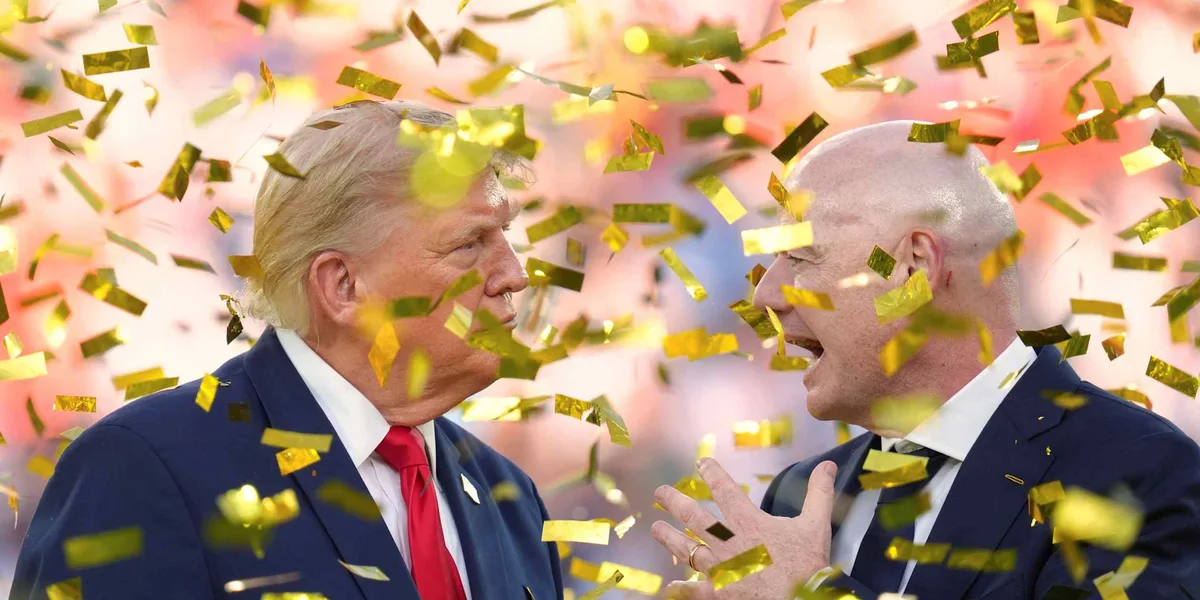
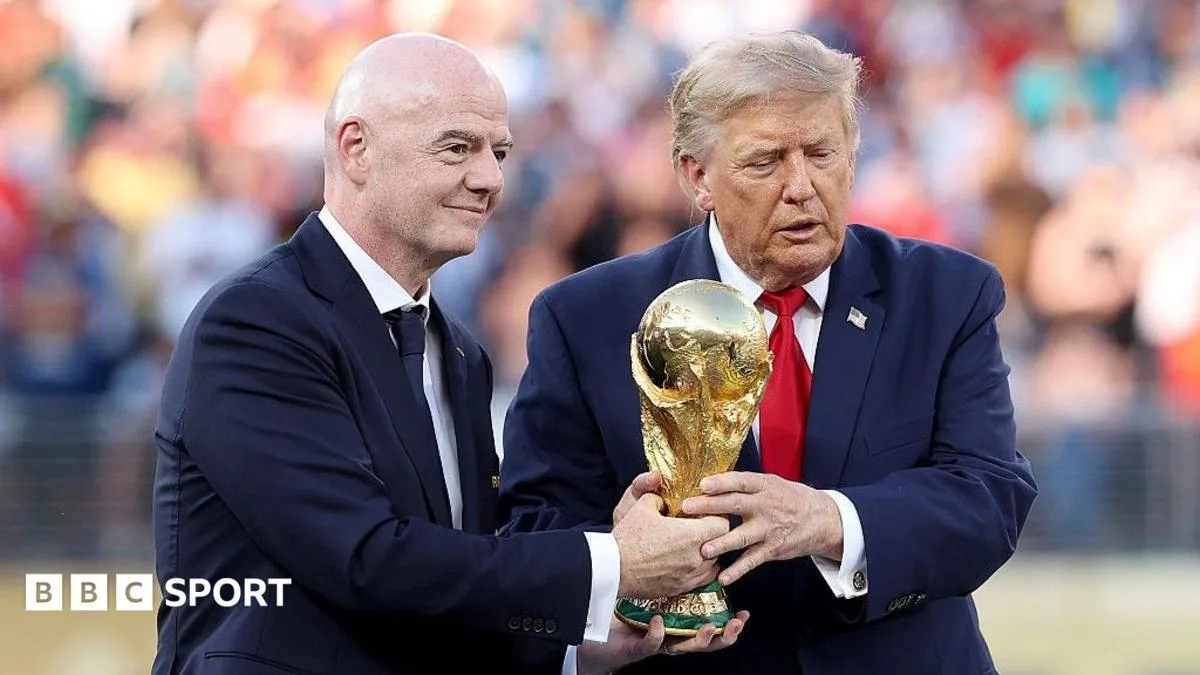
The deal reportedly involves investors such as Thrive Capital, led by Joshua Kushner, and a JP Morgan Chase affiliate [3, 4, 11]. Reports suggest FIFA President Gianni Infantino could become commissioner of FFE after his term ends, though FIFA denies any personal profit arrangements have been discussed [3].
Member associations remain divided. UEFA and most European bodies oppose the plan, with concerns about governance and independence, while some Asian associations show pragmatic approaches, and Czechia became the first European nation to support it [12, 5].
The expedited timeline and September 19 deadline have drawn criticism for being rushed and lacking transparency [2, 5, 8]. FIFA members must decide whether to accept the initial $40 million payments and endorse the private investment by that date for the plan to proceed.
If approved, the plan would begin funding increases and commercial operations via FFE starting January 1, 2027 [2].