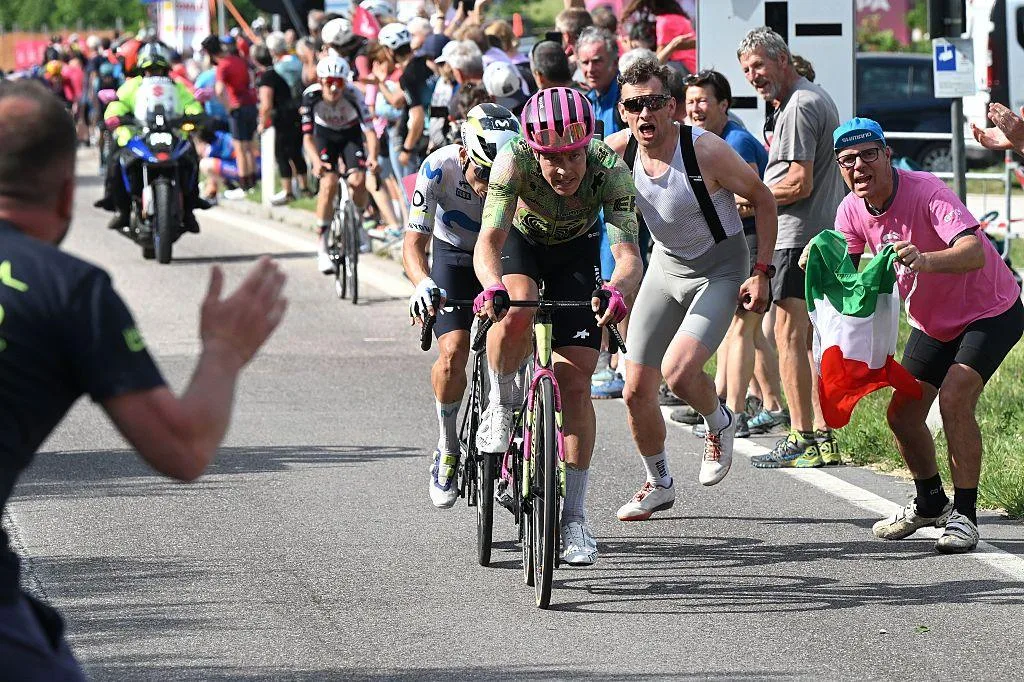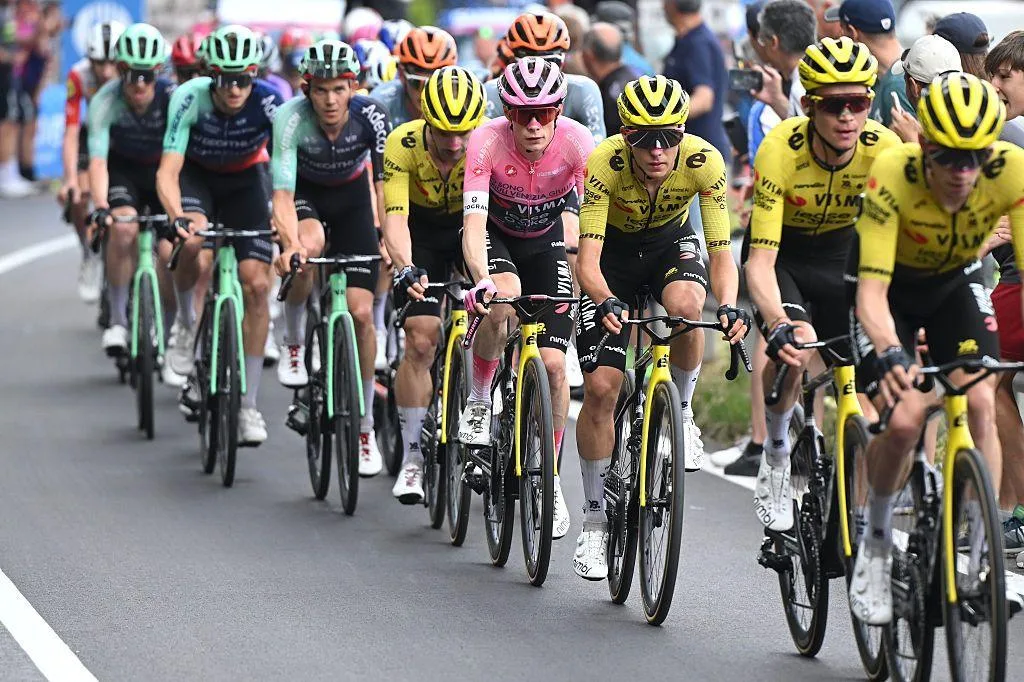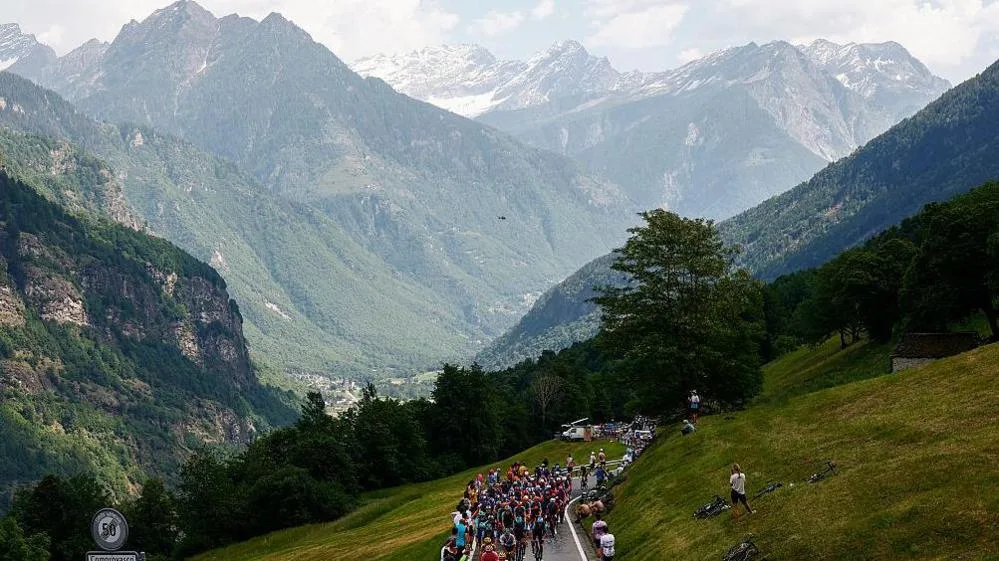
Jonas Vingegaard won stage 16 of the Giro d’Italia on May 25 with a solo attack climbing to Carì in the Swiss Alps, extending his overall lead in the pink jersey to 4 minutes and 3 seconds over his rivals [1, 2]. He crossed the finish line 1 minute 9 seconds ahead of Austria’s Felix Gall, who moved into second place overall, while Australia’s Jai Hindley finished third on the stage [1, 2]. After stage 16, the top three overall standings were Vingegaard first, Gall second, and Thymen Arensman third [1, 3, 2, 4].
Vingegaard praised his team’s motivation to win the race in the pink jersey, saying, “My team-mates are very motivated for it. We wanted to win in the pink jersey, but it can also go wrong so we chose the first option to do it” [1]. He added that they planned to seize the opportunity early in the race rather than wait: “We wanted to try to win in the pink jersey and obviously it can also go wrong, so we chose the first option to do it because if we failed then we would have another one as well” [2].
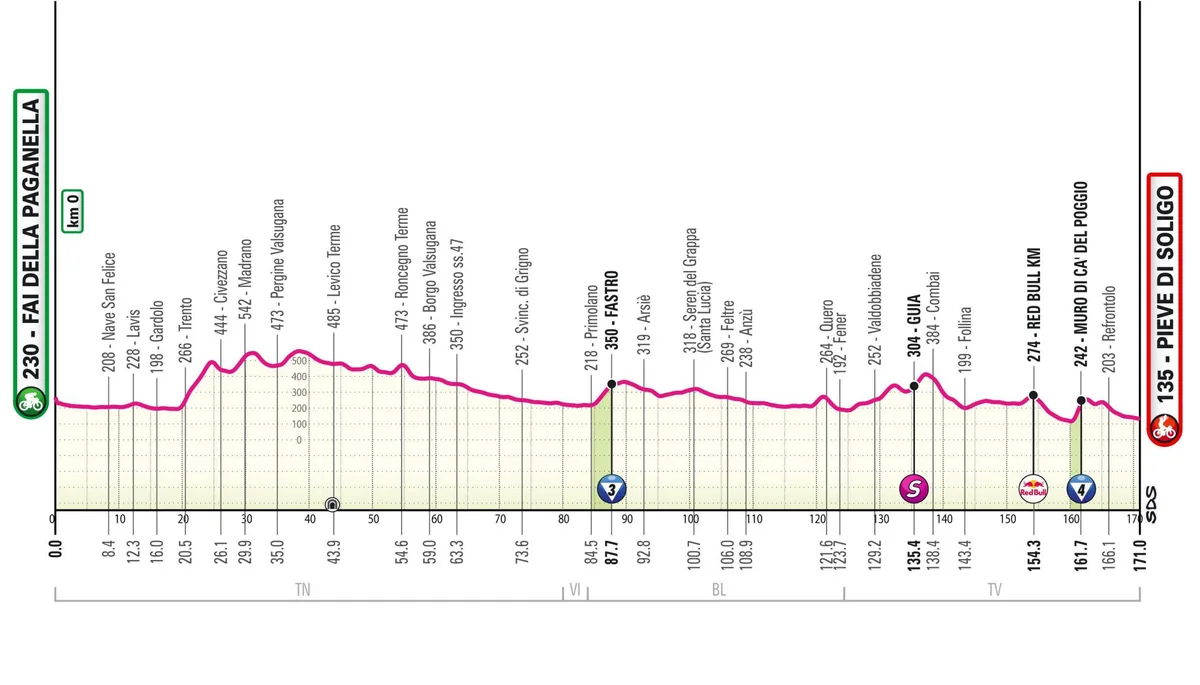
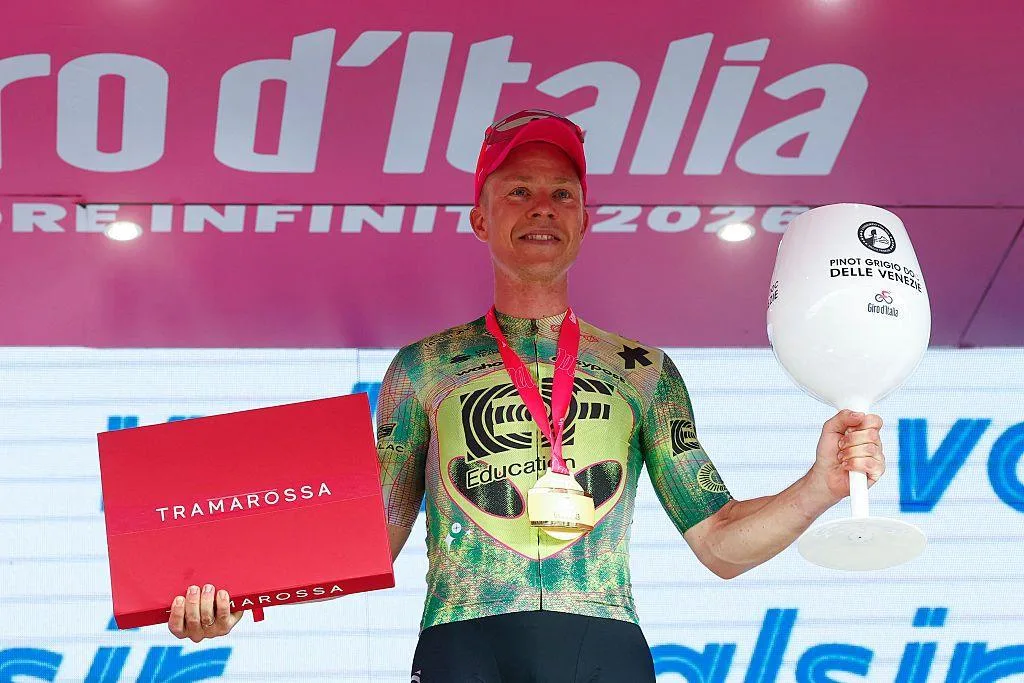
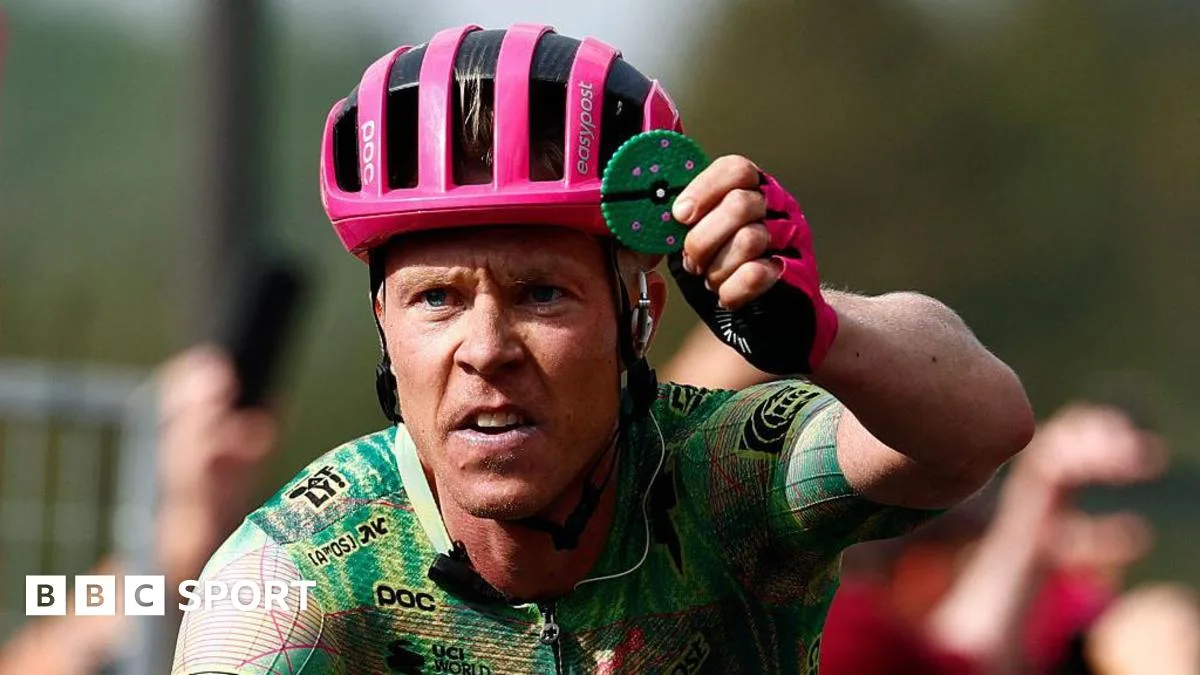
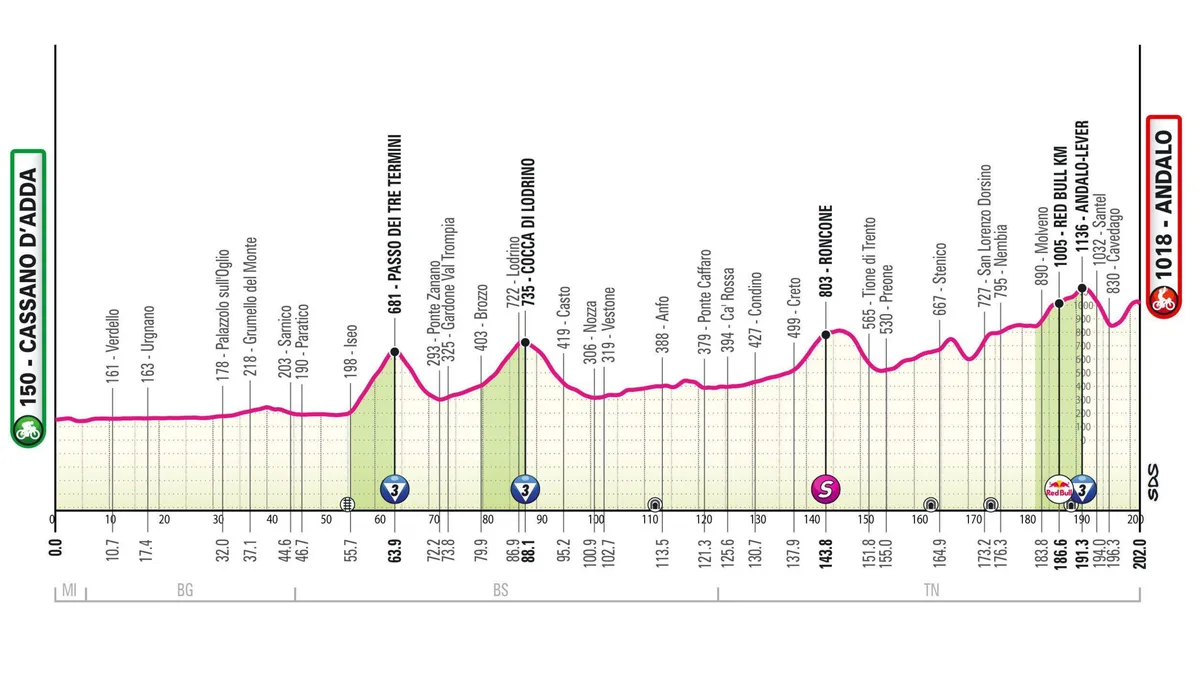
On May 26, Michael Valgren secured a surprise victory in stage 17, a 202 km race finishing in Andalo [3, 4]. Valgren launched a late attack in the final kilometer to finish ahead of Norway’s Andreas Leknessund and Italy’s Damiano Caruso [3, 4]. Valgren dedicated the win to his son, noting a green model his son built for him as a lucky charm: “Last year I had high hopes for a good result in this year's competition so my son built me a Pokemon in team colours. It is my lucky charm” [3].
Vingegaard retained the overall pink jersey after stage 17 with the same 4 minutes 3 seconds lead over Felix Gall, while Thymen Arensman remained in third place [3, 4]. The final stages of the Giro d’Italia continue through mountainous terrain in the Italian and Swiss Alps with tough climbs, high temperatures, and sudden weather changes affecting the riders [1, 3, 2, 4].
The 2026 Giro d’Italia is scheduled to conclude in Rome on Sunday, May 30 [2].