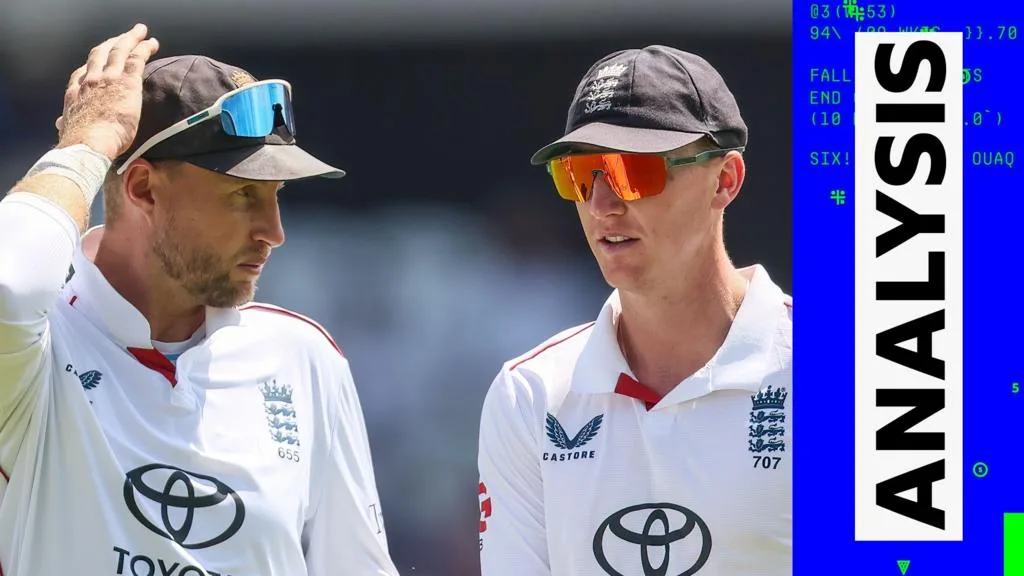
New Zealand batted first in the second Test at The Oval, reaching 391 all out. Glenn Phillips scored his maiden Test century with 100 runs, supported by Tom Blundell who made 51 [1, 2]. England fielded a significantly changed side, introducing three debutants: Jordan Cox, Sonny Baker, and James Rew. Their regular captain Ben Stokes was unavailable due to off-field issues, with Joe Root stepping in as stand-in captain [1, 3, 2, 4].
Jacob Bethell impressed for England on day one, taking three wickets for 26 runs, including two late dismissals, to help limit New Zealand's scoring [5, 3]. By the close of day one, New Zealand stood at 291 for 7 [5, 3].
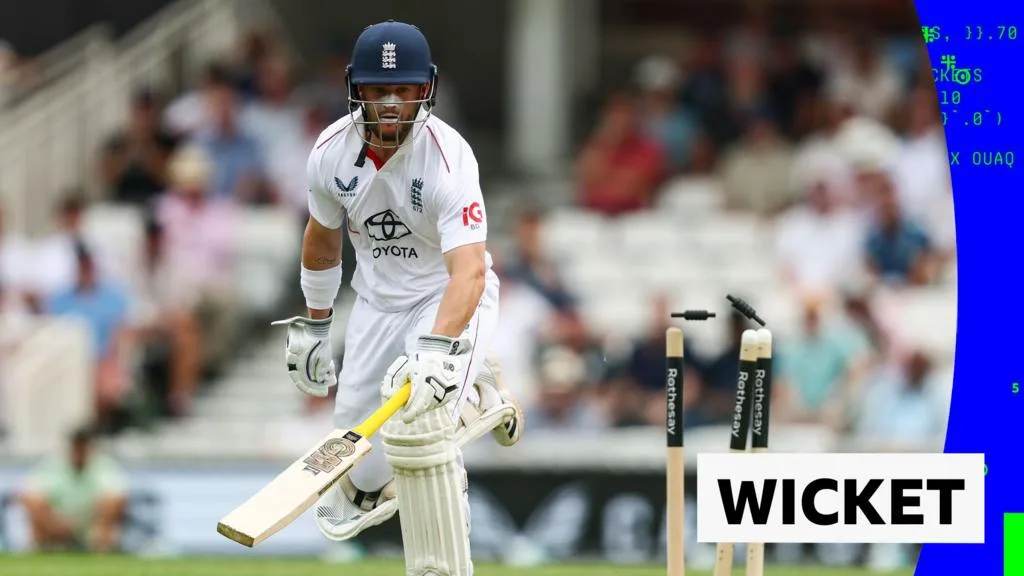
On day two, New Zealand extended their innings to 391 all out. England struggled early in their reply losing Ben Duckett to a run out for 36 runs and experienced fielding lapses, including Duckett dropping a catch off Kyle Jamieson when he was on 15 [6, 1, 2]. England ended the day at 222 for 6, trailing New Zealand by 169 runs after losing several wickets partly due to poor decisions [1, 7, 2].
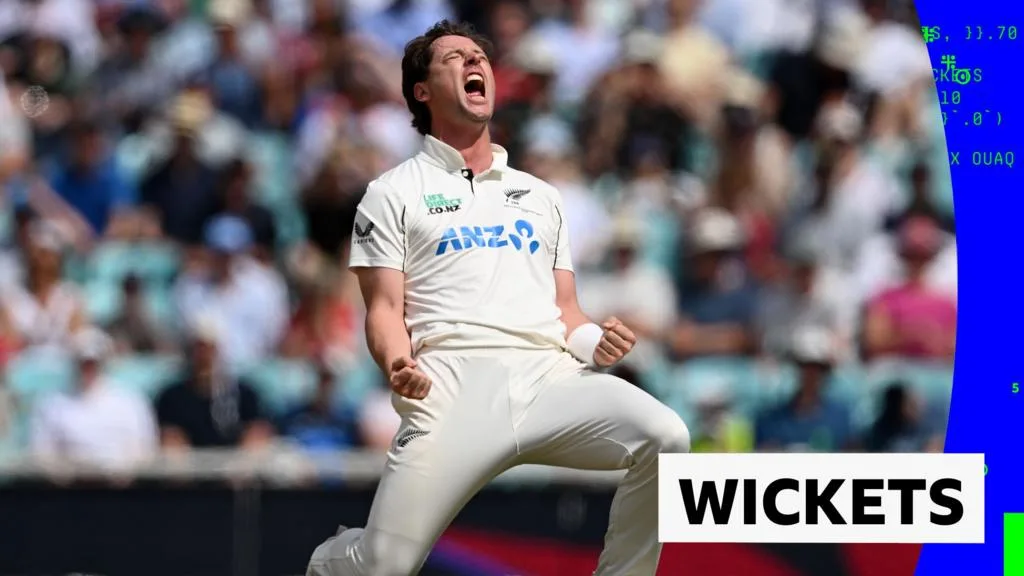
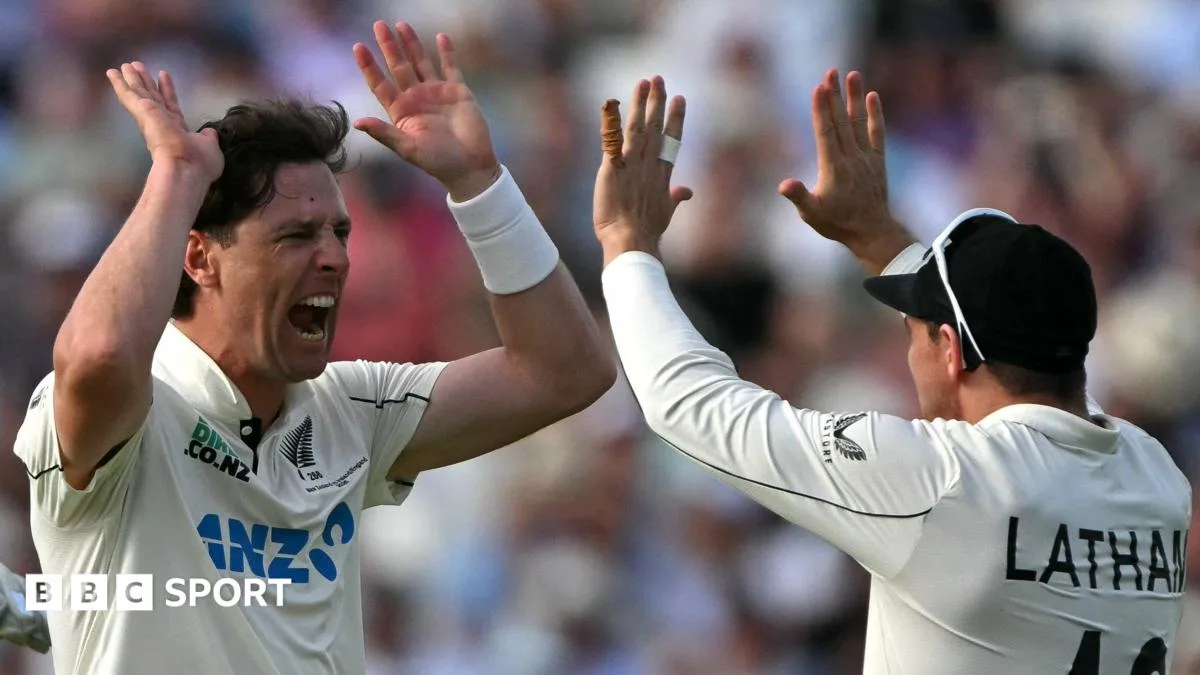
Jofra Archer and New Zealand’s Matt Henry made important bowling contributions. Henry took key wickets including those of Joe Root and Harry Brook leg before wicket to stall England's innings [1, 8, 2].
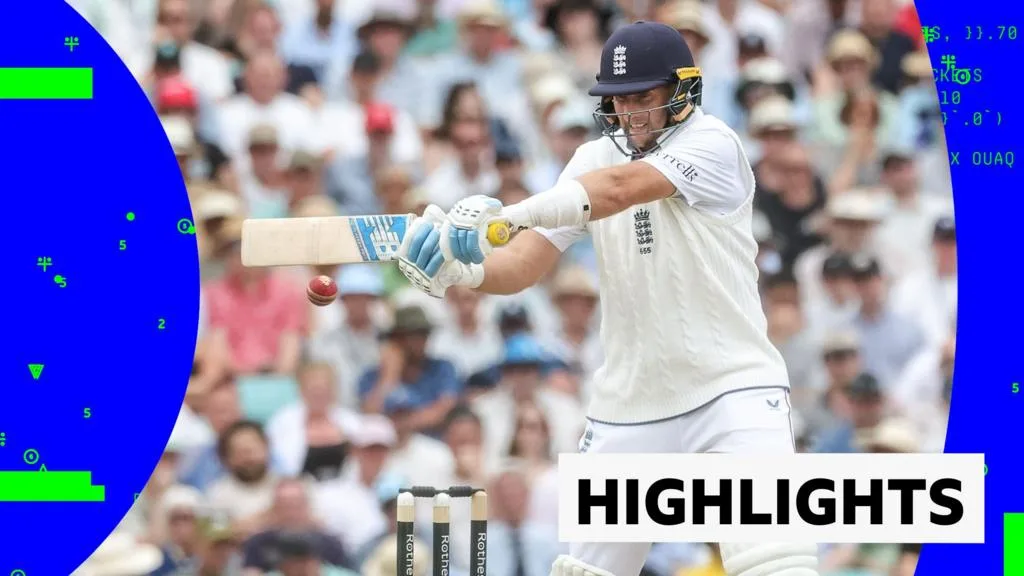
Joe Root mounted a defiant fight late in the match, scoring an unbeaten 75 runs and surpassing 14,000 Test career runs, a rare milestone [9, 4]. Despite his resilience, England face chasing a world record target of 463 runs to win [9, 4].
Cricket experts Alistair Cook and Michael Vaughan advised England to play for a draw rather than attempt the near impossible chase. They said, "England have to play for the draw in the remaining two days of the second Test, and not be tempted to try and chase a big target" [10].
On day five, Root and Archer were dismissed in the same over as New Zealand moved closer to victory [8]. The match remains poised as England seek to avoid defeat under Joe Root’s captaincy in Stokes’ absence.