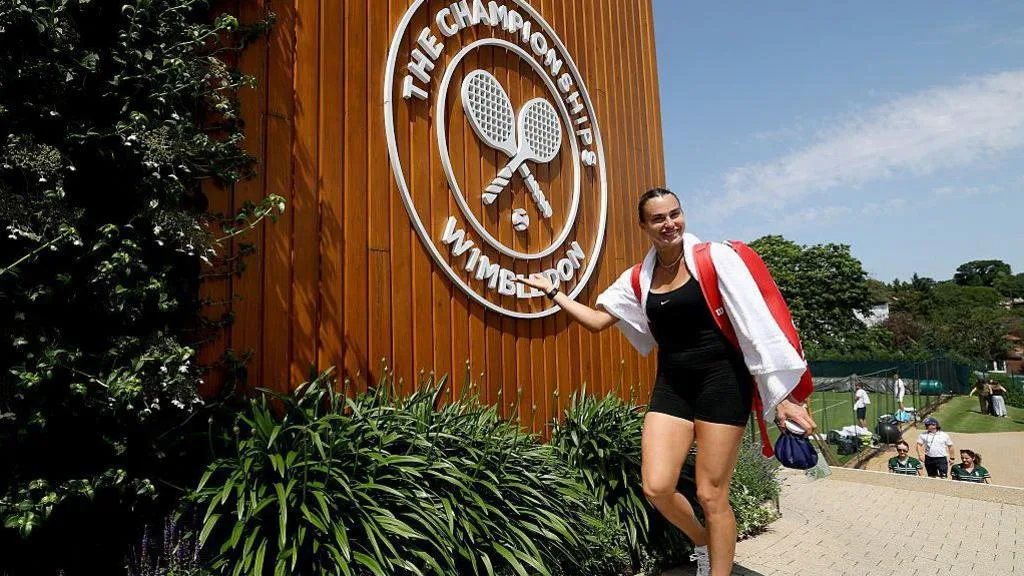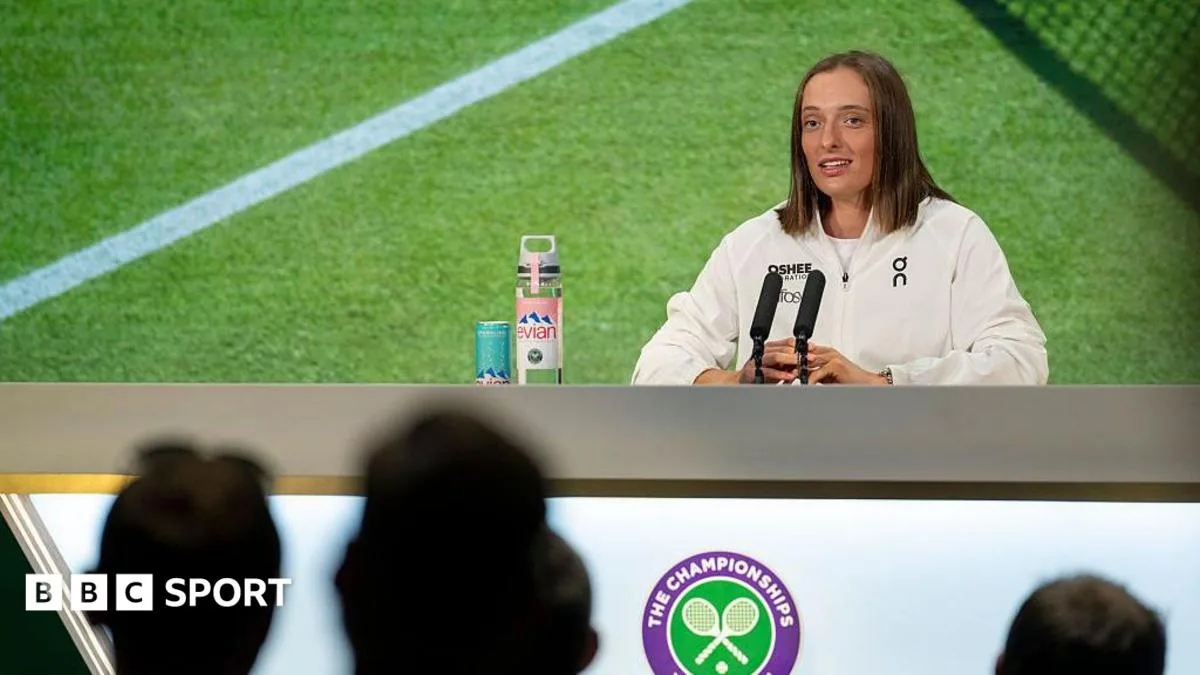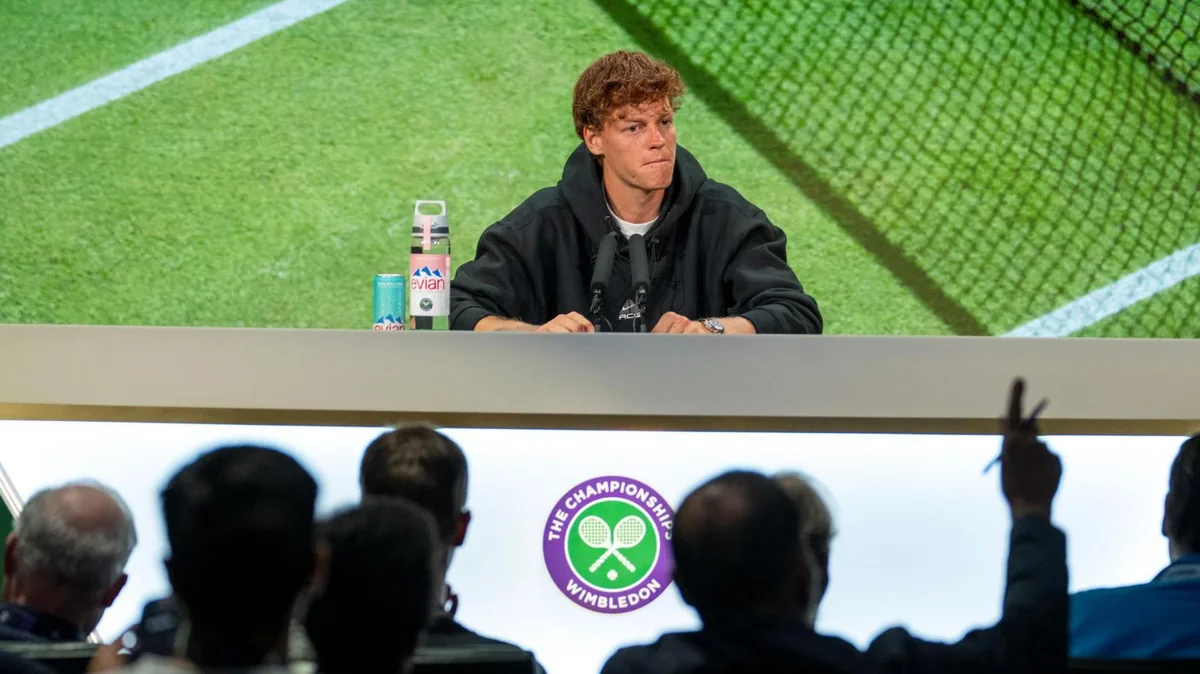
Leading tennis players have pledged to limit their media commitments to just 15 minutes daily throughout the first week of Wimbledon, starting June 29, as part of a protest over prize money levels at the tournament [1, 2, 3]. The move is symbolic of their broader demand for prize money to represent 16% of tournament revenue, highlighting that Wimbledon currently pays slightly below 15%, or 14.4% according to the players’ group [1, 4, 3].
Wimbledon recently announced a 20% increase in its total prize fund, raising it to £64.2 million this year [1, 4, 3]. Despite the rise, players say this still falls short of their demand for a higher revenue share; they estimate the fund is about £7 million less than the £71 million a 16% share would provide [1, 4]. The singles champions will each receive £3.6 million ($4.83 million) in prize money at the 2026 tournament [1, 5].
The protest includes some of the sport’s top stars such as Aryna Sabalenka and Jannik Sinner, who have joined the media restrictions [1, 6, 7]. Sinner described the issue as one of respect, stating, "We give much more than we are getting back. It’s not only for the top players; it’s for all of us players" [8]. Madison Keys added that many players are united on the prize money issue and that they could boycott a major tournament if their demands are ignored [8].
This media time limitation follows a preliminary protest in May at the French Open, where several players similarly restricted their pre-tournament media duties [1, 2]. The players are also pushing for contributions to player welfare funds and the creation of a player council to have a greater say in tournament governance [2, 3].
The All England Club, which runs Wimbledon, expressed surprise and disappointment at the escalation of player protests [4, 7]. Chair Deborah Jevans said linking prize money strictly to tournament revenue "makes no sense," noting that it "ignores costs and investments" made by the club. Jevans said, "Using revenue to determine prize money makes no sense and we have said that to Larry Scott. Revenue does not take into account the investment that we give. We are not-for-profit, and very different to a Masters 1000" [4]. She also called the 20% increase "a significant amount of money" and expressed hope that players would recognize it [5].
The protest media restrictions are scheduled to run from June 29 through July 5, covering the first week of Wimbledon [1, 3].