FreeBSD 15.1-RELEASE became available on September 5, bringing multiple updates across its system and user space [1, 2]. The release includes updated user-space packages and improvements to several WiFi drivers, which are now based on LinuxKPI drivers derived from the Linux 7.0 kernel source [1, 2].
One notable change in FreeBSD 15.1 is the removal of Oracle Cloud Infrastructure (OCI) support, marking a significant shift in the platform’s cloud compatibility [1]. Additionally, DTrace has been extended to work on 32-bit PowerPC and PowerPC64LE platforms, expanding its diagnostic capabilities [1].
The new release allows users to change CPU schedulers at boot using the 'kern.sched' tunable, offering more flexibility for system performance tuning [1]. NVMe driver improvements have been incorporated, alongside support for newer Intel QuickAssist Technology (QAT) 402xx accelerator cards, which aid in cryptographic and compression tasks [1].
OpenZFS file system support has been updated, enhancing storage management on FreeBSD systems [1]. The release also brings progress in supporting the C23 version of the C programming language standard, a development that should help developers leverage newer language features [1, 2].
Unicode support has been upgraded to version 17.0.0, and the Unicode Common Locale Data Repository (CLDR) has been updated to version 48, improving internationalization and locale handling [2]. Intel Linear Address Space Separation (LASS) is now supported on AMD64 architectures, reinforcing memory isolation and security [1].
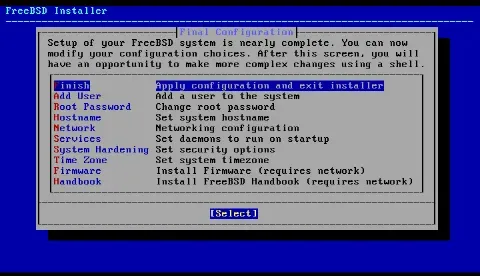
A planned improvement to the KDE desktop installation experience was postponed and will now appear in FreeBSD 15.2 [1].
FreeBSD users and developers can start using and testing version 15.1 immediately, taking advantage of these enhancements and updates [1, 2].