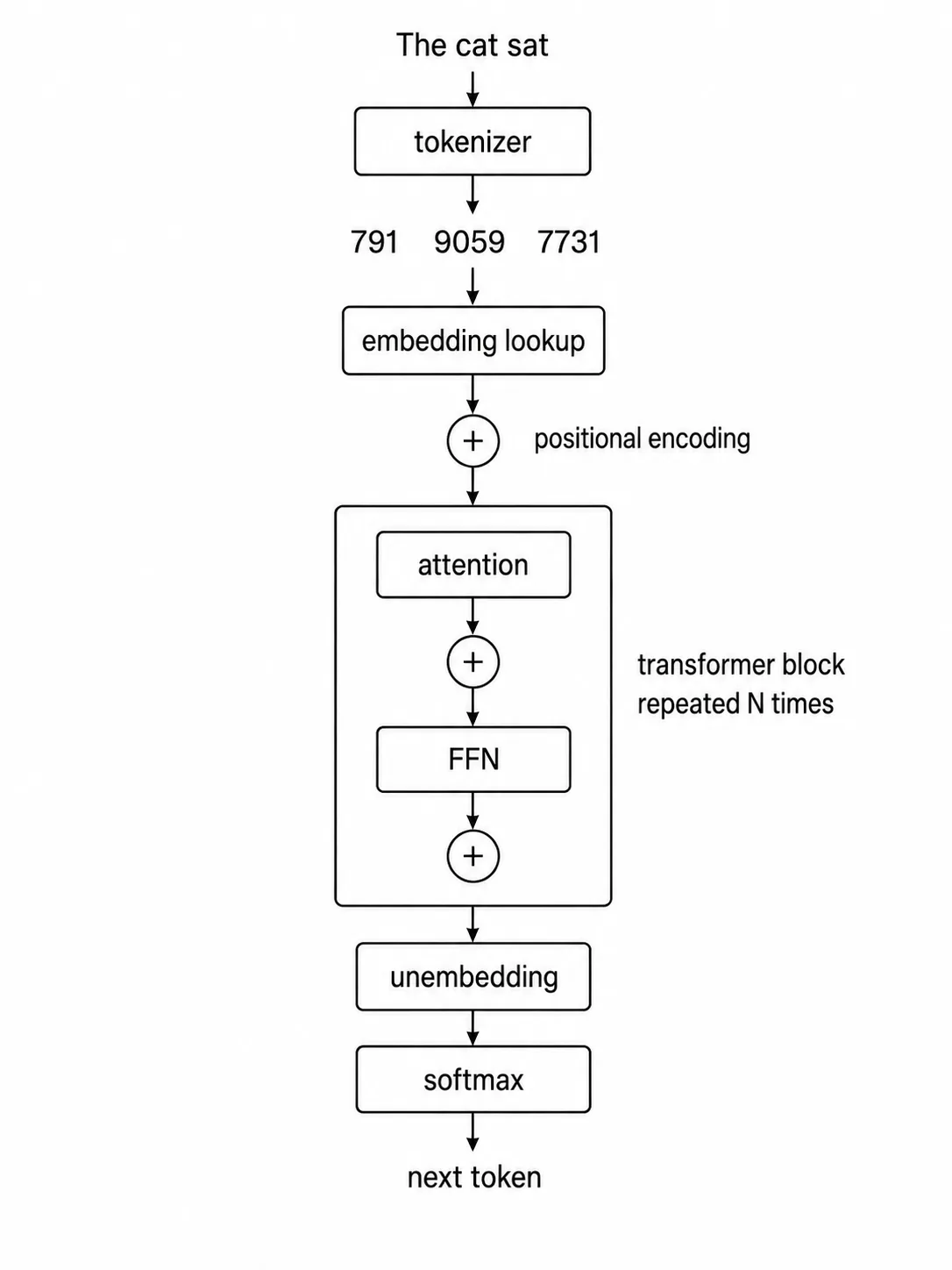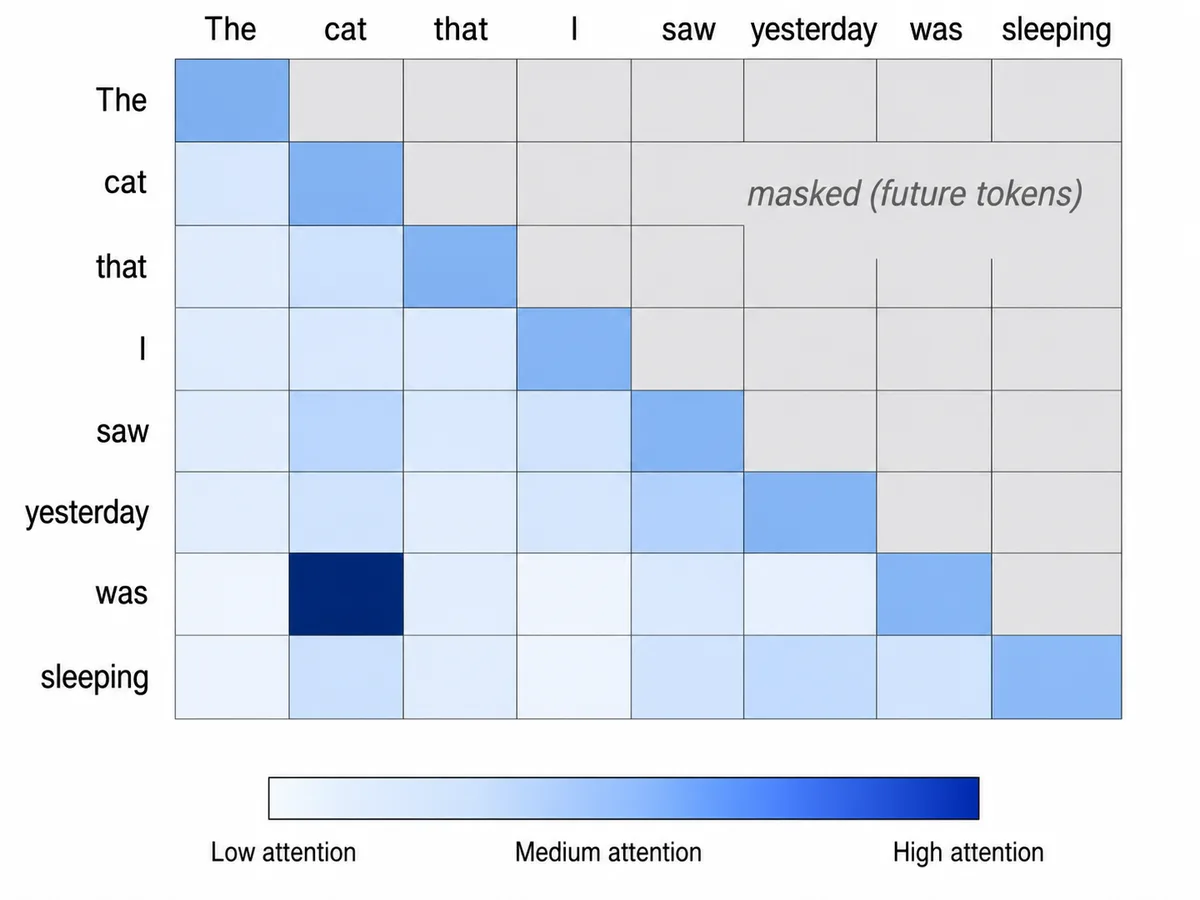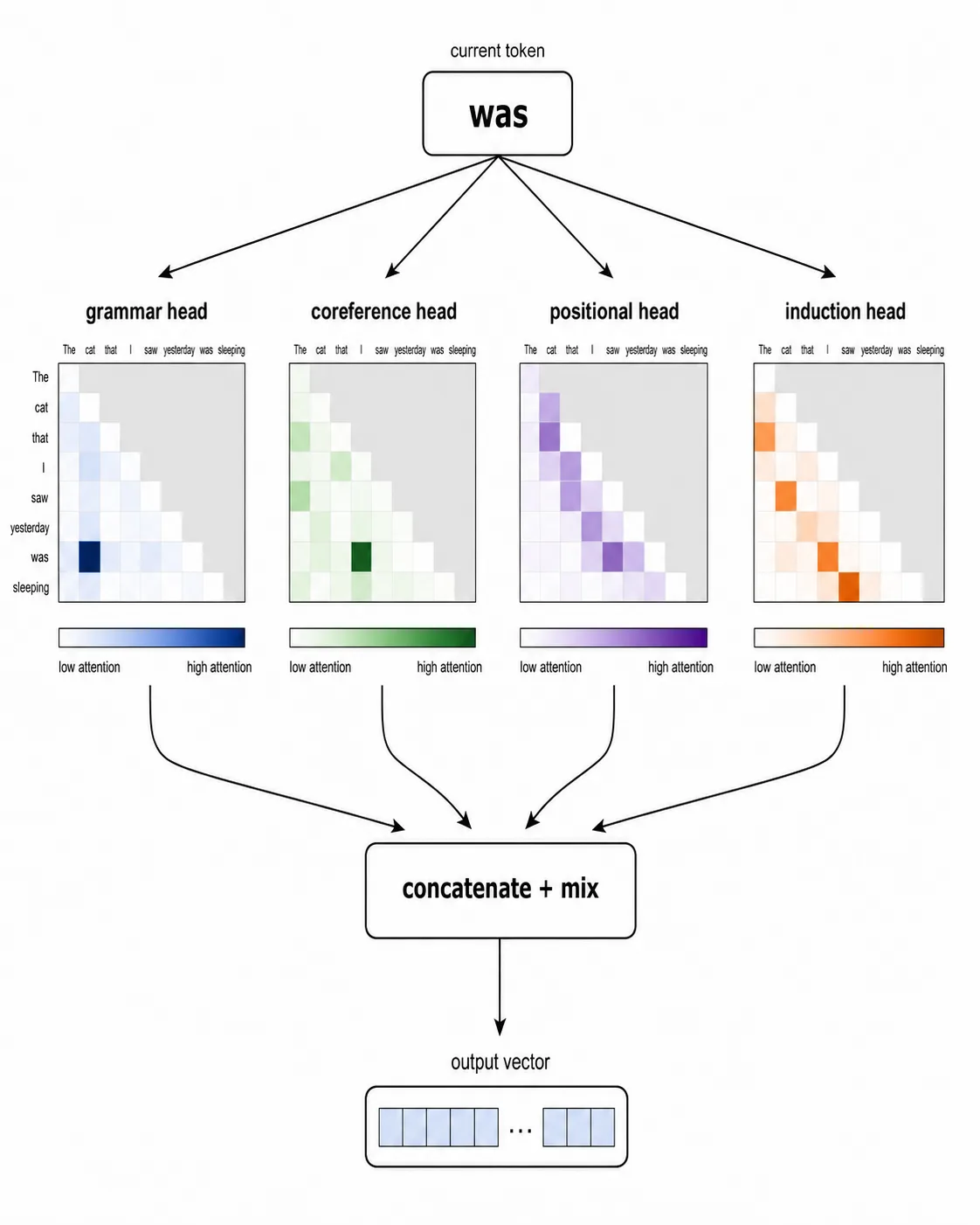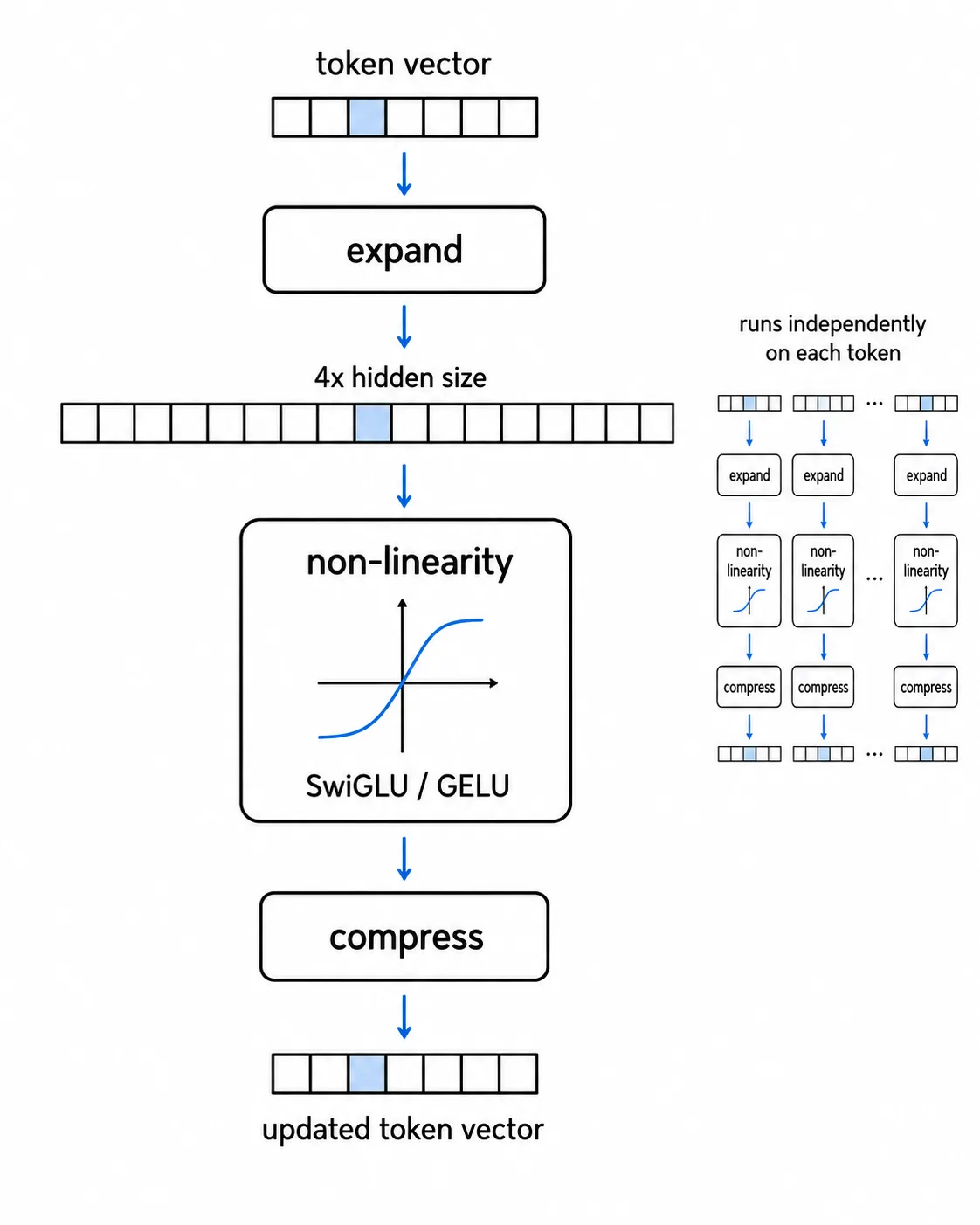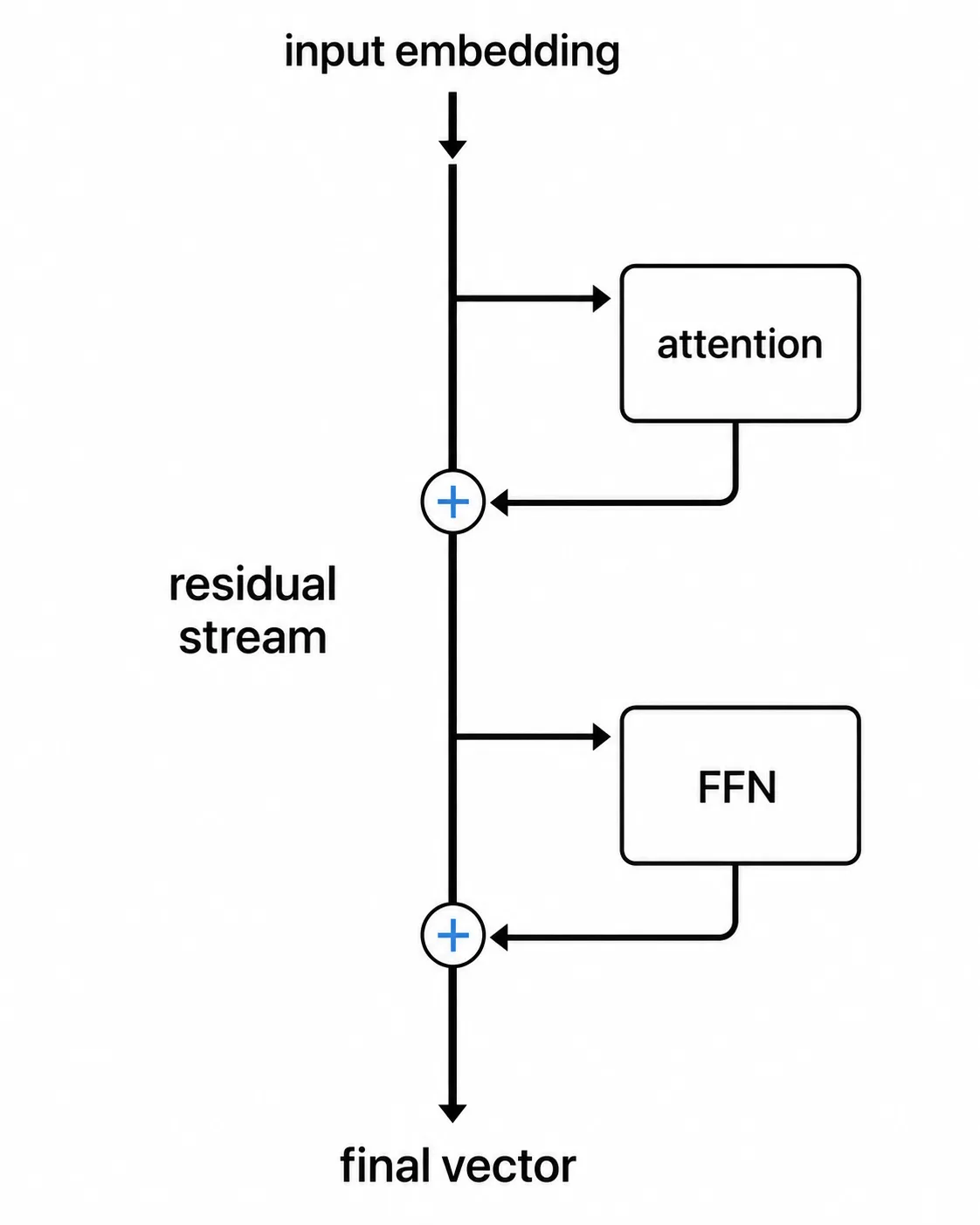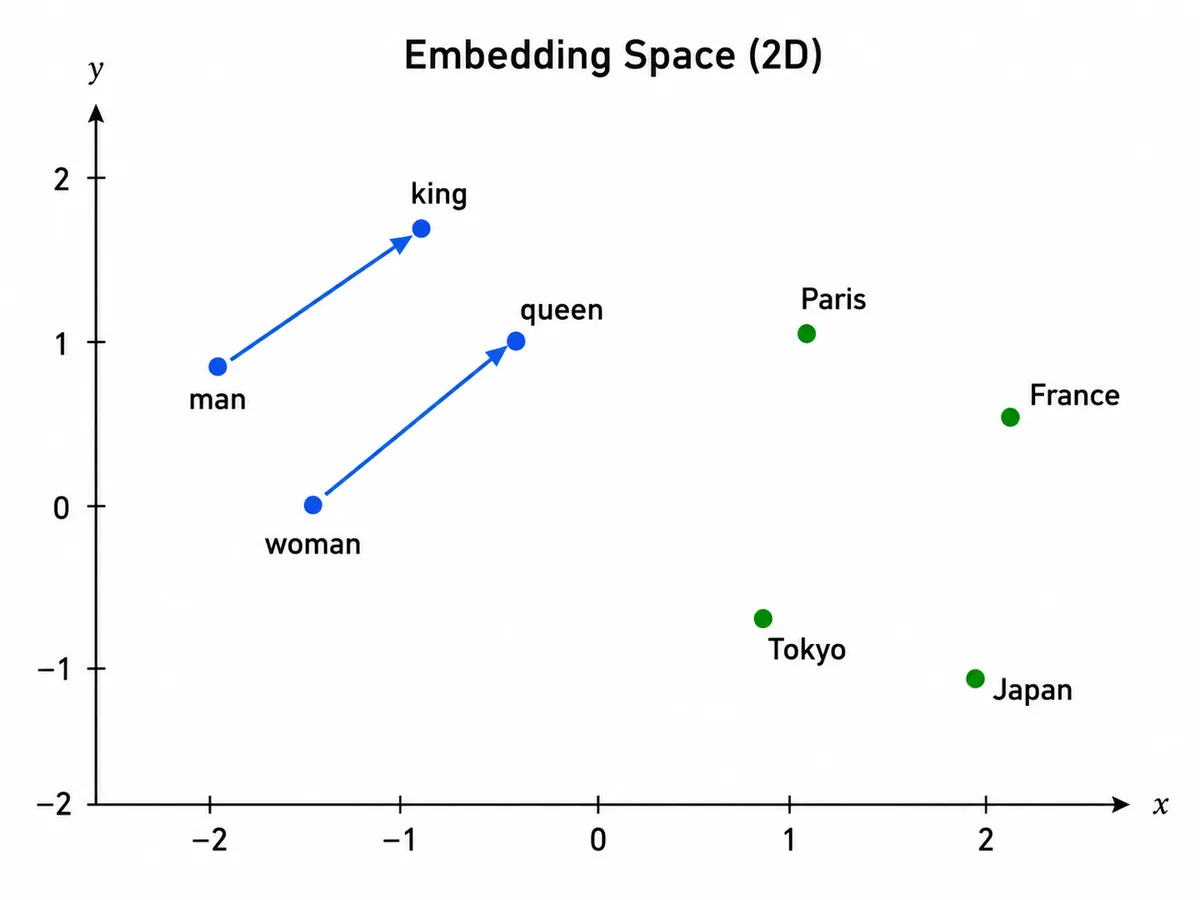
Modern large language models (LLMs) rely primarily on a repeated stacking of transformer blocks as their core architecture. This approach forms the backbone of most state-of-the-art LLMs deployed globally [1, 2]. Understanding the transformer’s underlying machinery reveals the fundamental mechanisms these models use to process and generate language [1, 2].
Although many LLMs share a common transformer-family skeleton, they differ in key areas including training data, scale, model configurations, and post-training adjustments. These differences allow developers to tailor models for particular applications or improve performance in specific domains [1, 2].
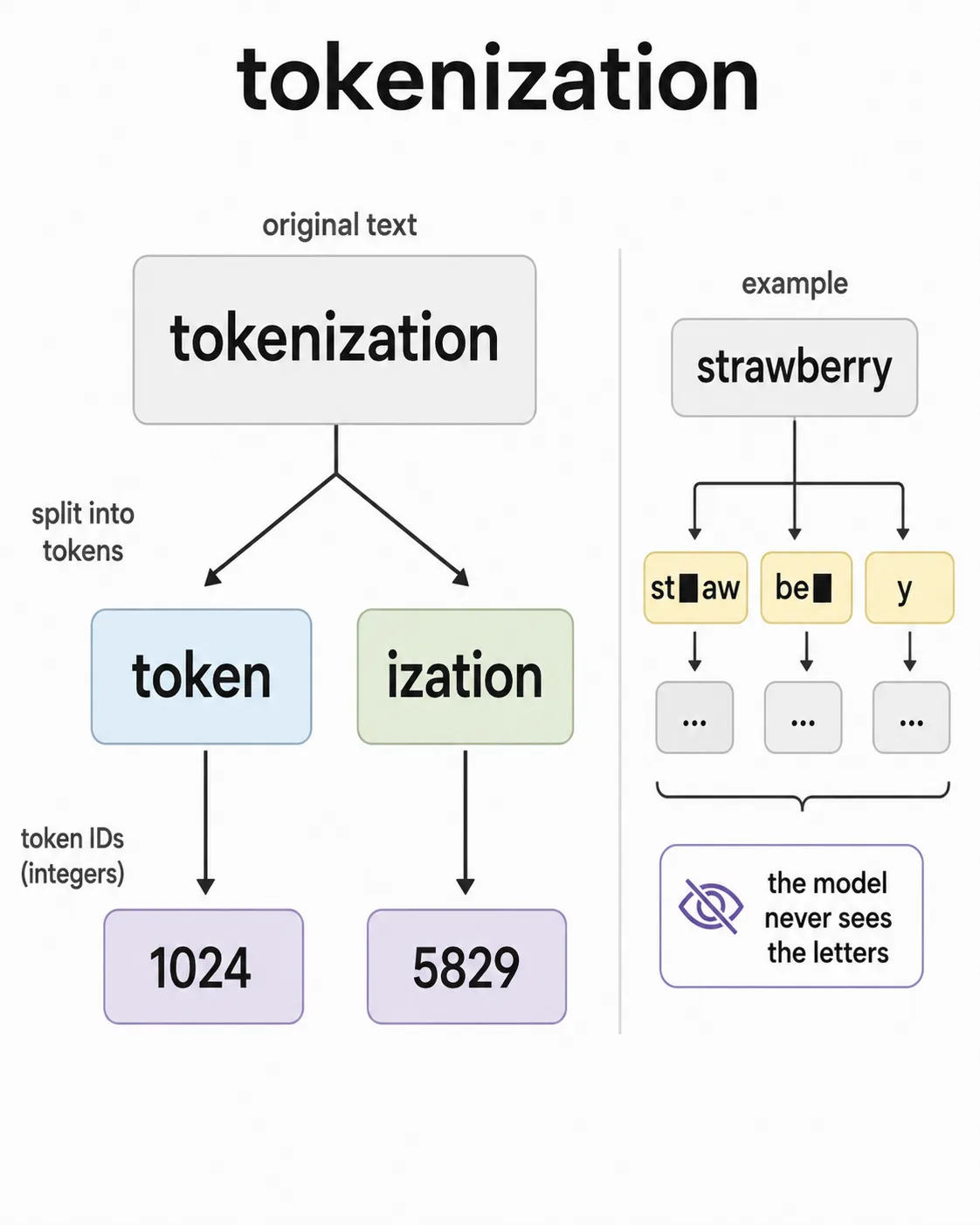
Before processing, text input is tokenized—converted into sequences of integer token IDs. These IDs correspond to fixed vocabulary entries whose sizes typically range from tens of thousands to a few hundred thousand tokens. Token vocabularies often consist of subword pieces rather than entire words to improve efficiency and generalization capabilities across diverse language inputs [1, 2].
This tokenization strategy helps balance coverage of natural language with manageable vocabulary size and aids in model training stability and inference speed. Together, the stacking of transformer blocks and a carefully designed token vocabulary form the technical foundation of modern LLMs.
Continuing research and development focus on refining these components to improve language understanding and generation quality.