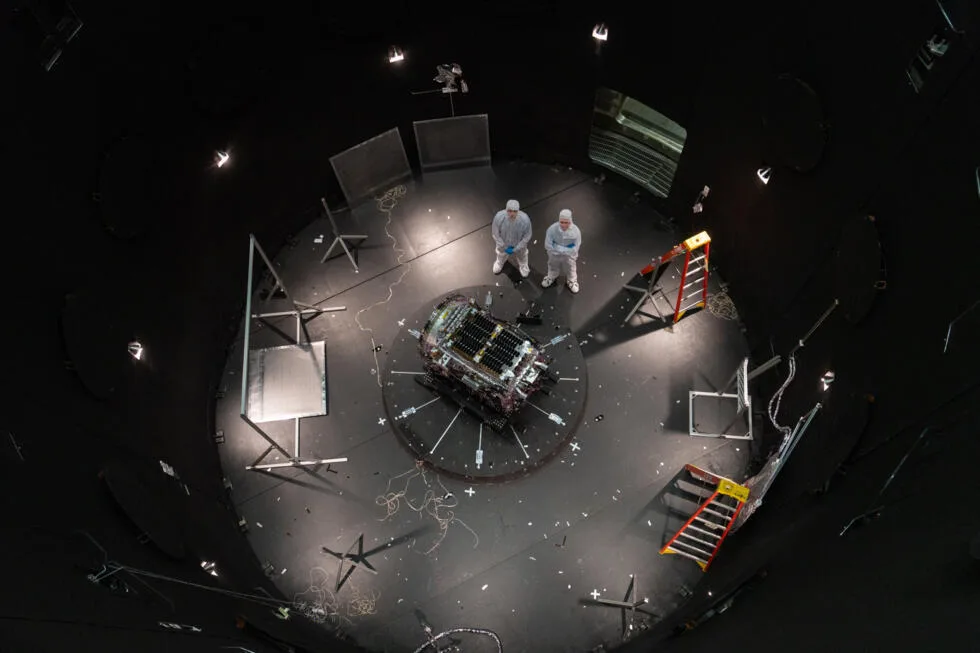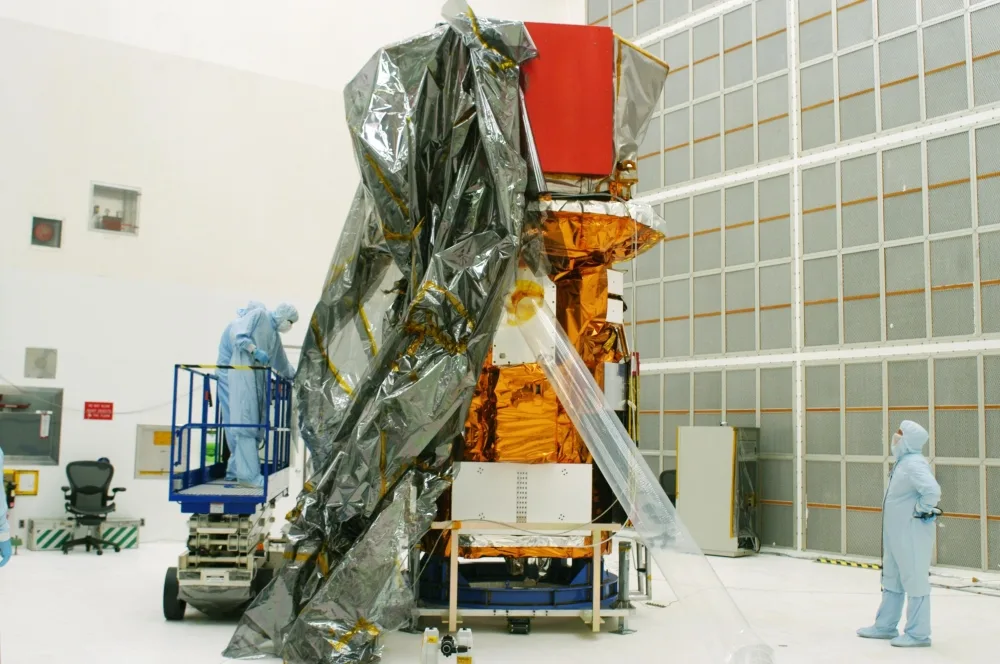
NASA is preparing to launch a robotic mission to boost the Neil Gehrels Swift Observatory telescope into a higher, more stable orbit before it burns up entering Earth’s atmosphere [1, 2, 3]. The Swift telescope, launched in 2004 for a nominal two-year mission, has operated for over 20 years studying gamma-ray bursts, some of the universe’s most energetic events [1, 2, 3].
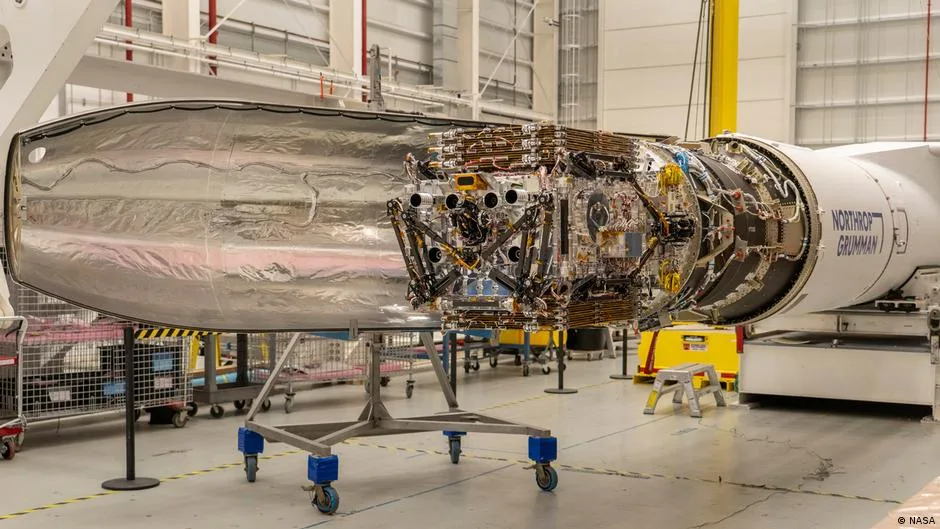
The rescue craft, named LINK, was developed by US startup Katalyst. It will launch atop a Pegasus XL rocket that is air-dropped from an airplane rather than a traditional pad [1, 2, 3]. LINK will dock with Swift using three robotic arms and tow it roughly 300 kilometers higher into a safer orbit over at least a month-long operation [2, 3].
NASA first planned the launch for June 30, 2026, but bad weather delayed the attempt to no earlier than July 1, 2026, at 0943 GMT [2, 3]. Without the mission, Swift is expected to re-enter the atmosphere uncontrolled and burn up by year’s end [1, 2, 3].
Brad Cenko, Swift’s principal investigator at NASA, called the mission a “great opportunity for NASA to try something novel, with real positive scientific benefit” [1]. NASA astrophysicist Regina Caputo described the effort as “so crazy” and praised Swift’s role in studying “the most energetic things that happen in the universe” [2]. Shawn Domagal-Goldman, director of NASA’s astrophysics division, called it “a lot of firsts stacked on top of each other” and expressed gratitude that NASA is attempting the mission [2].
The cost of the robotic boost mission is about $30 million, far less than the estimated $250 million needed to build a new replacement telescope [1]. Since its launch, Swift has detected over 2,000 gamma-ray burst sources and helped confirm that heavy elements like gold and platinum are formed in stellar explosions or collisions [1].
This NASA effort marks several historic firsts: the first satellite boost via robotic capture and tow, the first use of an air-launched rocket for a rescue mission, and a new approach to extending satellite life rather than replacing aging assets [2, 3]. The next attempt to launch LINK and save Swift is scheduled for July 1, 2026, pending favorable conditions [2, 3].