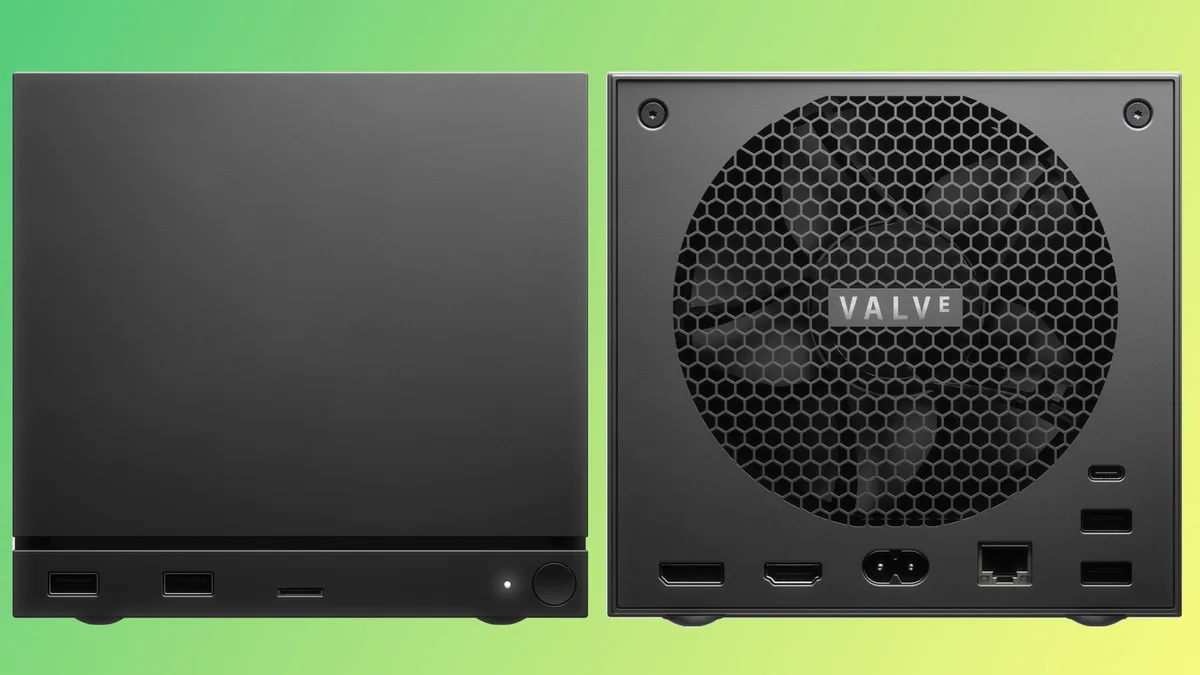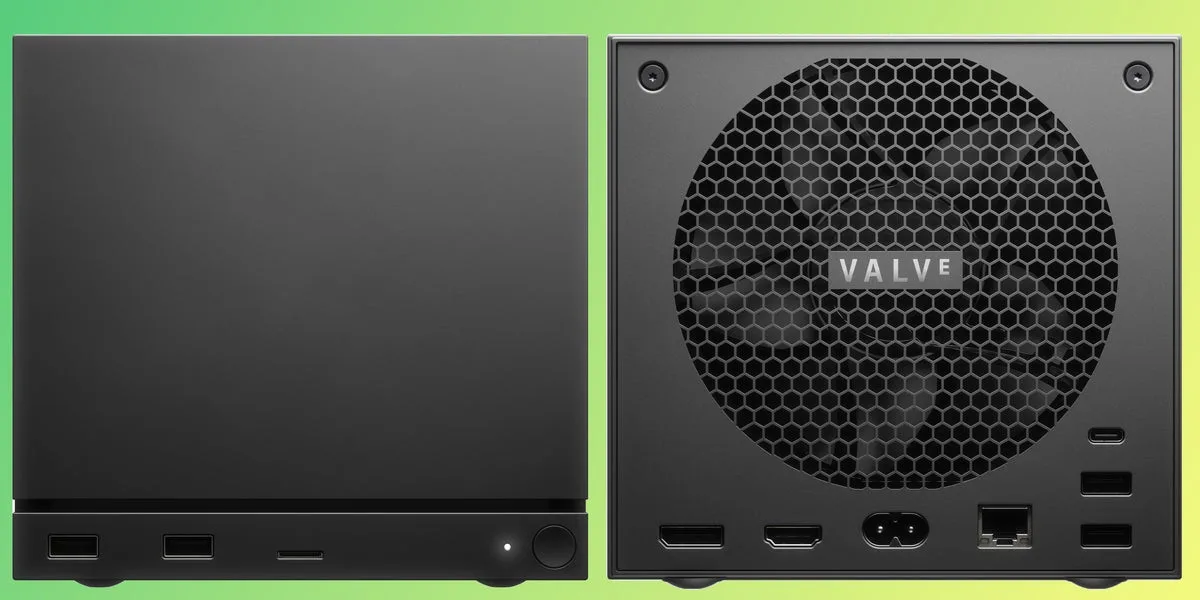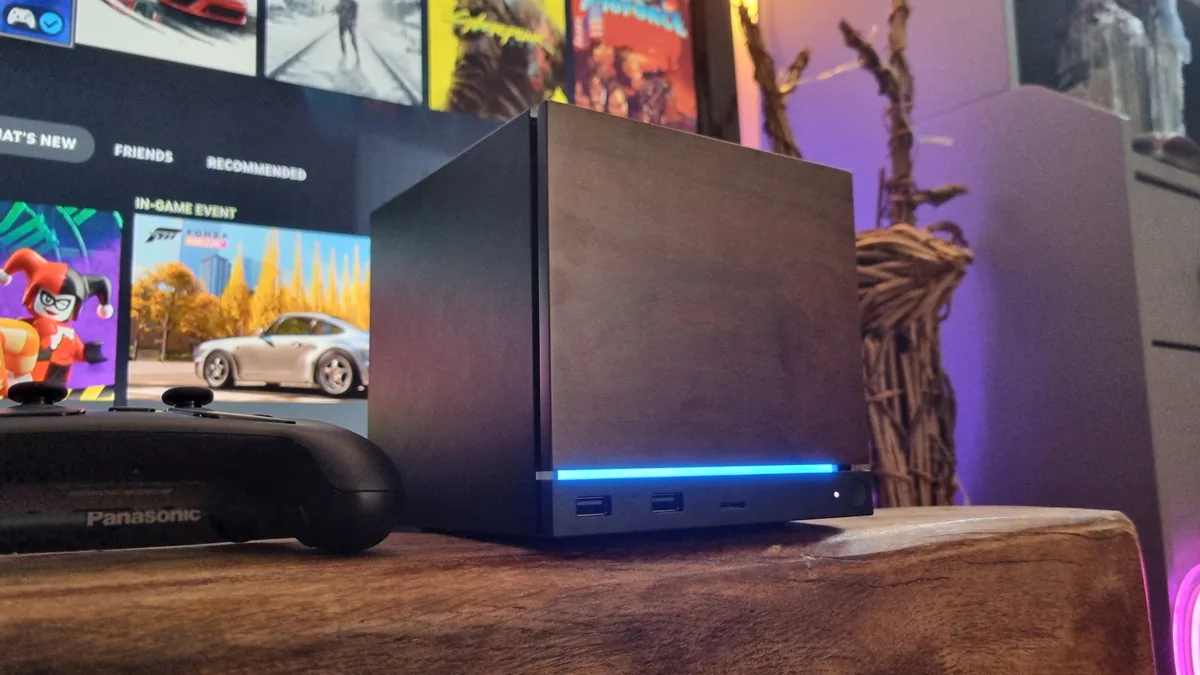
Valve’s Steam Machine currently starts at about $1,049 (£879), above the originally planned price of $789, due to rising memory and component costs [1, 2]. Valve engineer Yazan Aldehayyat said the situation "is still getting worse," explaining that retail prices on shelves today lag bulk supply price increases by three to six months, meaning retail prices may soon rise further [1].
Valve is producing as many Steam Machines as possible but is constrained by memory capacity and component availability. Engineer Pierre-Loup Griffais said, "We’re basically building everything we can get our hands on. We’re limited by memory capacity, for sure" [3, 4]. He also explained that Valve has no long-term contracts with suppliers. "They give us a price every month or something and they say ‘You can buy that many’ and it’s yes or no," he added [4].
Valve has not disclosed exact production or sales figures for Steam Machine but does not measure success solely by sales numbers. Instead, the company aims to offer an open-source PC gaming option for living rooms. Aldehayyat said, "If that's borne out to be true, from our opinion, it's a success" [3]. Steam Machine continues to be supported as a platform, though Valve has not released exclusive games for it [3].
The industry-wide memory shortage and price increases are affecting other console makers as well. Microsoft and Sony both raised prices recently for the Xbox Series X/S and PS5 consoles, and Nintendo plans a Switch 2 price increase on September 1 [1]. Microsoft expects component prices to roughly double again by autumn 2027, signaling more price hikes ahead [1]. Valve engineers suggest these ongoing increases could similarly affect Steam Machine and Steam Deck pricing, though they declined to speculate directly on future Steam Machine price changes [1, 2, 4, 5].
A class action lawsuit accuses major memory makers Samsung, SK Hynix, and Micron of colluding to artificially raise RAM prices, contributing to the tight supply [4].
Valve will continue producing Steam Machines as component supply allows and monitor market conditions. The next key date in the wider console market is Nintendo’s Switch 2 price rise on September 1, which may reflect ongoing cost pressures [1].