The US 30-year Treasury yield climbed to about 5.3% on August 18, marking its highest point since 2007 amid a widespread global sell-off in sovereign bonds [1, 2, 3, 4, 5, 6, 7, 8, 9]. This surge reflected growing concerns over persistent inflation, rising government deficits, increased corporate bond issuance tied to AI infrastructure, and renewed geopolitical tensions between the US and Iran following the expiry of a 60-day truce on August 17 [1, 2, 3, 4, 6, 7].
Other major sovereign bond yields also reached multi-year highs. Japan’s 10-year government bond yield neared a 30-year peak at about 3%, while German 10-year yields rose to levels not seen since 2011. Bonds in France and the UK saw similar pressure, highlighting a global shift away from government debt [1, 10, 2, 3, 4, 6].
The US government debt is approaching $40 trillion, increasing supply pressure on Treasuries. The recent 30-year bond auction yielded 5.216%, competing with a flood of corporate bonds financing AI projects, which has further pushed long-term rates higher [1, 3, 4, 6, 7]. Rising borrowing costs are affecting governments, corporations, mortgage holders, and consumers alike, raising affordability concerns across the economy [1, 2, 3, 4, 6].
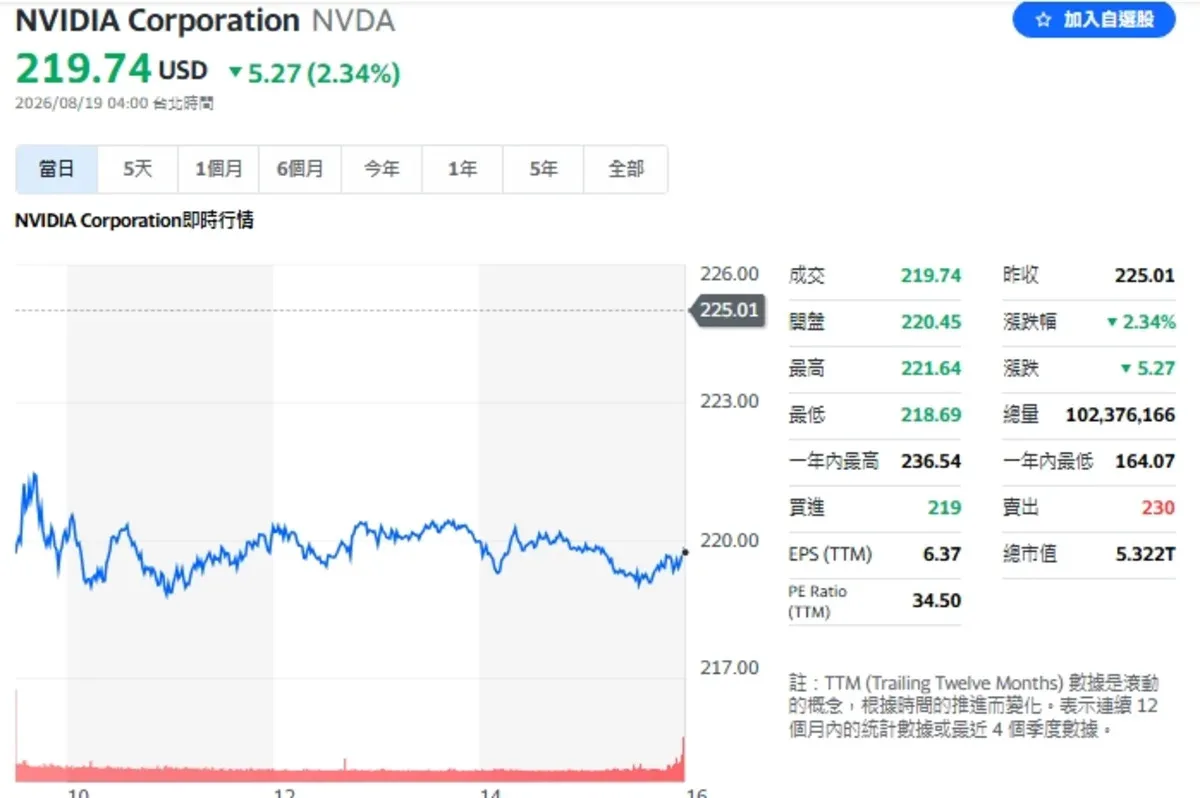
Geopolitical risks intensified after the US-Iran truce expired on August 17, fueling worries about conflict near the Strait of Hormuz. This added to market volatility and weighed on risk appetite globally [1, 2, 3, 4, 6]. The yield surge contributed to a sharp decline in tech stocks and semiconductor shares worldwide, hitting Asian equity markets including Taiwan, South Korea, and Japan on August 18 and 19 [2, 4, 11, 5, 7, 8, 9].
Market analysts noted that yields above 5 to 5.3% could represent a structural turning point, pressuring valuations in growth sectors, notably AI and technology [7]. Some investors see yields above 5% as a potential buying opportunity for long-term US Treasuries, citing attractive income and relative safety. Others warn that volatility and sensitivity to interest rate changes pose significant risks [8, 9]. Neil Wilson of Saxo Markets said the rise partly reflects "the Fed's lack of clear policy guidance," which is pushing long-term yields higher [6]. Loomis Sayles' Matt Eagan commented, "You are on a bus called the 30-year bond approaching a cliff, but you don't know if the cliff is 100 meters or 100 miles away" [1].
European government bonds began rising from August 14 onwards, with German and French yields climbing to multi-year highs in response to market pressures [10]. The expiration of the US-Iran truce on August 17 coincided with sharp moves that culminated in the US 30-year yield surge the following day and broad bond market stress.
On August 19, discussion intensified on social media and investment forums about whether the elevated US Treasury yields signal a buying opportunity or caution for further market risk [8, 9].