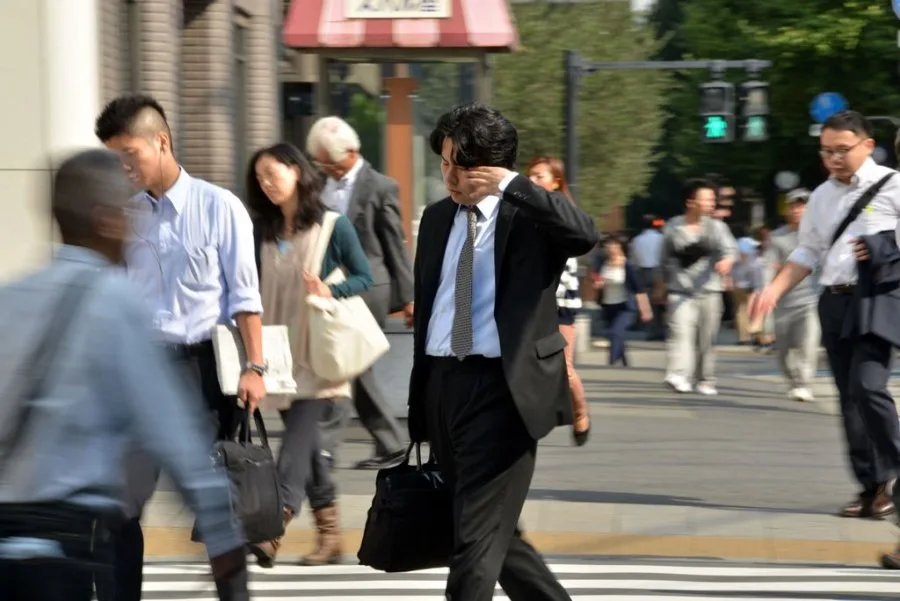
Japan’s 2026 spring labor negotiations led to a 5.37% average wage increase among large companies, the highest since 1976, averaging a raise of 19,752 yen (~502 MYR) per month [1, 2]. The national minimum hourly wage was also raised to 1,176 yen (~29.89 MYR), up 4.9% from 1,121 yen [1, 2]. Despite these increases, Japan’s real wages adjusted for inflation fell an estimated 1.3% in 2025 due to a weak yen, inflation exceeding wage growth, and labor shortages [1, 2]. Small and medium enterprises faced a growing crisis of ‘employee resignation bankruptcies,’ which reached 124 cases in 2025, a 37.8% rise from 90 cases in 2024 and the first time exceeding 100 since 2013 [1, 2]. The construction sector was hardest hit with 37 bankruptcies (29.8%), followed by service with 29 and manufacturing with 21, all record highs [1, 2].
In Taiwan, the minimum monthly wage for 2026 is expected to exceed 30,000 NTD (~3,000 USD), with labor organizations pushing for around a 5% hike to about 31,182 NTD [3, 4, 5, 6, 7]. Pan Junrong, chairman of Taiwan’s National Federation of Industries, supported a reasonable minimum wage increase and stressed the need for government aid to traditional industries facing economic difficulties [3, 4, 5, 8]. He highlighted challenges such as a sluggish market, high costs related to soil removal, limited financing options, and risks from government housing market restrictions [3, 5, 9]. Pan proposed government loans to traditional sectors, repayable with interest and taxes later, aiming for a win-win outcome [4, 5, 8].
Pan also emphasized energy stability, endorsing policies requiring large power users to self-generate electricity and supporting the restart of nuclear plants 2 and 3, saying, “Industries aren’t afraid of challenges, the greatest fear is unstable power supply. Energy diversification stabilizes future supply, restarting nuclear plants 2 and 3 stabilizes power.” [8]
Pan described the government’s recent 10,000 NTD cash payout to citizens as a fair sharing of economic growth and urged companies to similarly share profits with employees: “If companies earn profits, why fear giving wages? Government sharing with all is reasonable; companies should also share management success with employees.” [5]
However, experts warn rising minimum wages may cause pay compression in Taiwan, where experienced workers earn only slightly more than new hires, risking dissatisfaction and ‘quiet quitting’ [10]. Taiwan faces a widening K-shaped economic divide, with fast-growing AI and semiconductor sectors contrasting with declining orders and rising costs in traditional and small-medium enterprises [3, 11]. Guanjun Building Materials Chairman Lin Rongde noted, “Technology moves forward, traditional industries must stand firm. Housing market cooling impacts are spreading; government must watch job losses, not just unemployment statistics.” [12]
Taiwan’s National Federation of Industries released its 2026 white paper today, August 24, calling for more government support to traditional industries and stable, diversified energy policies [3, 4, 8, 9, 11, 12].