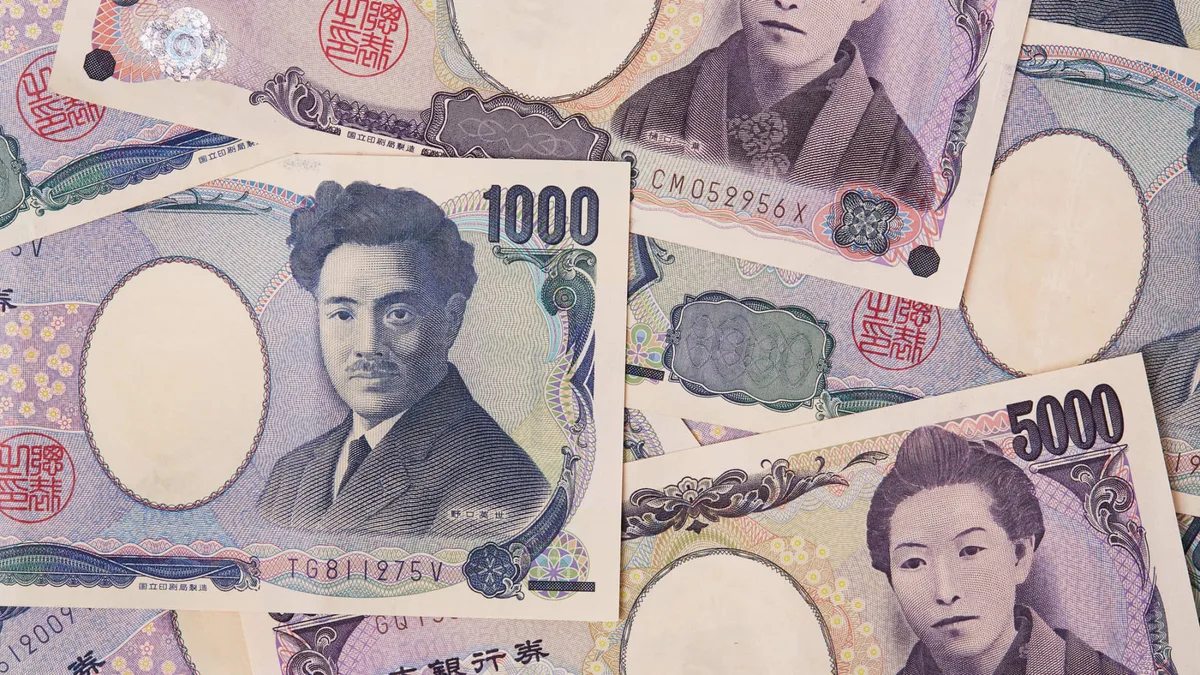
Japan and the United States conducted a coordinated foreign exchange intervention on July 31, 2026, purchasing yen to support the currency against sharp depreciation [1, 2, 3, 4, 5, 6, 7, 8]. Before the intervention, the yen traded near a 40-year low of about 164 yen per dollar on July 30 [1, 3]. The intervention pushed the yen stronger to around 155 yen per dollar by August 1 [1, 2, 3, 4]. However, these gains have partially reversed, with the yen weakening back above 159 yen per dollar by August 10-11 [1, 2, 3, 6].
The fundamental pressure on the yen stems largely from wide interest rate gaps between Japan and the US. The Bank of Japan’s policy rate remained at 1% as of late July, while US 10-year Treasury yields approach 4.7%, fueling carry trades that favor the dollar [1, 2, 3, 9]. BOJ Governor Ueda Kazuo acknowledged rising inflation risks that "may require a faster pace of rate hikes" [5]. Some BOJ policymakers have advocated for quicker tightening, signaling a hawkish shift [10, 3, 5, 6].
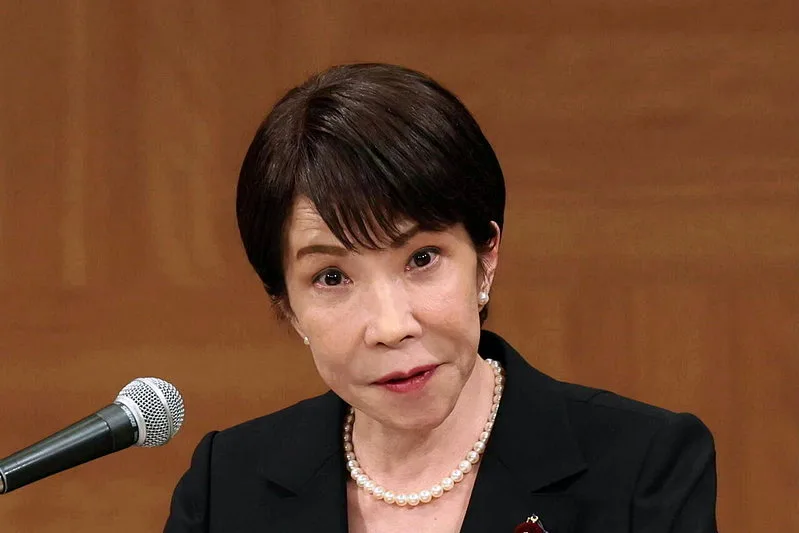
Japan’s government under Prime Minister Sanae Takaichi supports the BOJ’s tightening efforts, emphasizing that monetary policy decisions, including rate hikes, rest with the BOJ [10, 4, 11, 7, 8]. US Treasury Secretary Scott Bessent voiced strong support for Japan’s monetary tightening to address excessive yen depreciation [10, 4, 7, 8]. Market pricing as of mid-August gives about a 74% chance of a 0.25 percentage-point BOJ rate increase at the September 18 policy meeting [10, 3, 4, 6, 7, 8].
Market experts voiced mixed views on the intervention’s effect. Jesper Koll of Monex Group said "Intervention has scared markets, but has not stopped the laws of finance which say money flows in the direction of maximum returns" [2]. State Street strategist Lee Ferridge warned, "If no new intervention measures occur, the yen will continue to weaken; markets seem disappointed by lack of further intervention" [1]. Guy Miller of Zurich Insurance said the absence of ECB participation weakened the coordination message [3].
Despite intervention and signals of BOJ tightening, structural factors such as Japan’s fiscal challenges, import-driven inflation, and persistent US-Japan rate differentials continue to pressure the yen [1, 2, 3, 4, 6, 9]. Analysts say a sustained yen stabilization depends crucially on explicit and timely BOJ monetary tightening [1, 2, 3, 4].
The Bank of Japan’s next monetary policy meeting is scheduled for September 18, 2026, when markets expect a likely rate hike.