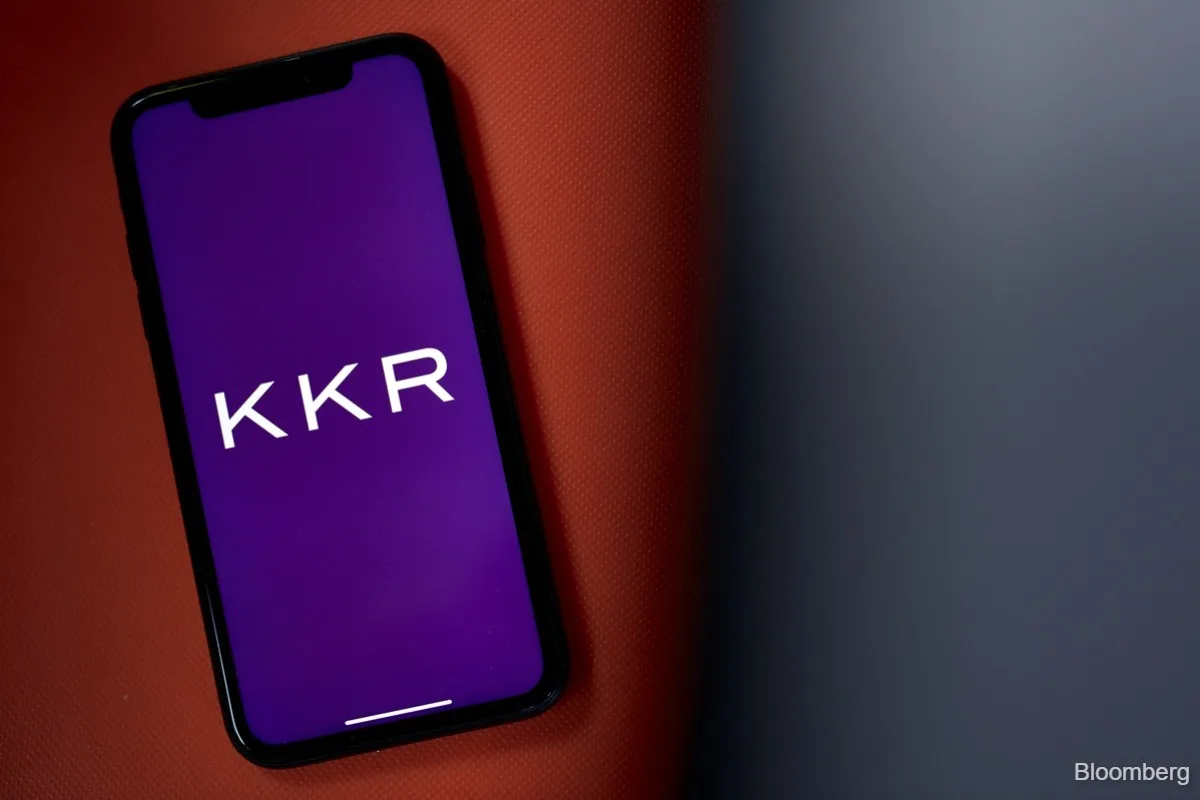
KKR announced plans to sell nine projects across China, including a high-end multi-family apartment complex in suburban Beijing and a mid-market hotel on Shanghai’s Bund waterfront. AEW is seeking buyers for the HeXa International Plaza and Jing IN International Center office towers in Beijing, along with the Shanghai Pudong Development Bank building in Lujiazui business district [1, 2, 3].
Both firms expect sales proceeds will cover only the outstanding bank loans used to acquire these properties, which amount to approximately 50% to 60% of the original purchase prices. This indicates they will incur steep losses on these disposals [1, 2, 3].
Despite these sales, KKR remains active in China’s private equity market, holding stakes in companies like ByteDance, Jiangsu Yuguan, and Kareway Health. In 2025, it launched its first yuan-denominated fund aimed at onshore investors such as Ping An Capital [1, 3].
The divestments reflect broader challenges for foreign investors in Chinese commercial real estate, who have been selling assets after heavy investment over the past 15 years amid falling rents and excess supply caused by an economic slowdown [1].
Though leasing activity has improved slightly in top-tier cities during 2026, rents and valuations have yet to rebound substantially [2]. In Shanghai’s Grade A office market, Q2 2026 saw net absorption of about 233,000 square meters and vacancy rates fell to 22.5%, but rents declined to 195.2 RMB per square meter per month [2]. Beijing’s office vacancy fell to 15.3% in Q2, yet rents dropped 4.5% quarter-over-quarter and 13.8% year-over-year [2].
KKR and AEW’s sales moves follow a Bloomberg report on July 20 that highlighted plans to offload discounted Chinese commercial real estate holdings [2].