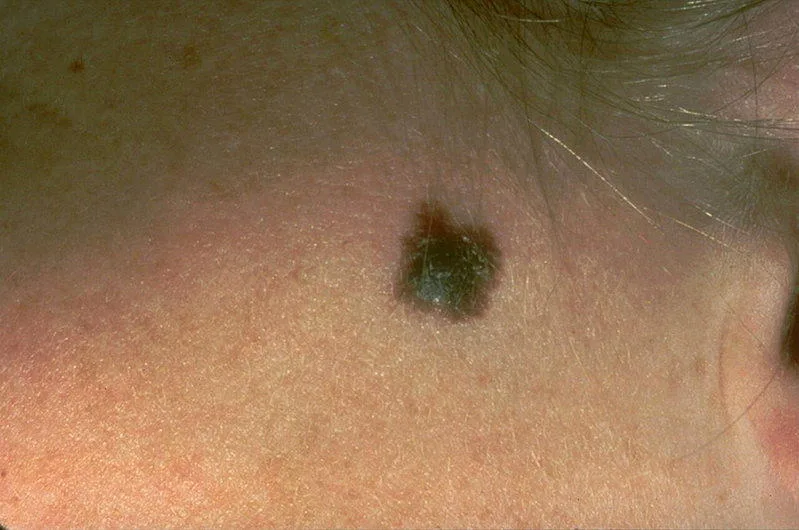
Moderna and Merck revealed on August 19 that their personalized mRNA cancer vaccine, intismeran autogene, significantly lowers the risk of recurrence in high-risk melanoma patients after surgery [1, 2, 3].
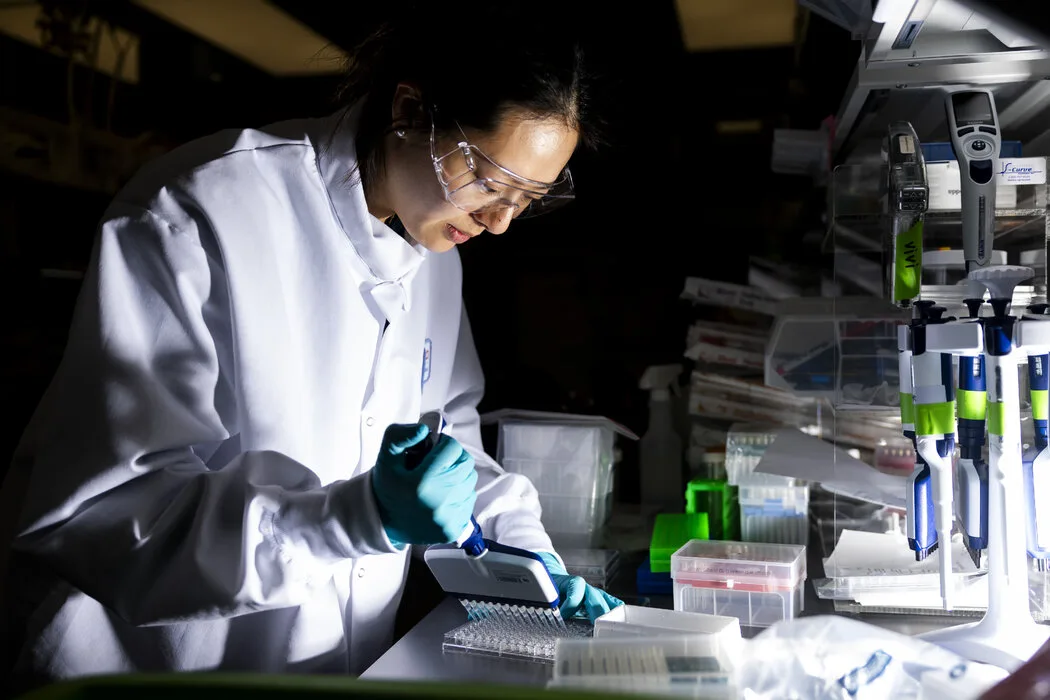
The trial enrolled 1,137 patients with surgically resected stage IIB to IV melanoma. Participants received either Merck's Keytruda immunotherapy alone or Keytruda combined with the personalized vaccine [1, 4, 5, 6]. The vaccine is designed using mutations specific to each patient’s tumor DNA to generate neoantigens encoded in mRNA. These train the immune system to target leftover cancer cells [1, 7].
The combination therapy met its primary endpoint by significantly extending recurrence-free survival. Secondary endpoints included reducing the risk of distant metastases [1, 3, 8]. Treatment lasted about one year with up to nine personalized vaccine doses given alongside Keytruda [5, 9].
Moderna CEO Stéphane Bancel said the vaccine could be approved as early as 2027, calling it "not just a milestone for the company but an important moment for medicine and patients" [1, 9]. Merck Vice President Jane Healy described it as "a new frontier aimed at giving patients longer time without worrying about cancer treatment" [3].
This vaccine represents the first personalized mRNA cancer therapy to succeed in a large late-stage melanoma trial [3, 4]. Moderna’s stock price surged approximately 177% on the announcement day; Merck shares also rose significantly [2, 3, 5].
The vaccine is therapeutic rather than preventive, focusing on reducing recurrence risk after surgery rather than stopping initial cancer onset [7, 4]. The manufacturing process is complex and costly, which may impact accessibility and scalability [3, 7, 4].
About 112,000 new melanoma cases and 8,500 deaths occur annually in the US [1]. Moderna and Merck plan to seek regulatory approval and expand trials to other tumors, including lung, bladder, and kidney cancers [2, 7].
Complete Phase 3 data has not yet been fully published or peer-reviewed. Full results will be presented at an upcoming international medical conference [1, 3, 4, 5].