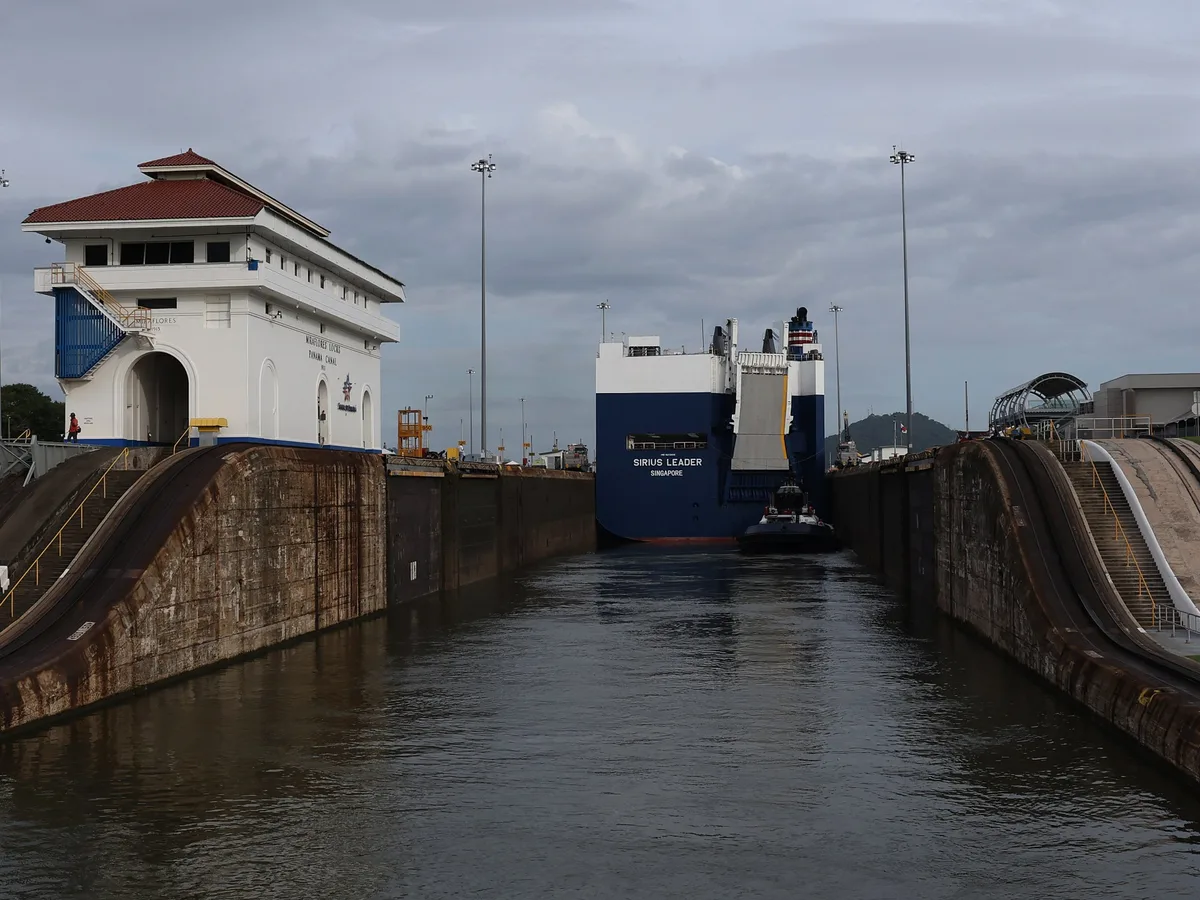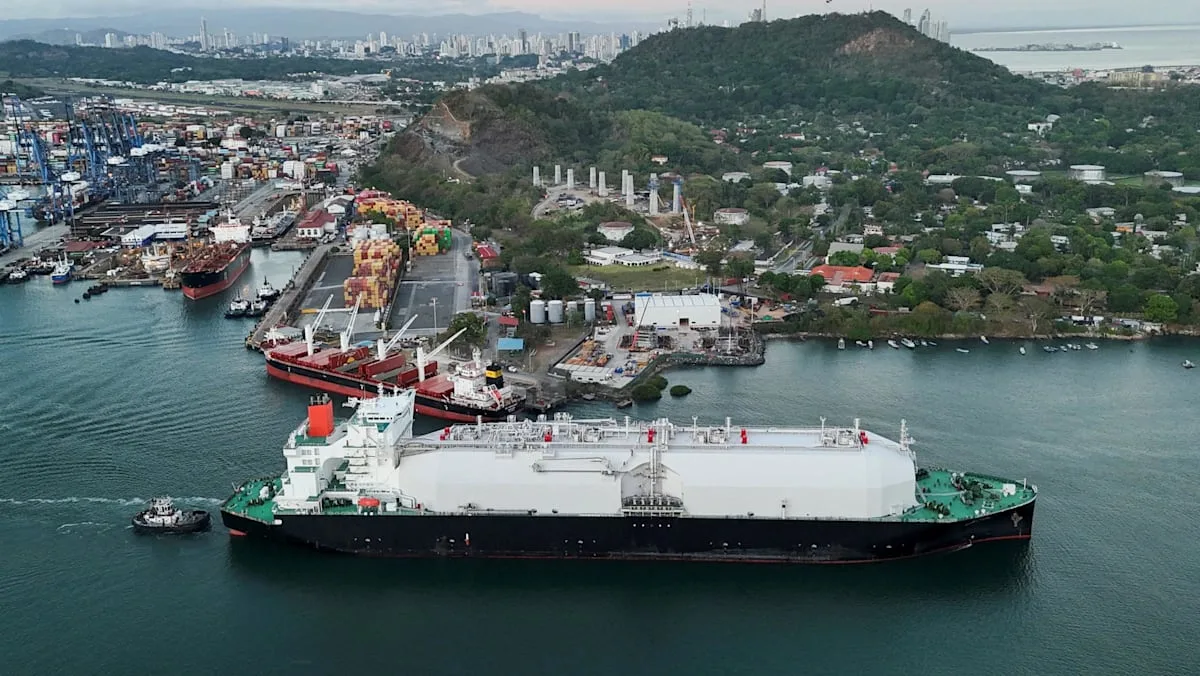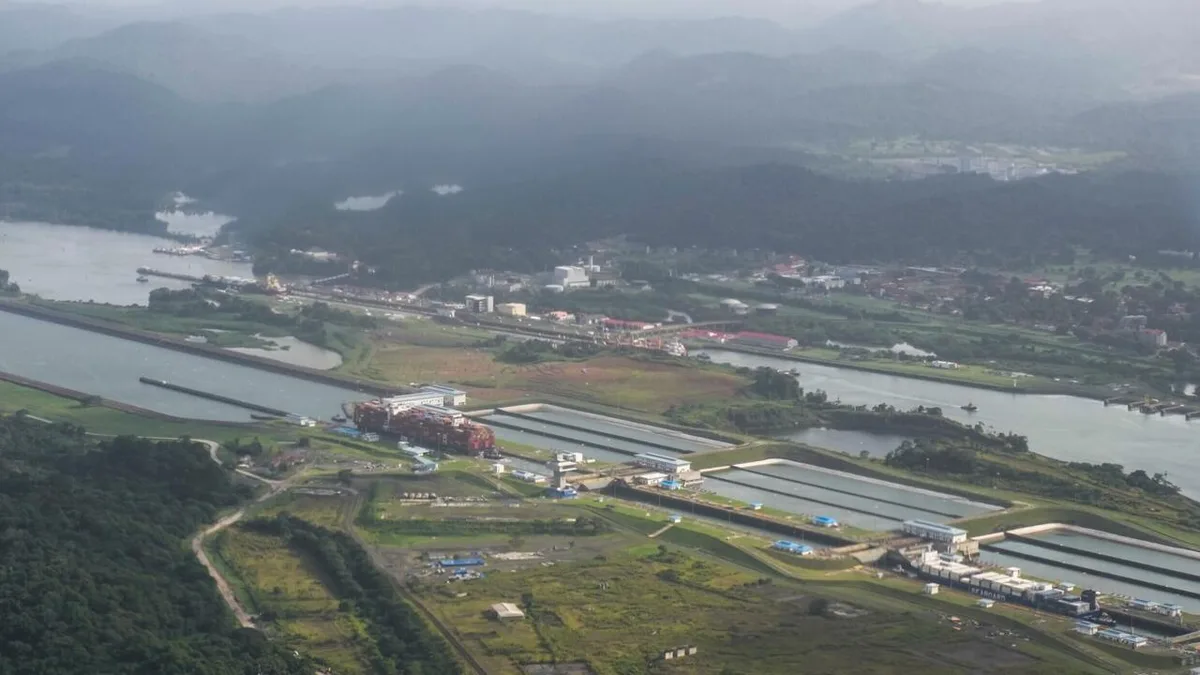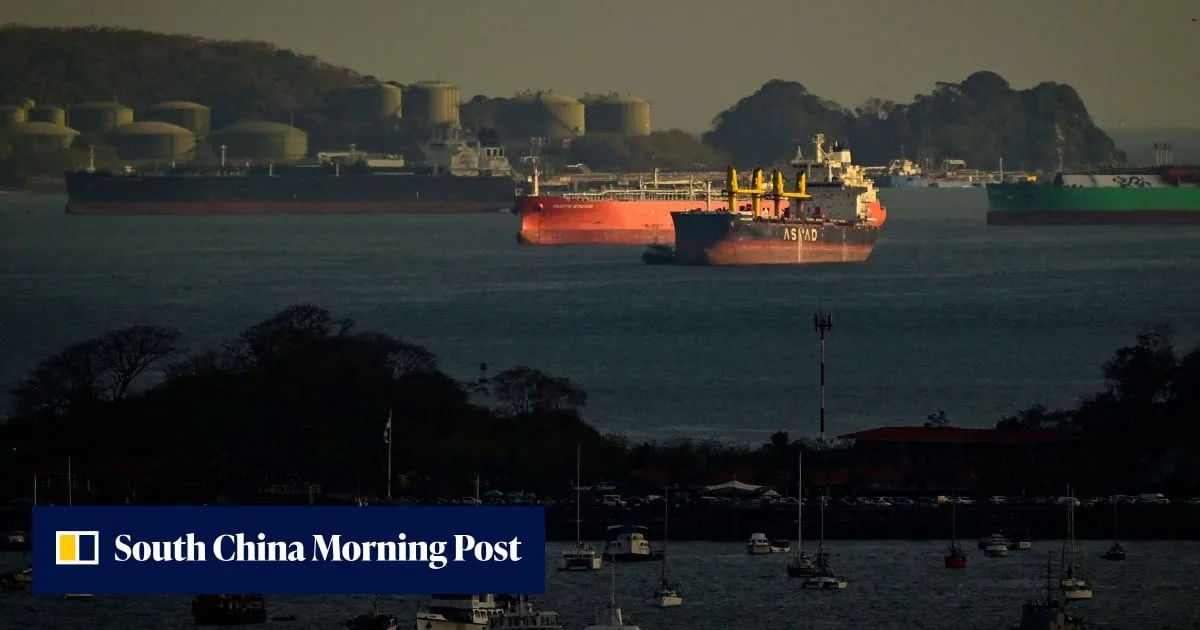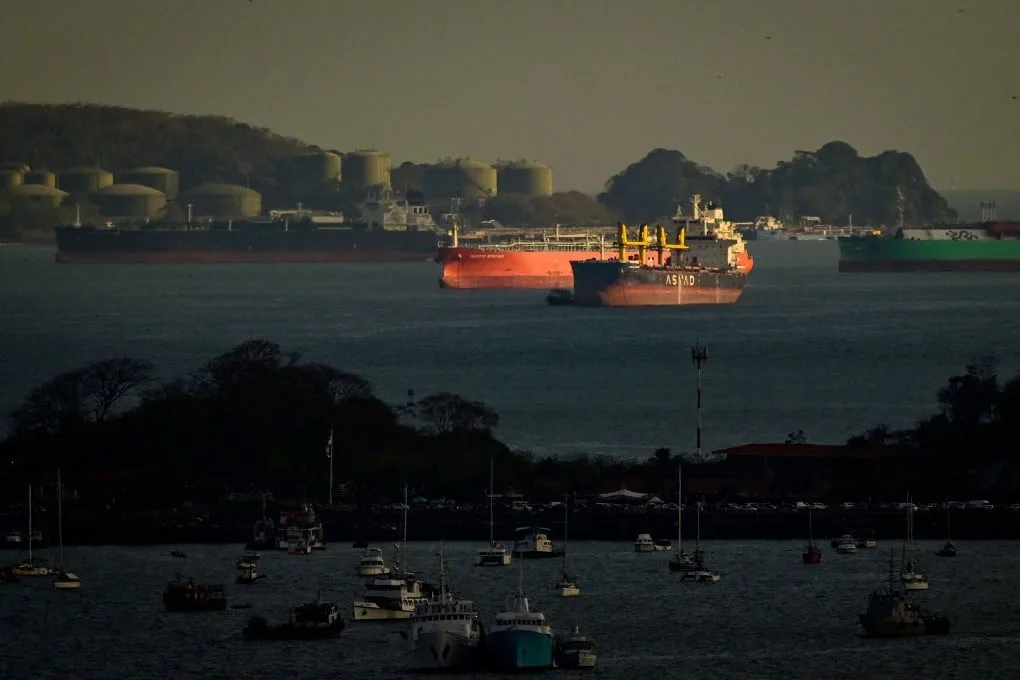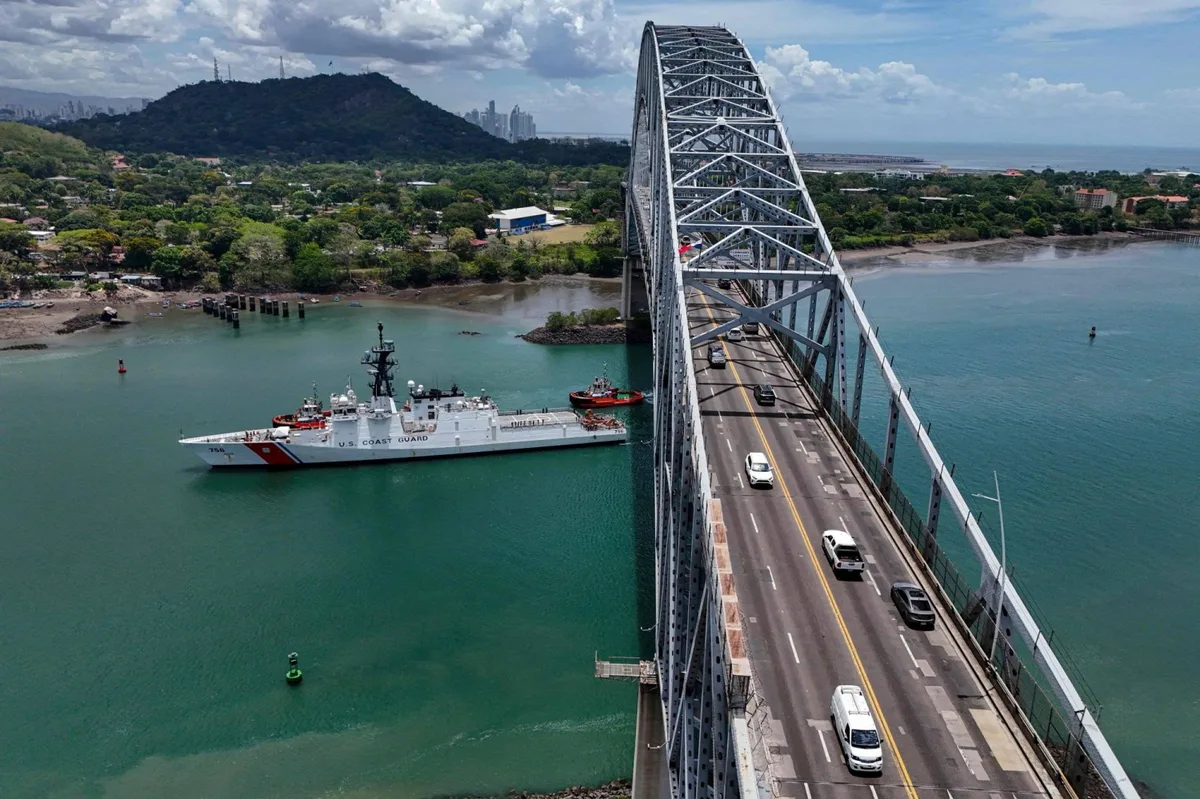
The Panama Canal Authority announced it will reduce the daily vessel transit limit starting September 3, 2026, lowering the number of ships allowed per day from 36 to 34. On September 15, the limit will be further cut to 32 ships per day [1, 2, 3, 4, 5, 6, 7, 8].
The reductions respond to historically low water levels in two artificial lakes that supply the canal, caused by a severe drought intensified by the ongoing El Nino weather pattern. El Nino, characterized by warming surface waters in the Pacific Ocean, has produced one of the strongest events on record in 2026. It has disrupted rainfall patterns, especially in Central America, where 80% of Honduras is currently under drought alert [1, 2, 3, 4, 5, 8].
From May through August 2026, rainfall in the Panama Canal watershed fell about 34% below historical averages, while inflows to the lakes feeding the canal dropped roughly 44% [1, 9, 6, 7]. Average daily ship transits in June were about 35, below the canal’s maximum capacity of 40 vessels per day [3, 9, 6, 7].
Other water-saving measures are in place, including lowering the maximum draft allowed for the largest ships to reduce water use during lock operations [2, 4, 5, 7, 8]. The Panama Canal Authority has postponed the implementation of a new lower maximum draft restriction on the Neopanamax locks to October 1 to ease cargo load impacts [6, 7].
The canal handles about 5% of global maritime trade and nearly 40% of U.S. container traffic, making these restrictions significant for international shipping [1, 2, 4, 5, 8]. Cargo shippers may face longer wait times, higher booking auction prices, and possible diversion to alternate routes if the restrictions persist [4, 6, 7].
Ricaurte Vasquez, Director of the Panama Canal Authority, said, "2023年和2024年的經驗,讓我們對我們已知的事物做好充分準備,也賦予我們應對未知事物的自律性。運河不會即興行事," emphasizing a cautious, measured approach based on past drought experience [7].
The Panama Canal will begin enforcing the reductions on September 3, with the further cut taking effect on September 15, as the drought and El Nino pattern are forecast to continue through 2026 and into 2027 [1, 2, 3, 9, 4, 5, 6, 7, 8].