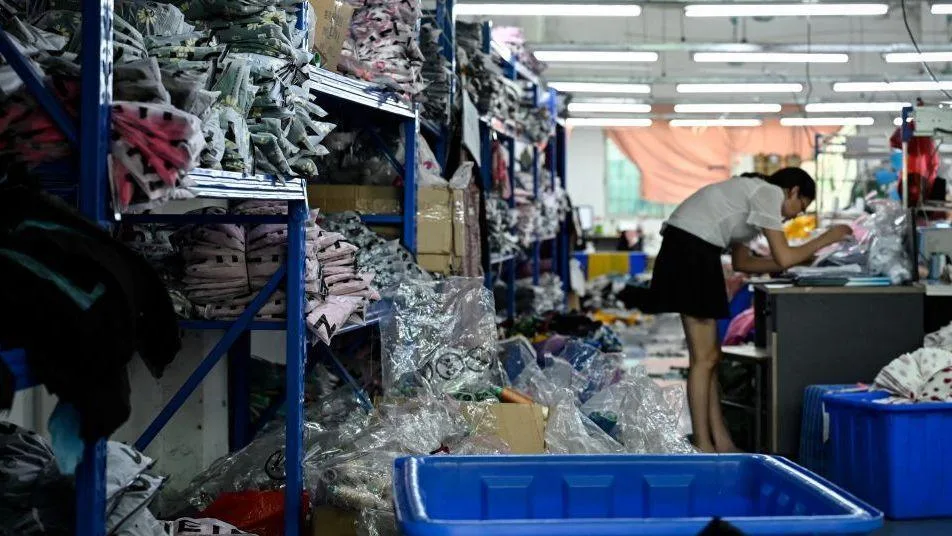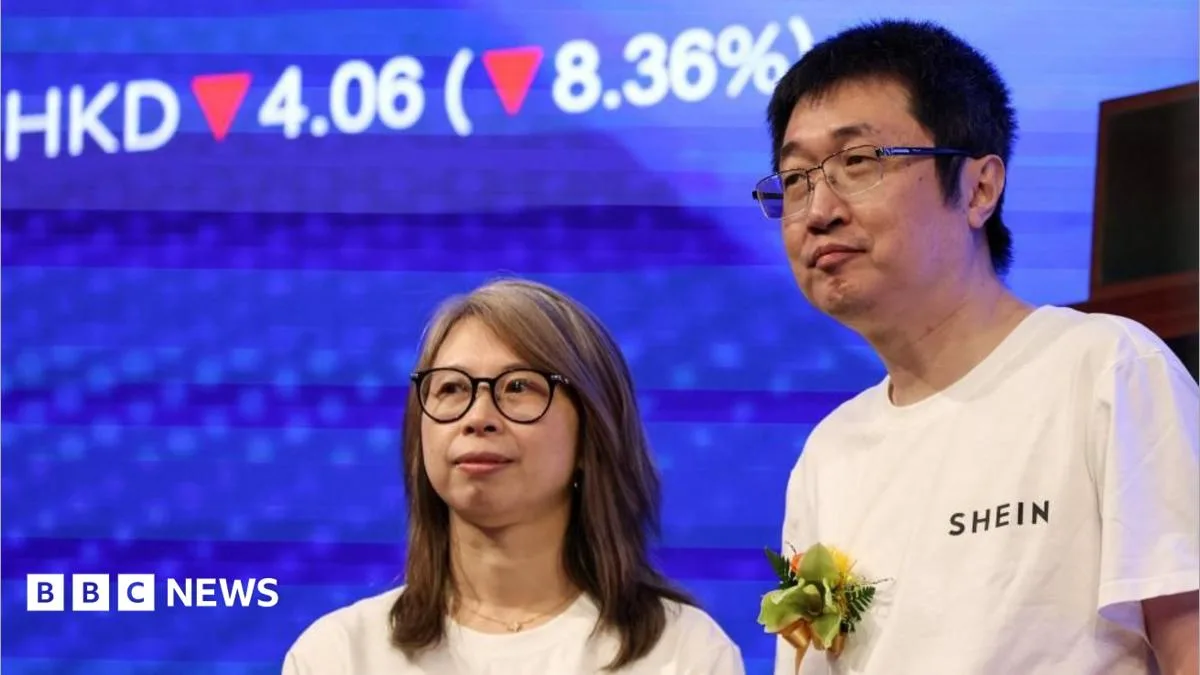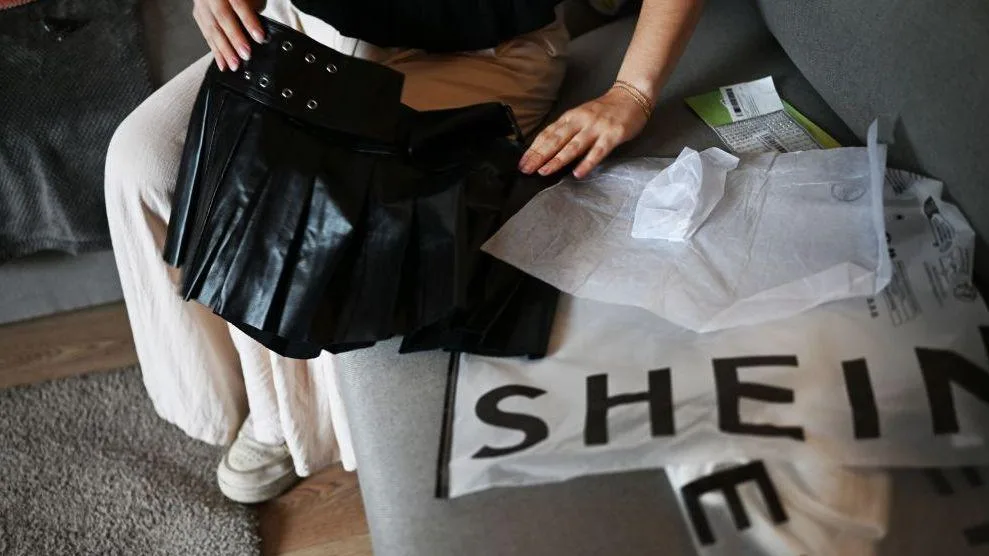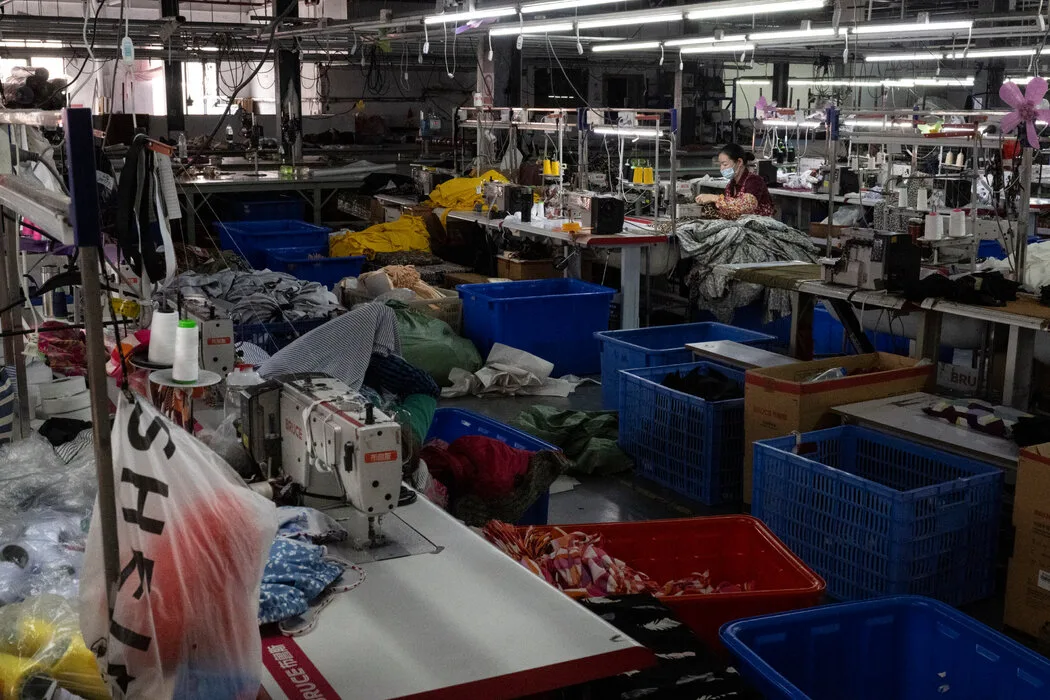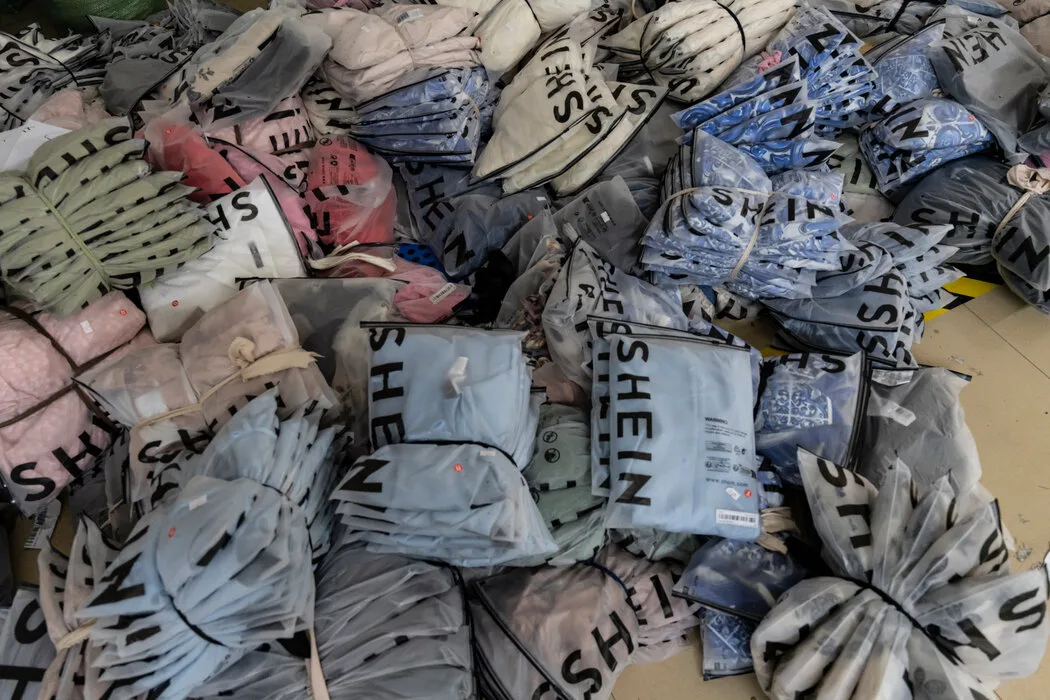
Shein, the China-founded fast-fashion e-commerce company now based in Singapore, raised approximately HK$13.6 billion (about US$1.7 billion) in its initial public offering on the Hong Kong Stock Exchange on September 1, 2026, pricing shares at HK$48.56 each [1, 2, 3, 4].
Shares opened flat but fell during the day, declining between 7% and 10% intraday before partially recovering, closing down about 6% to 9% against IPO price level, according to varying reports [5, 6, 7, 8, 3, 9, 4, 10]. Some sources noted shares ended at around HK$44.4 to HK$44.8, below the IPO price [1, 2, 9].
The IPO valued Shein at roughly US$26 billion, a steep drop compared to its private-market peak valuation near US$100 billion in 2022 [1, 2, 3, 9]. Shein's founder Sky Xu appeared briefly at the Hong Kong IPO ceremony on the day [6, 7, 8].
Shein reported over 273 million active customers and more than one billion orders for the year ending March 2026, with monthly active users in Europe reaching 156 million by end 2025 [1, 2, 10]. The company shifted its headquarters from China to Singapore around 2021-2022 to address geopolitical and regulatory challenges, after previous attempts to list in the US and UK failed due to regulatory scrutiny over labor and supply chain concerns [2, 4, 10].
Shein faces rising competition, increased costs, loss of tax breaks on small imports in the US and EU, and criticism of labor practices at suppliers, despite denials from the company [1, 2, 11, 3, 12, 10]. The company posted a net loss of about $99 million in Q1 2026, reversing a $395 million profit a year earlier [3, 4, 12, 10]. Analysts say Shein's fast-fashion growth model is under pressure as consumer preferences shift and regulatory hurdles mount. [1, 2, 11, 8, 12]
Leigh Gui, Shein's CFO, said at the IPO, "Let global consumers enjoy the sound of fashion," while analysts noted that Shein’s technology and business model may be seen as outdated by investors in 2026. Charu Chanana, Saxo Bank strategist, commented, "The disappointing debut suggests the market is not convinced that Shein's growth can make a 'comeback'." [1, 11]
The company plans to use the IPO proceeds to enhance technology, improve brand awareness, and support corporate responsibility programs [4, 10]. The Hong Kong listing follows China's approval in July 2026, after Shein's plans to list in the US and UK were blocked. The company will now focus on expanding in existing markets and addressing its challenges amid a changing retail landscape [2, 10].