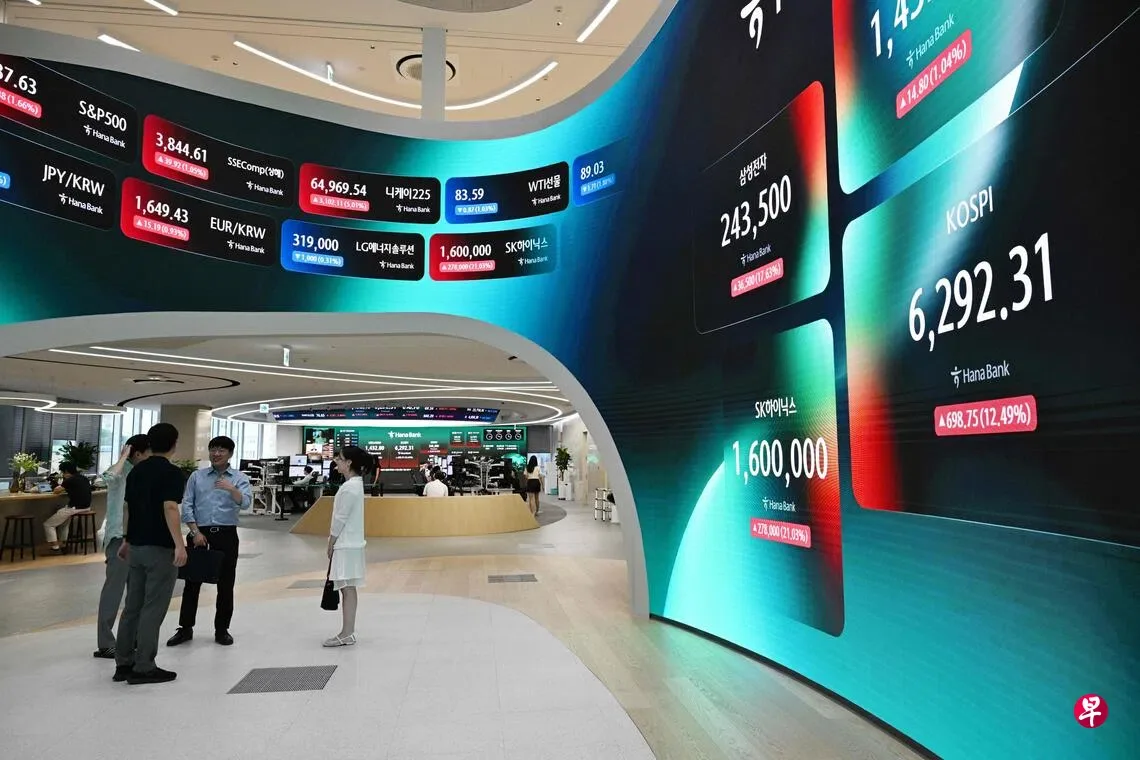
The South Korean Kospi stock market experienced extreme volatility between mid-June and mid-August 2026. The index dropped sharply from over 9000 points in mid-June to near 5500 points by the end of July, before rebounding to approximately 6800 points by August 13 [1, 2, 3].
This volatility stemmed from a surge in global enthusiasm for artificial intelligence investments, boosting demand and valuations for semiconductor and technology shares. At the same time, concerns grew over the heavy use of leverage and margin calls by retail investors, which triggered sharp liquidations in July [4, 1, 2, 3, 5]. Frank Benzimra, Head of Asia Equity Strategy at Societe Generale, noted, "Leverage trading among retail investors is increasing in Korea, Taiwan, and the U.S., raising risks in AI-related stocks" [1].
By the end of July, about 1.2 million South Korean retail investor accounts faced margin calls. Many suffered significant financial losses, including Yongjoon Kim, who said, "Losing 20 million KRW in a month is heartbreaking. Many friends are in worse situations, having put all their savings in the market and now feeling despair" [1, 2, 3]. Some investors expressed regret over buying late due to fear of missing out and a lack of experience [1, 2, 3].
From July 30 to August 13, the Kospi index rose roughly 22-23%, entering a technical bull market. Large Korean chipmakers Samsung Electronics and SK Hynix helped fuel the rebound, with their stocks rising about 5-7% on August 13 [4, 5, 6, 7]. The Kospi closed around 6813-6864 points that day, up about 4% intraday [4, 5, 6, 7].
The recovery was supported by moderating US inflation data that reduced expectations for Federal Reserve interest rate hikes. The CME FedWatch tool showed about a 60% probability the Fed would pause rate hikes in mid-September, down from earlier expectations [4, 8]. Stephen Juneau, economist at Bank of America Securities, said, "The next round of data in September and the Fed meeting lead-up will be pretty critical. The market is increasingly discounting hikes as recent data has been dovish" [8].
Market experts said the volatility phase reflected severe deleveraging among retail investors followed by a natural rebound. Kang DaeKwun, CEO of Life Asset Management, commented, "I think the previous overselling during deleveraging has stabilized, and this rebound is a natural response. But until AI investments and US rate trends become clearer, the market will struggle to sustain gains" [4].
Other Asian markets showed mixed reactions, with Japan’s Nikkei index displaying correlated volatility while markets with more diversified sectors were less impacted [1, 2]. As of August 14, the Kospi index continued to edge higher near 6900 points, led by strength in AI stocks amid easing Fed fears and positive earnings from major tech companies [8, 9, 10].
Investors now await the Federal Reserve’s mid-September meeting for clearer signals on interest rate policy and hope for more stability in AI investment trends to support further gains.