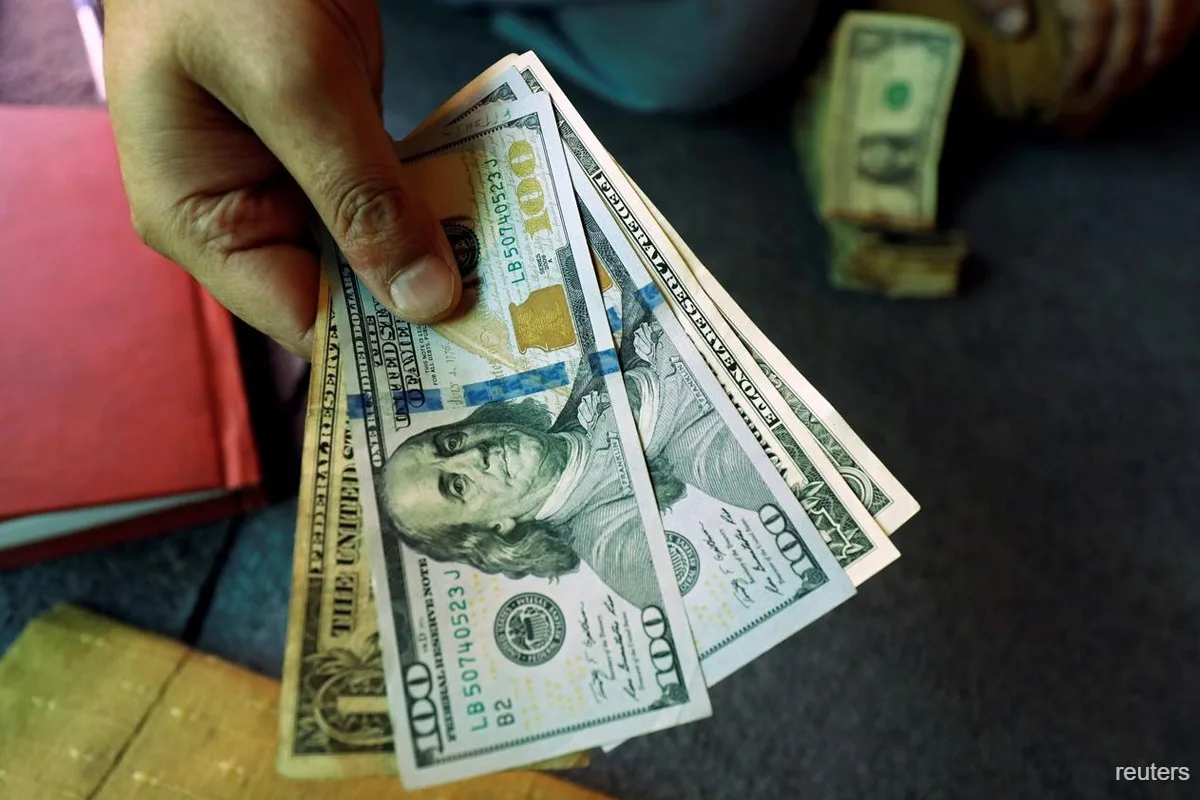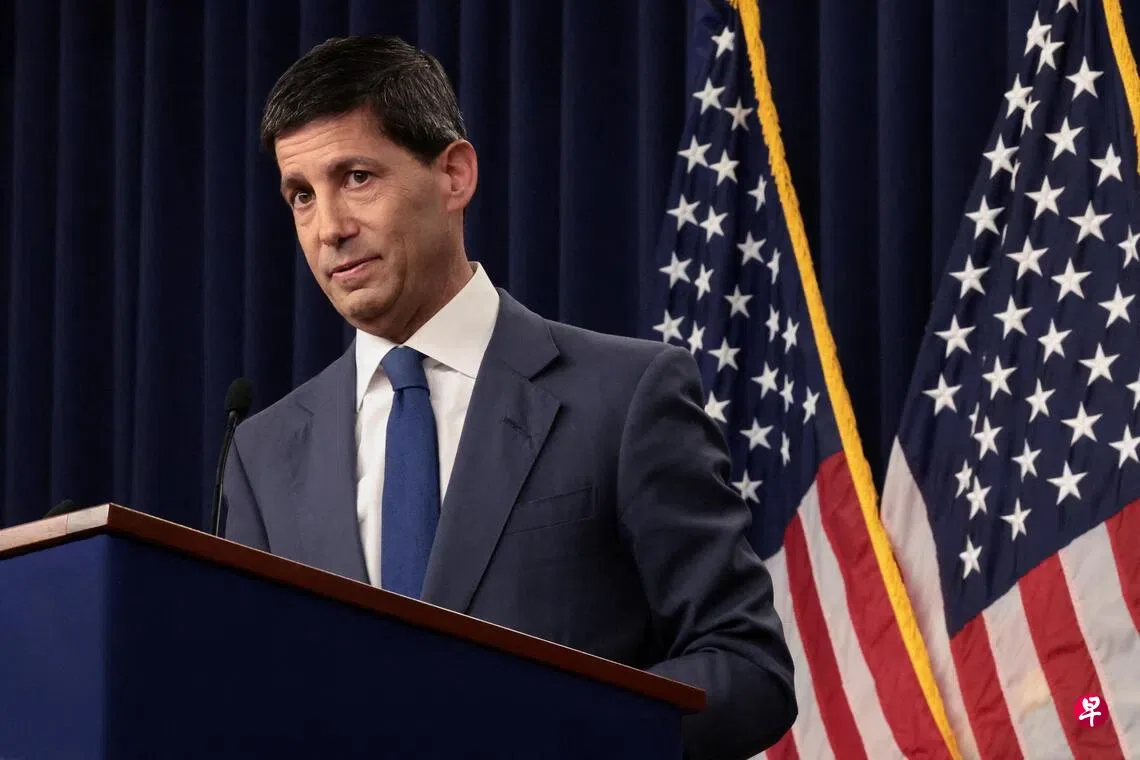
US Treasury Secretary Scott Bessent announced on August 19 that the Treasury would at least double buybacks of longer-dated securities to address high borrowing costs. The strategy, called "Treasury Twist," involves buying back long-term debt while increasing issuance of short-term debt to lower long-term borrowing costs and reduce fiscal pressure [1, 2, 3].
Following Bessent's announcement, the US dollar experienced its largest single-day decline in nearly three weeks on August 21. Hedge funds ramped up bearish bets against the dollar with accelerated selling activity in spot and forward markets, according to Barclays' Torsten Schoeneborn [1, 3]. However, some analysts argue the strategy's effects are limited and short-lived, given structural factors like the US debt exceeding $40 trillion, a fiscal deficit around 6% of GDP, plus inflation and market uncertainty continue to drive bond yields higher [2, 3].
US Treasury 30-year bond yields initially dropped after the buyback plan but soon rebounded, with 10-year yields near their highest levels since Bessent took office at about 4.73% by late August [2]. Despite market volatility, S&P 500 corporate earnings grew nearly 32% year-over-year as the earnings season neared its close [4].
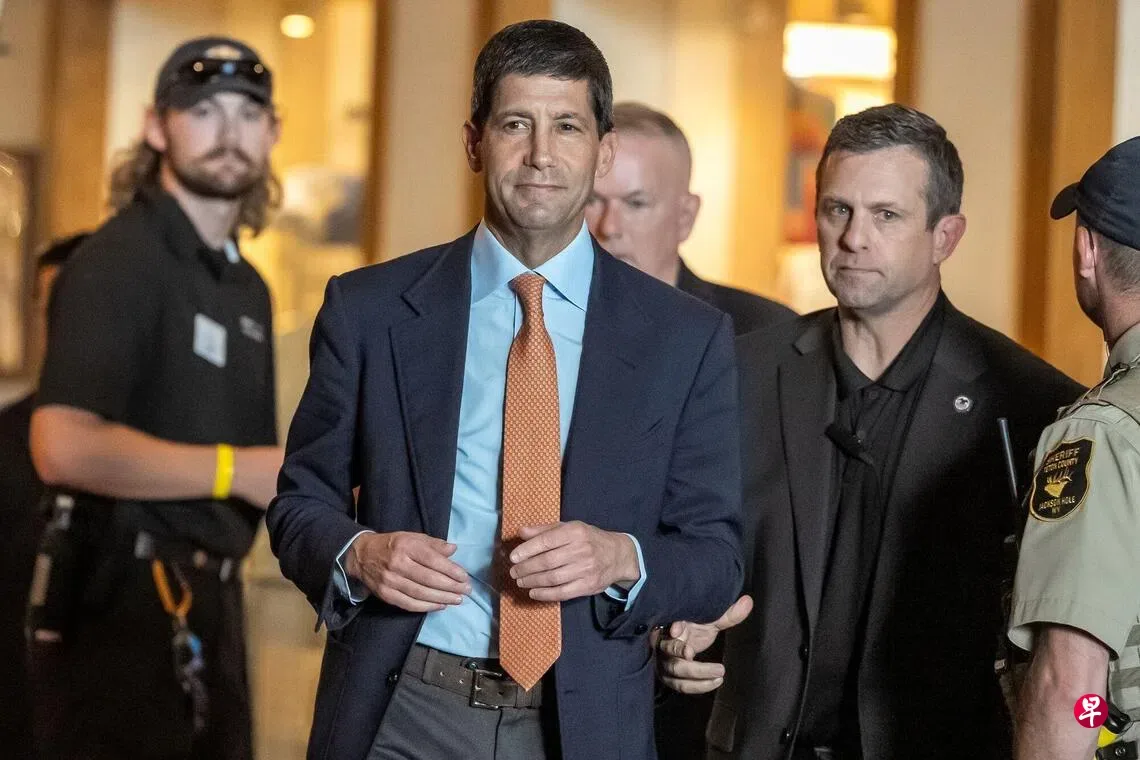
On August 28, Federal Reserve Chair Kevin Warsh delivered a hawkish speech at the annual Jackson Hole Symposium, emphasizing the Fed's focus on fighting inflation. Warsh stated, "My measure is: We must be confident that underlying inflation is moving clearly and fast enough toward our target. Otherwise, there's still work to do" and reiterated the possibility of further rate hikes if inflationary pressures persist [5, 4, 6, 7]. The market reacted strongly, pushing the probability of a September rate hike above 55.7% as reflected in CME FedWatch data [5, 7].
Following Warsh's remarks, the US dollar strengthened against major currencies, reversing earlier declines. US Treasury 2-year yields rose sharply to about 4.35-4.36%, while US equity markets declined, led by technology and small-cap stocks sensitive to interest rate increases [5, 4, 8]. Volatility also increased in options markets for currencies like the euro, Swiss franc, British pound, and Canadian dollar amid rising demand for dollar downside protection [3].
Market experts say Warsh’s speech was critical in shaping market direction on inflation and policy. Wharton Professor Jeremy Siegel suggested that "If Warsh clearly discusses which data the Fed cares about for policy decisions, the market could rally." Similarly, strategists at Bank of America noted that Warsh's comments could flatten the US Treasury yield curve and lift equities and the dollar if he reinforces the Fed’s anti-inflation credibility alongside Bessent's efforts [9, 10, 11, 12].
Nevertheless, concerns remain over ongoing inflationary pressures driven by rising commodity prices and strong demand in sectors such as artificial intelligence [6, 7, 2]. Some warn that if Warsh’s speech fails to clarify the Fed’s stance further, bond selling pressure could intensify [2, 9, 10, 11].
A key US consumer price index report for August is due on September 4 and will be closely watched for signals on the Fed’s next moves and the inflation trajectory [6].