The US Treasury announced it will expand its quarterly buybacks of long-term bonds from $2 billion to at least $4 billion per operation, effective September 9, 2026 [1, 2, 3, 4]. The first buyback under the larger program is scheduled for September 10 and will focus on 10- and 20-year Treasury securities [1, 2, 4].
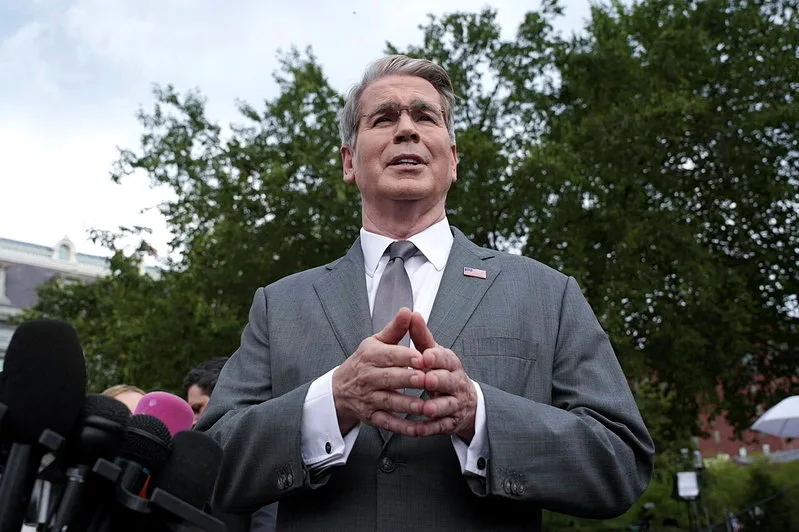
Treasury Secretary Scott Bessent confirmed on August 24 that no bonds have yet been purchased under the expanded buyback plan. He said, "We haven’t bought a single bond yet" and reaffirmed the Treasury's commitment to continue regular auctions of both short- and long-dated bonds without reducing issuance or altering its debt management strategy in the near term [1, 5, 2, 3, 4].
The Treasury is considering using funds from its Treasury General Account (TGA) at the Federal Reserve, which held roughly $935 billion to $940 billion in mid-August 2026, to help finance the buybacks [6, 5, 2, 3, 4]. Using TGA cash could reduce the need to issue short-term debt but would lower government cash reserves that pay for daily operations like salaries and debt interest [1, 6, 2, 3, 4]. Morgan Stanley estimates $80 billion to $200 billion of the Treasury’s cash could be considered "excess" and potentially available for larger buyback efforts, though no commitments have been made [5, 3].
Following the announcement of the program's expansion on August 19, 10-year and 30-year Treasury yields fell briefly before mostly reversing those declines [1, 2, 4]. Market experts remain skeptical that buybacks, even with TGA funding, can meaningfully reduce long-term yields amid ongoing fiscal deficits, inflation pressures, and large financing needs [6, 2, 3, 4]. Citadel Securities’ Nohshad Shah cautioned that "blocking Treasury prices from falling further does not remove the underlying pressure, but just forces the market to repricing through other assets," adding that politically suppressing yields could weaken the dollar and raise inflation risks [2].
The expanded buyback program is expected to continue through at least November 4, 2026, with an estimated seven buyback operations planned over that period [2, 3, 4]. Treasury officials have not specified how much of the TGA funds will be used or the exact timing for any purchases from those reserves [6].