The Hong Kong government announced on August 17 that it has successfully cut the time required for environmental impact assessments (EIAs) from 36-48 months to 15-24 months by deploying artificial intelligence technology within the Environmental Protection Department [1].
The rollout includes a first batch of 30 AI projects spanning 13 government departments. These projects cover areas such as transport licensing, food business licensing, leisure facilities, environmental hygiene, complaint handling, and environmental protection [1, 2, 3].
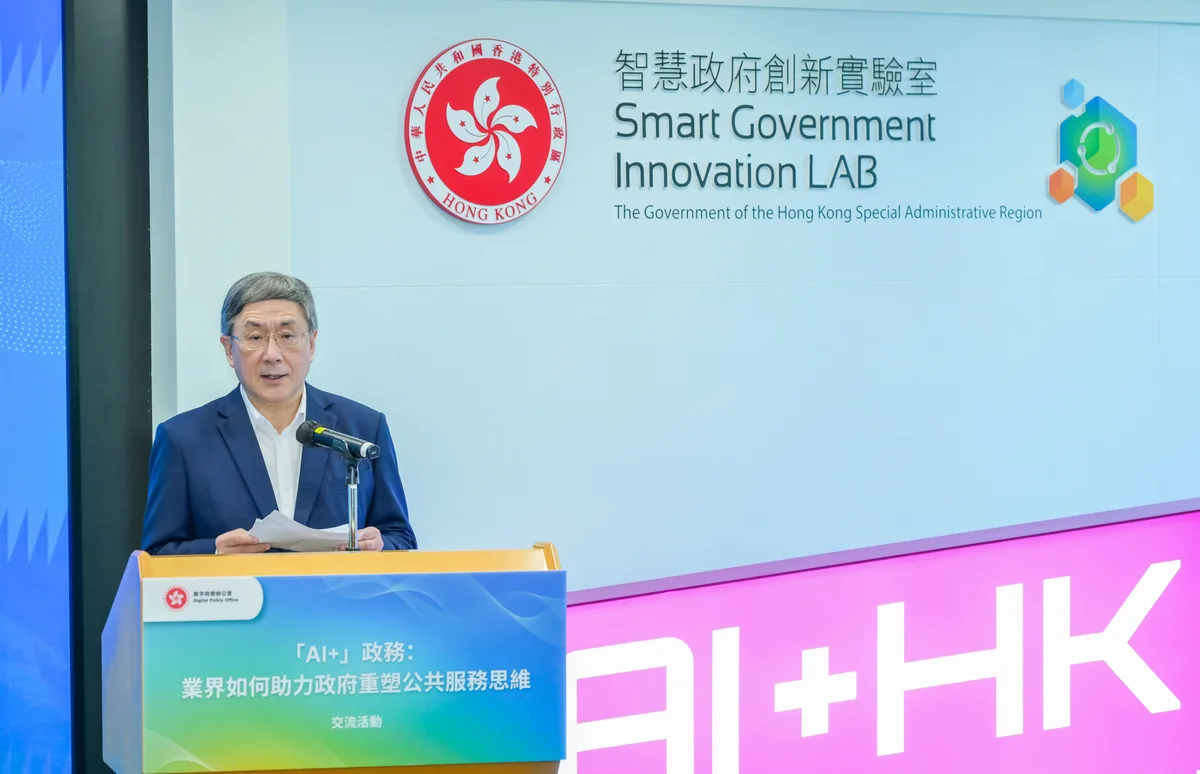
Some services have seen processing and waiting times reduced by as much as 90 percent. Deputy Chief Secretary Warner Cheuk Wing-hing, who chairs the AI Efficacy Enhancement Team, confirmed that "the adoption of AI had reduced processing and waiting times for some public services by up to 90 per cent" [1].
The AI Efficacy Enhancement Team was established in mid-2025 to coordinate AI adoption efforts and improve government workflow and public service efficiency [2, 3]. Cheuk said the first batch of projects showed great potential for cross-departmental AI implementation, noting that while departments have different functions, many tasks are similar. These include online booking, license application, review and assessment, query response, and environmental monitoring [2, 3].
He added that if an AI application succeeds in one department, the related experience, technology, and deployment model would be scaled and adapted for use by other departments [2, 3]. The government plans to continue expanding AI applications and discover additional use cases to enhance operational efficiency and service quality for residents and businesses [2, 3].
The accelerated EIA process, supported by AI tools, marks a significant step in streamlining environmental regulation in Hong Kong. The government will monitor the progress of these AI initiatives and further scale successful models across departments in the coming months.