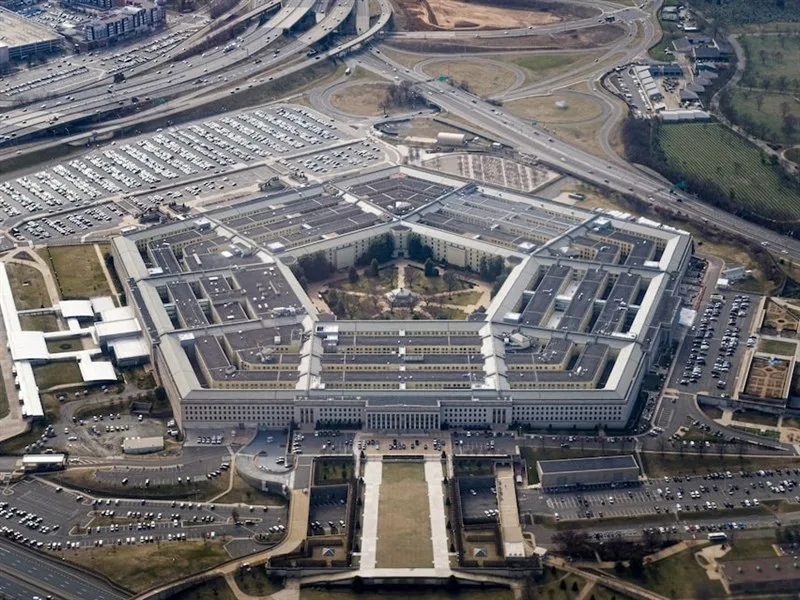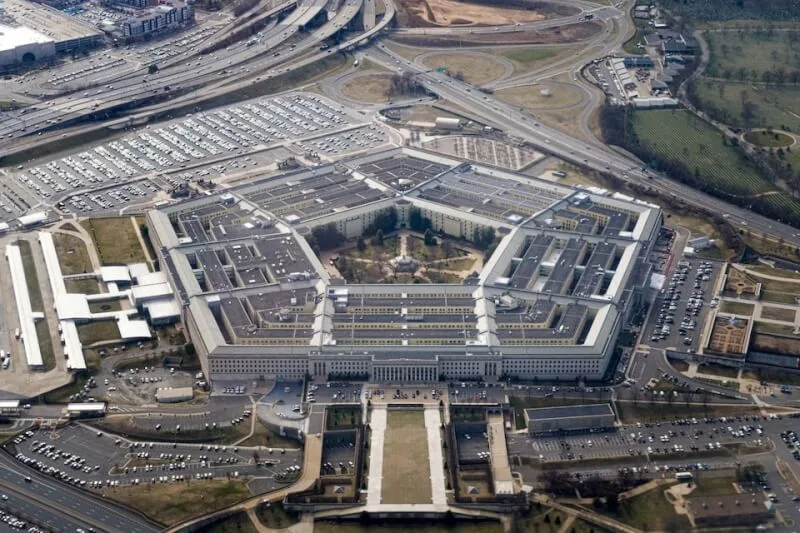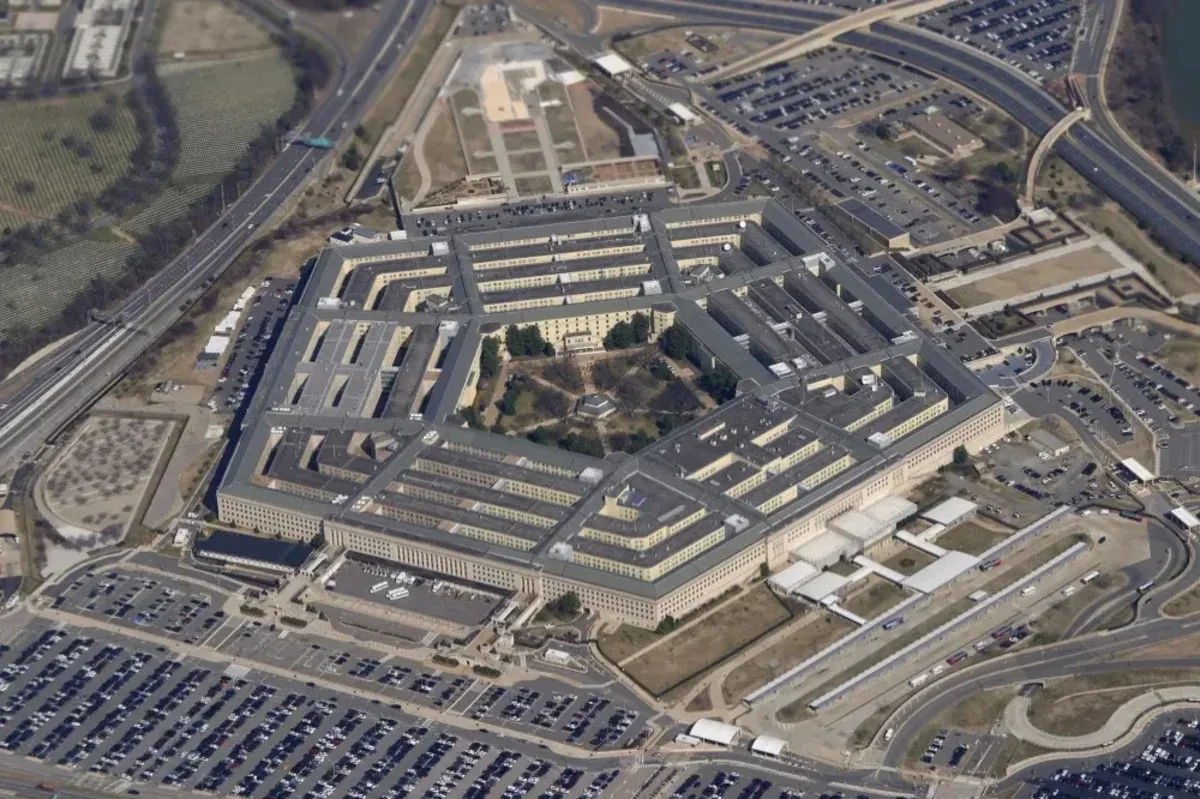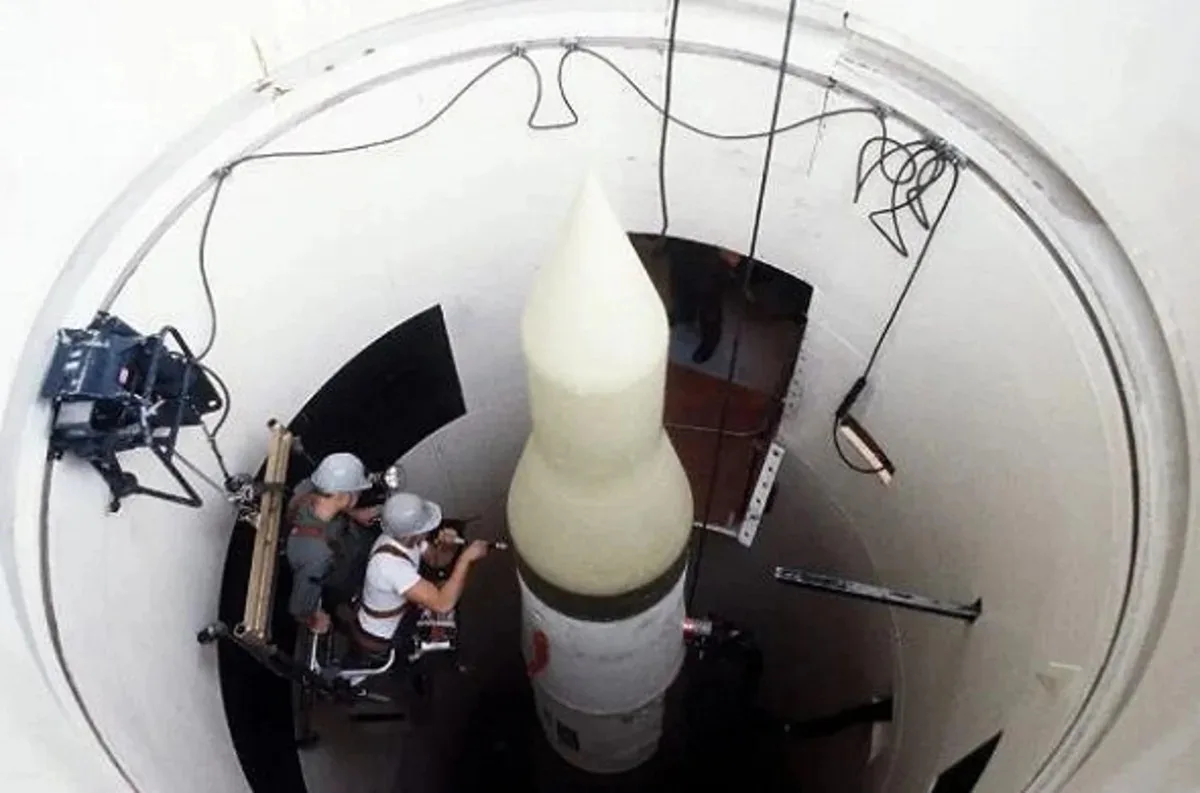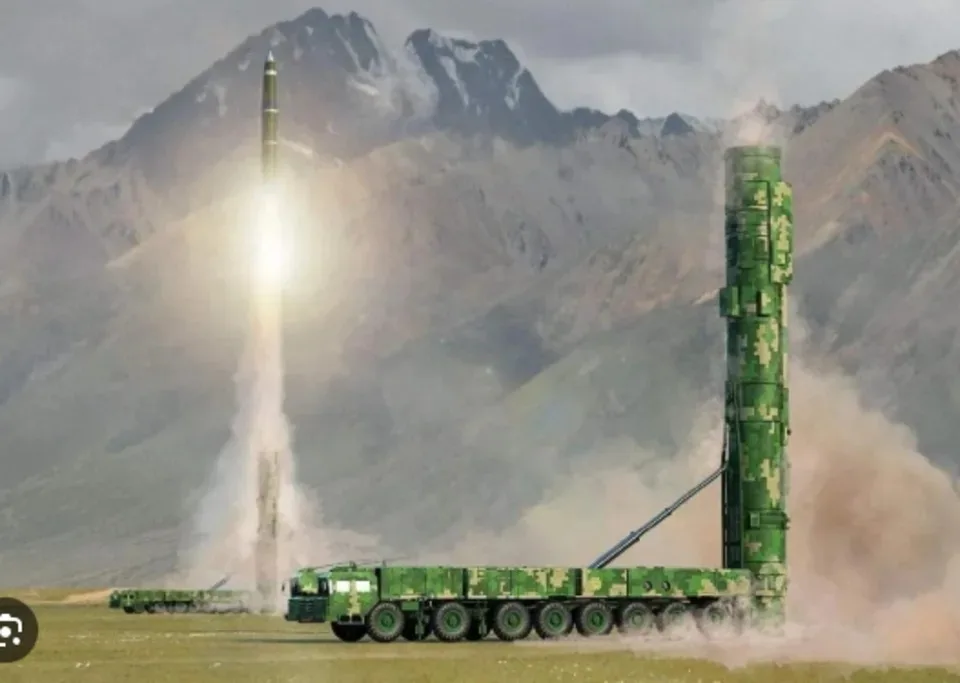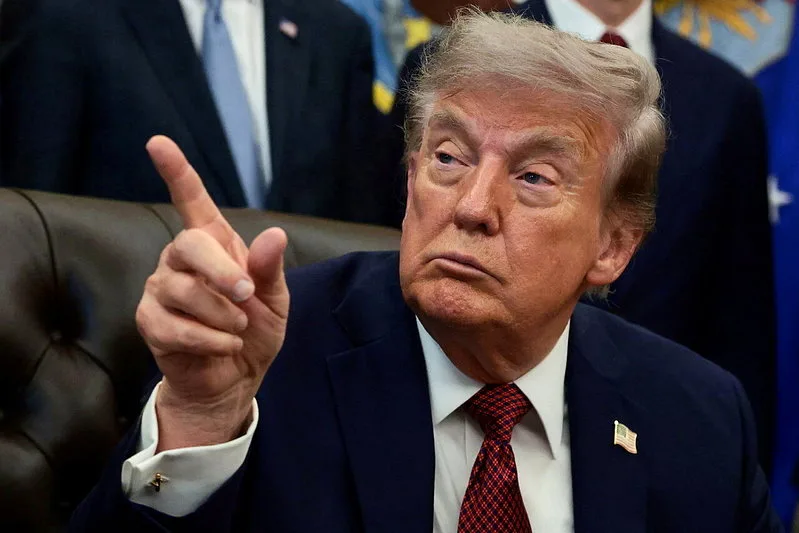
The Pentagon is drafting a new nuclear strategy aimed at expanding the US President’s options to deploy short-range tactical nuclear weapons during potential regional conflicts against China or Russia, sources confirm [1, 2, 3, 4]. The plan is led by Elbridge Colby, Deputy Assistant Secretary of Defense for Policy, who focuses on raising the profile of tactical nuclear weapons while decreasing reliance on long-range strategic forces [1, 2, 5, 3, 4].
A senior Pentagon official emphasized the need for credible nuclear options, stating, "我們的立場是必須擁有可恃的核選項" [1]. This approach intends to give the President practical and credible means to respond to attacks on US allies without escalating immediately to full-scale nuclear war [1, 2, 3, 4]. Tactical nuclear weapons, designed for battlefield or regional use, have shorter delivery ranges targeting military objectives but still cause devastating damage and radioactive fallout [1, 2, 5, 3, 4].
Supporters argue that expanding tactical nuclear options strengthens deterrence and reduces the risk of conflict escalation [1, 2, 3, 4]. However, critics warn that lowering the threshold for using such weapons could increase the chance of uncontrolled conflict and full nuclear war [1, 2, 5, 3, 4]. Russian expert Dmitry Trenin warned, "If the US finalizes this new nuclear strategy and deploys more tactical nuclear weapons in Europe and Asia, tensions will increase significantly, and conflicts could become global" [5].
Chinese military expert Zhang Junshe described the US strategic shift as "naked nuclear coercion," criticizing the renewed focus on tactical nuclear use in regional conflicts [5]. Russia reportedly holds about 2,000 tactical nuclear warheads, maintaining a significant advantage over the US in this domain [1, 2, 3, 4]. Meanwhile, China is rapidly expanding and modernizing its nuclear arsenal, posing a "dual peer nuclear challenge" to the US [1, 2, 3, 4].
The expiration of the New START treaty roughly six months ago left a gap in arms control and verification between the US and Russia. The treaty never covered tactical nuclear weapons, creating further uncertainty [1, 2, 3, 4].
NBC reported on August 5 that the Pentagon’s new nuclear strategy draft focuses on tactical nuclear weapons under Colby’s leadership [5]. The Pentagon’s effort highlights a shift toward more flexible, limited nuclear options designed to strengthen deterrence amid growing nuclear challenges from China and Russia [1, 2, 3, 4].