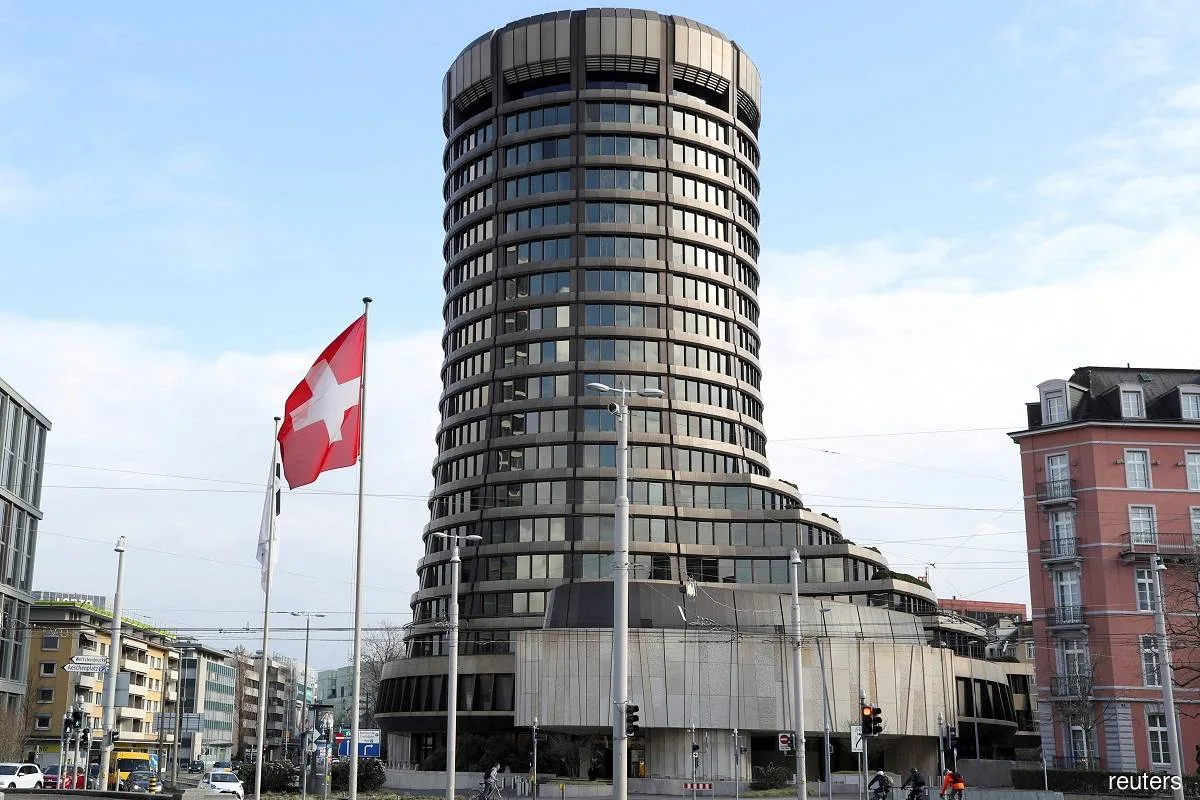
The Bank for International Settlements (BIS) released its 2026 Annual Economic Report on June 28, 2026, highlighting several mounting risks to the global economy [1, 2, 3, 4]. It identified four key pressure points: renewed inflation partly driven by Middle East conflicts and supply disruptions; a booming but potentially unsustainable AI investment surge; elevated financial vulnerabilities; and rising public debt that forces central banks into a difficult balancing act [1, 2, 3, 4, 5, 6].
BIS cautioned that enthusiasm for artificial intelligence investments may be outpacing actual business returns. This gap could trigger abrupt financing withdrawals, credit market stress similar to the 2008 financial crisis, and a wider economic slowdown [3, 4, 7, 8]. The report described complex “closed-loop” financing in the AI sector, where cloud providers and chipmakers hold equity tied to long-term contracts. Such arrangements create risks of multiple pledges of the same assets and low transparency [3, 9].
Five major hyperscale cloud providers are expected to invest over $1 trillion in AI-related capital expenditure between 2025 and the end of 2026, underscoring the scale of the investment wave [4, 7, 10, 11]. Historical examples like the 1830s canal mania and 1990s internet bubble illustrate the dangers of capital flows exceeding returns, BIS noted [4, 7]. A burst AI investment bubble would likely impact credit markets, employment, corporate credit conditions, and household wealth that is increasingly exposed to tech stocks [4, 7, 10].
Renewed inflation pressures partly stem from lingering Middle East conflicts. The February 28 US-Israel airstrikes disrupted the Strait of Hormuz shipping lane, leading to energy supply bottlenecks and higher prices [1, 2, 12, 5, 6]. While recent US-Iran ceasefire progress is positive, the full economic impact remains uncertain [1, 3, 12].
Elevated asset valuations and complex debt-equity structures add another layer of financial vulnerability. Rising public debt constrains monetary policy as central banks must balance controlling inflation with managing government borrowing costs [1, 2, 5, 8]. Pablo Hernandez de Cos, BIS General Manager, said, "If central banks observe that inflation expectations are becoming unanchored, they must be ready to act immediately" [1]. Andrea Maechler, BIS Deputy General Manager, urged, "Central banks must be fully independent to defend the fundamental public interest of price stability and confidence in money" [5].
Andrea Maechler warned, "While each of these risks alone may still be manageable, if they occur simultaneously, they could amplify one another and threaten financial stability" [2]. Frank Smets, BIS Deputy Head of Monetary and Economic Department, added, "This new link between sovereign and financial stability means sovereign bond valuations face more frequent and more intense declines" [8]. Pablo Hernandez de Cos stressed coordinated policy: "Policy actions must reinforce each other to avoid a pull and push on the global economy" [1].
Markets reacted swiftly. On June 29, 2026, semiconductor and technology stocks showed volatility aligned with BIS warnings about reassessing the sustainability of AI investments [7, 8, 10, 9].
The BIS report calls for central banks and policymakers to act decisively and coordinate fiscal, monetary, and regulatory measures to maintain economic and financial stability [1, 2].