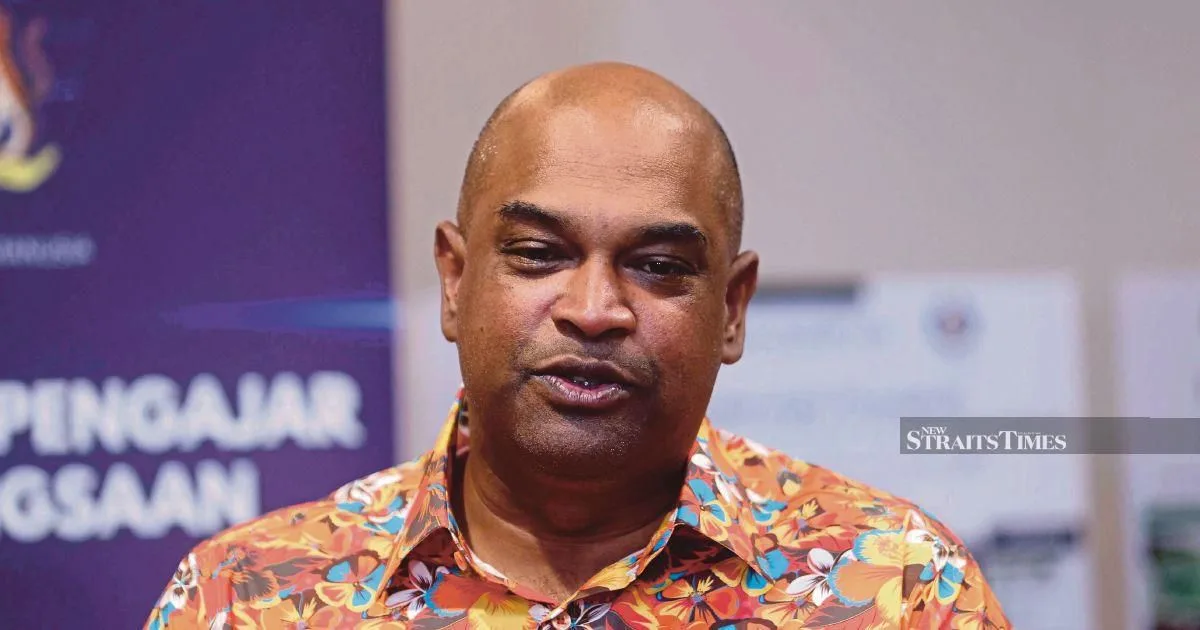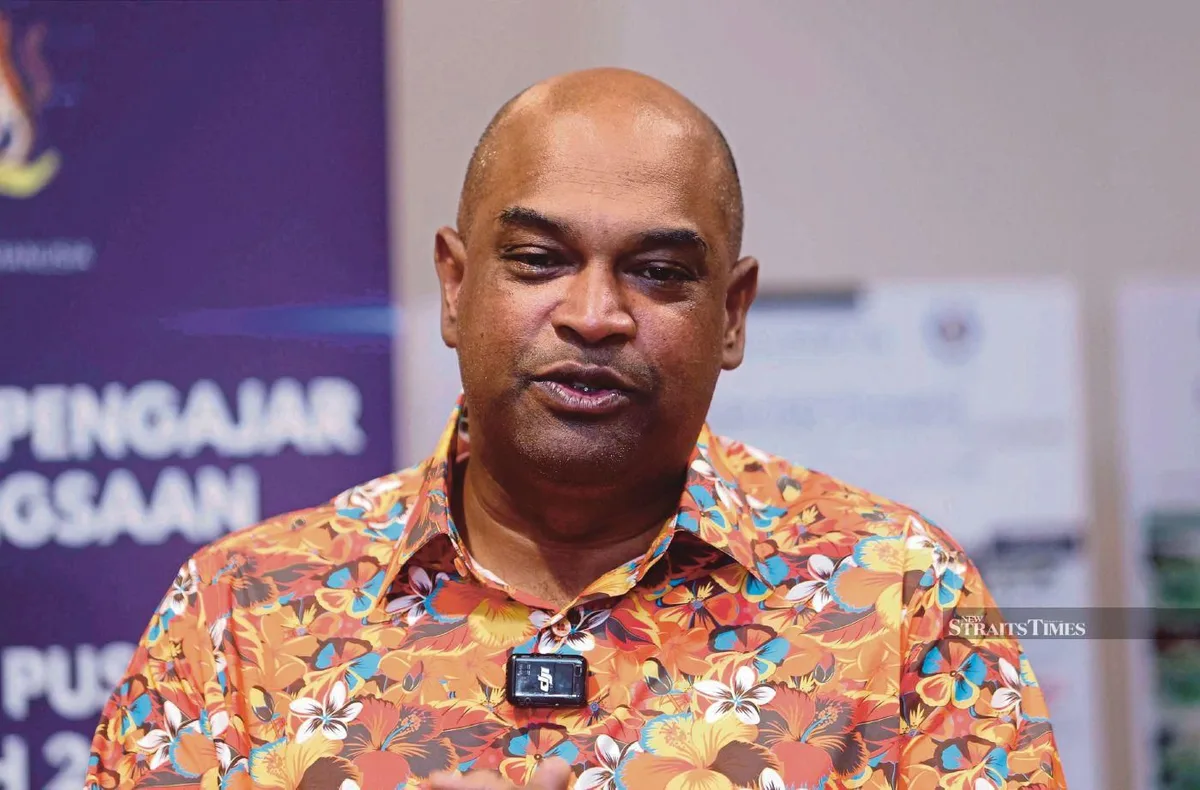
The Malaysian government is reviewing the RM1,700 monthly minimum wage, which took effect in August 2025, to decide whether to keep or raise it [1, 2, 3]. Human Resources Minister Datuk Seri R. Ramanan said the review considers multiple economic and labor indicators including Poverty Line Income, median wage, Consumer Price Index, labor productivity, and unemployment rate [1]. "The review took into account key indicators, including the Poverty Line Income and median wage, to assess workers' basic needs and employers' ability to pay," he said [1].
The minimum wage is reviewed every two years across peninsular Malaysia, excluding domestic helpers and apprentices [1, 2, 3]. No specific study on a living wage has been conducted by the Human Resources Ministry, but Bank Negara Malaysia introduced the concept in 2018, estimating RM2,700 as the living wage for a single individual in Kuala Lumpur [1, 2, 3]. The minister noted, "Bank Negara introduced the concept of a living wage in 2018, estimating, for example, that a living wage in Kuala Lumpur was RM2,700 for a single individual" [1].
More detailed data on living expenses comes from the Department of Statistics Malaysia’s Decent Living Expenditure measure, which accounts for location, demographics, and actual household spending patterns. "The Decent Living Expenditure introduced by the Department of Statistics Malaysia was more granular, taking into account location, demographics and actual household spending patterns," said Ramanan [1].
The government's 13th Malaysia Plan includes labor reforms aimed at accelerating wage adjustments through minimum wage reviews that consider living wages [1, 2, 3]. To complement minimum wage policies, the Progressive Wage Policy encourages pay based on skills and productivity [1, 3]. To date, 5,910 employers have applied to the Progressive Wage System, and 4,025 or 68.1% have increased wages and claimed government incentives [1]. Ramanan said, "5,910 employers had applied to participate in the Progressive Wage System, of which 4,025, or 68.1 per cent, had increased their workers' wages and submitted claims for government incentives" [1].
The Progressive Wage initiative has benefited 51,363 workers, exceeding the initial target of 50,000 [1, 3]. The government has paid more than RM73 million in progressive wage incentives, including RM10.2 million for entry-level and RM62.9 million for non-entry-level workers. "The government had disbursed more than RM73 million in progressive wage incentives, comprising about RM10.2 million paid for entry-level workers, while RM62.9 million was channelled to non-entry-level workers," Ramanan stated [1].
Final approval of the minimum wage review rests with the National Wages Consultative Council, which includes the Gig Economy Consultative Council [2, 3]. Media reports on August 18 confirmed the ongoing status of the review and that a decision is pending [2, 3].