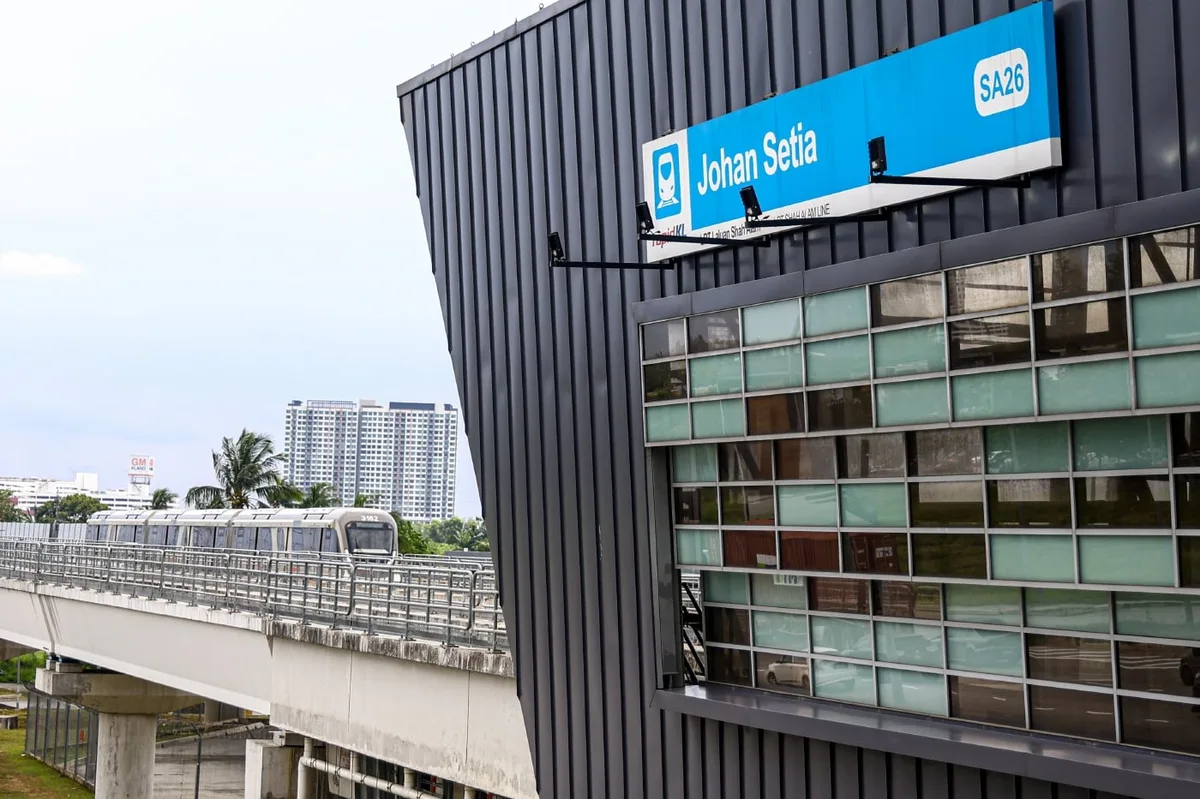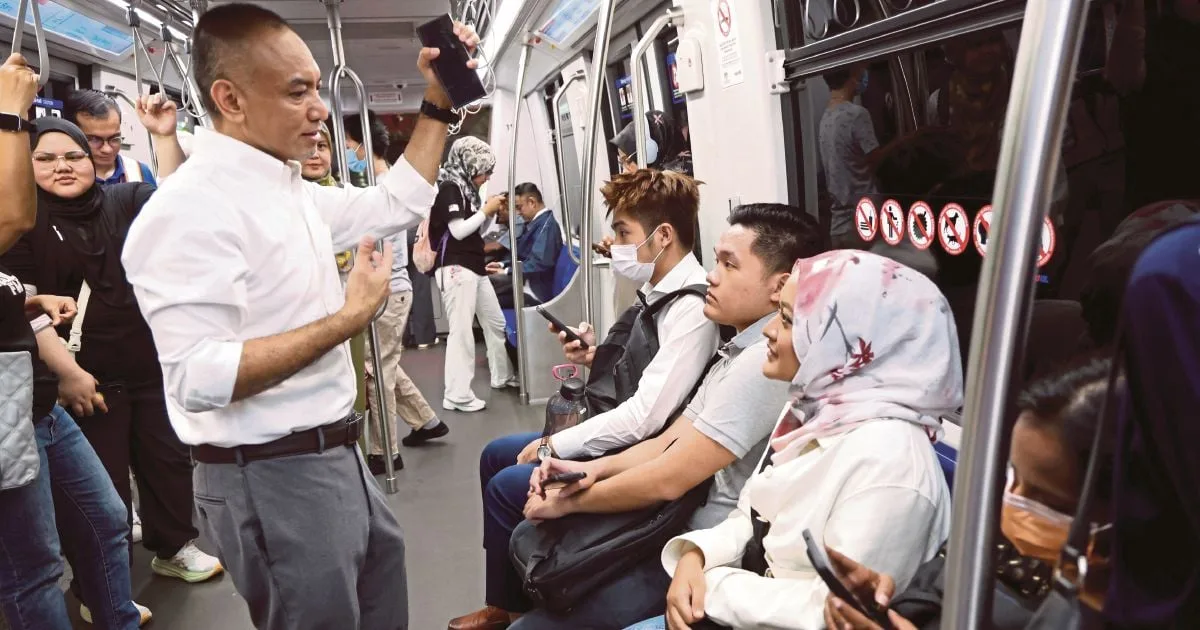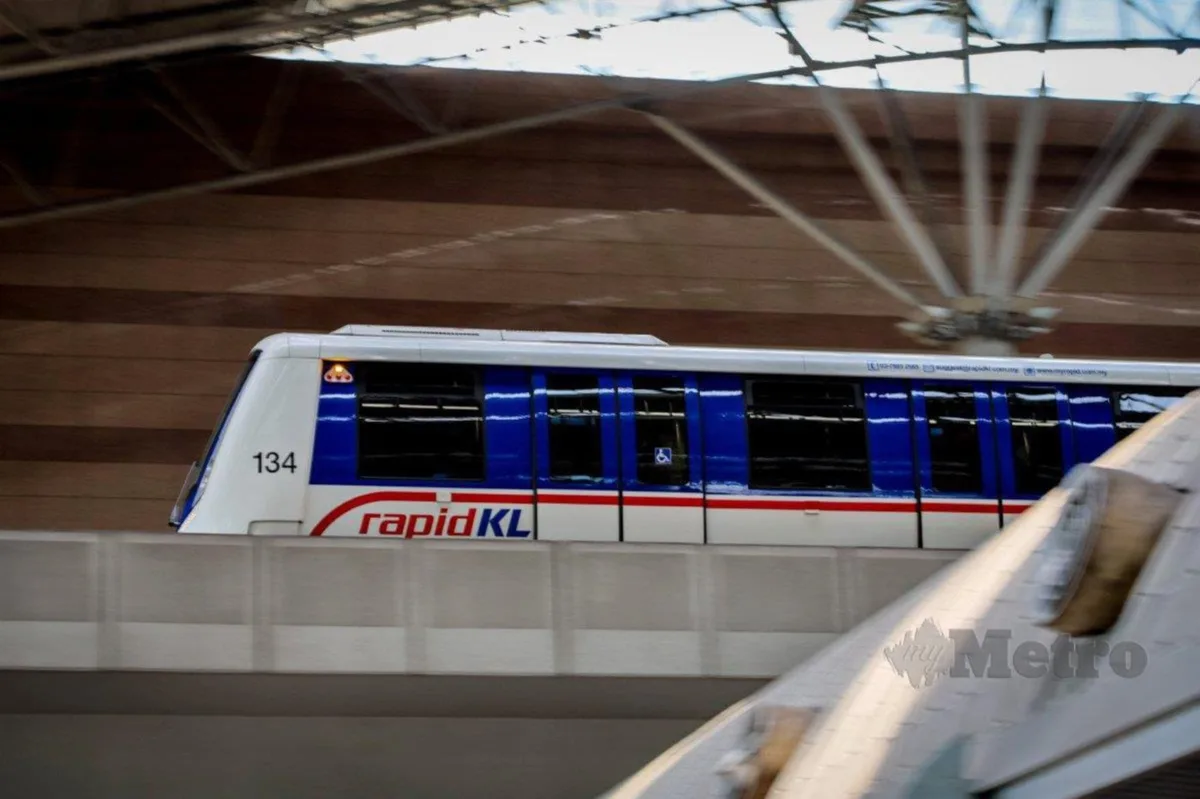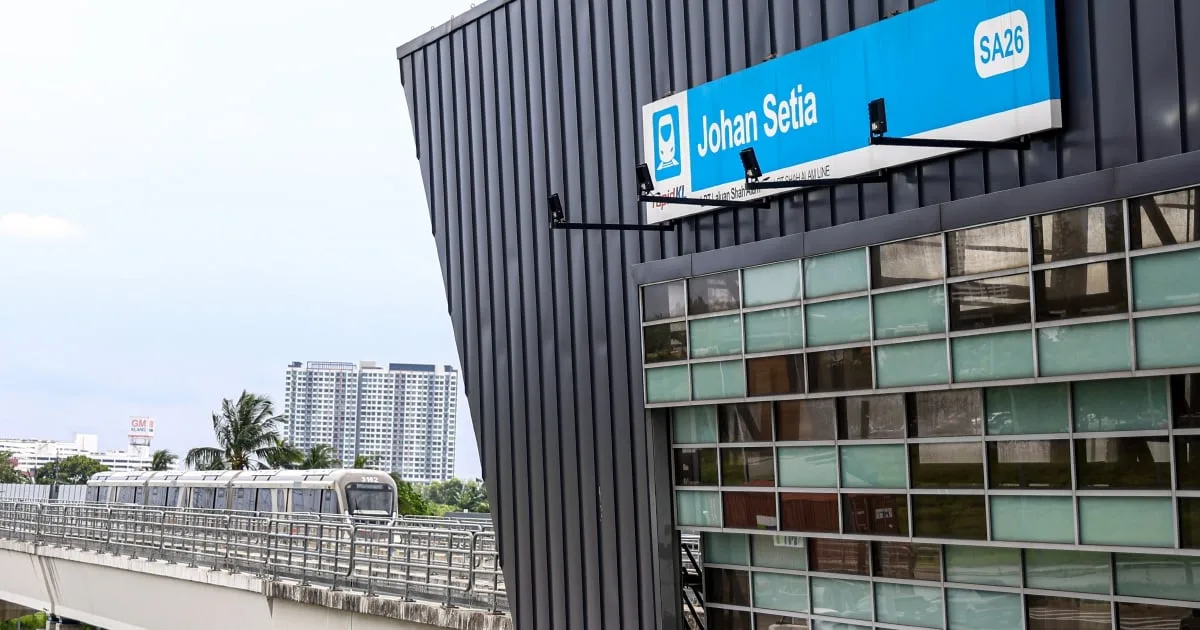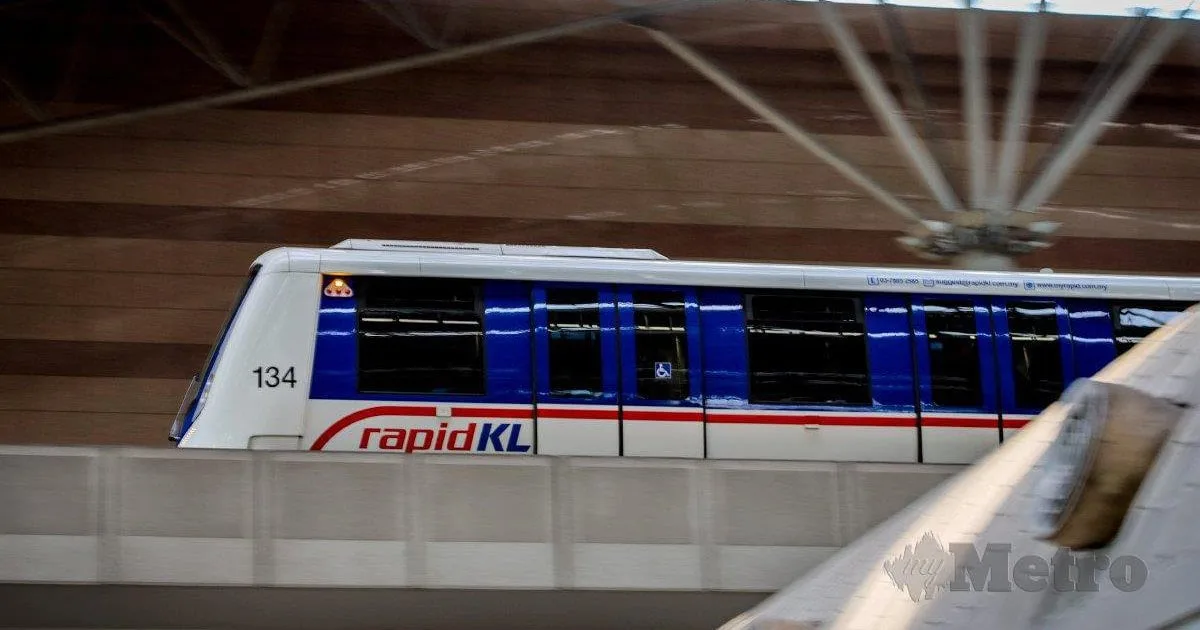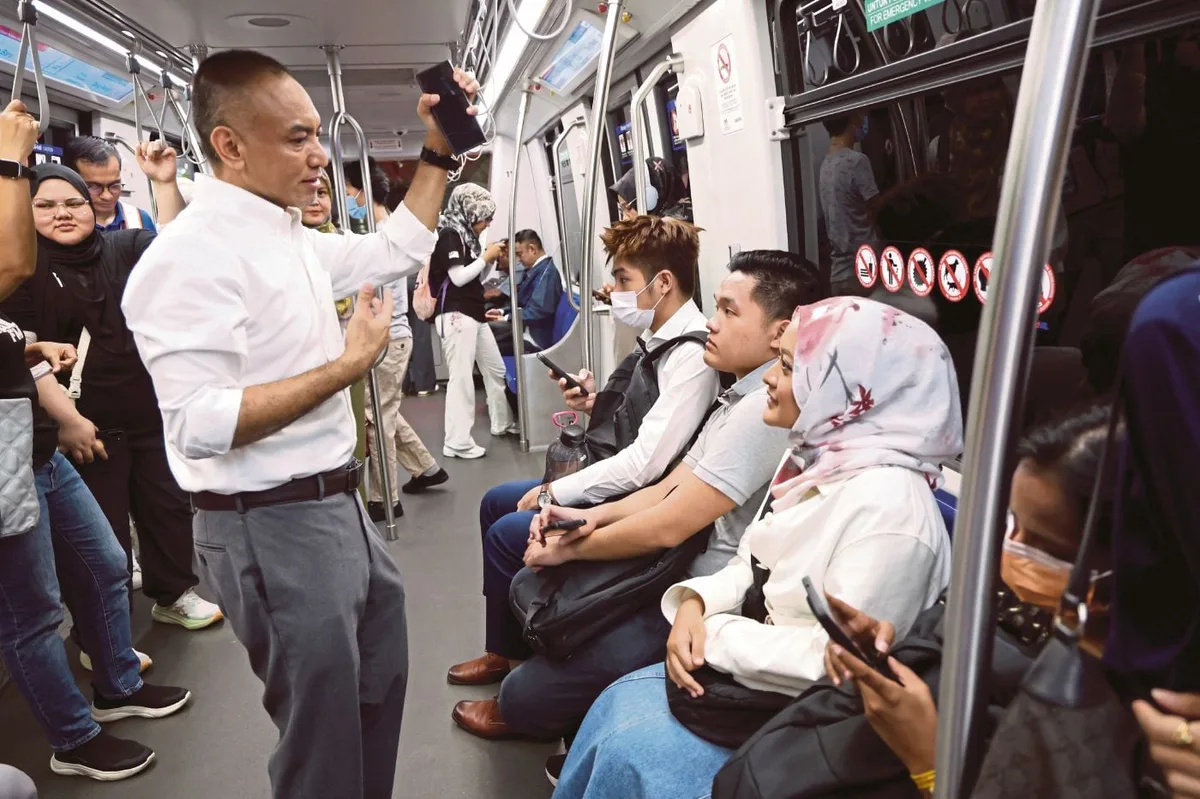
Malaysia’s LRT3 Shah Alam Line, spanning 37.8 kilometres with 20 stations from Bandar Utama to Johan Setia, was officially launched by Prime Minister Datuk Seri Anwar Ibrahim on June 28, 2026 [1, 2, 3]. About two million residents along the corridor are expected to benefit from the new light rail transit line.
The line features key stations including Bandar Utama, Kayu Ara, BU 11, Damansara Idaman, Subang, Glenmarie 2, Kerjaya, Stadium Shah Alam, Dato' Menteri, UiTM Shah Alam, Seksyen 7 Shah Alam, Bandar Baru Klang, Pasar Klang, Jalan Meru, Jambatan Kota, Taman Selatan, Seri Andalas, Klang Jaya, Bandar Bukit Tinggi, and Johan Setia [1, 2, 3]. Passengers can enjoy seamless transfers to the Kajang Line at Bandar Utama and the Kelana Jaya Line at Glenmarie 2. Shah Alam Line chief Mohd Ariffin Idris said, "Passengers will enjoy seamless transfers ... with connections to the Kajang Line at Bandar Utama and to the Kelana Jaya Line at Glenmarie 2" [1].
Supporting the rail service, 40 feeder buses run on 13 routes with 323 stops charging RM1 per ride from 6 a.m. to 11:30 p.m. Additionally, 44 Rapid On-Demand vans serve 20 zones at RM2 per trip during the same hours [1, 2, 3]. Parking is provided with 2,300 bays across six stations: Kayu Ara, Damansara Idaman, Pasar Besar Klang, Sri Andalas, Bandar Bukit Tinggi, and Johan Setia [1, 2, 3].
Prasarana Malaysia Bhd has set a target of 67,000 daily passengers within the first year, with ridership expected to grow to about 117,708 daily within five years [1, 2, 3]. Currently, peak-hour train intervals range from 7.5 to 8 minutes, and off-peak wait times fall between 10 and 15 minutes [4, 5, 6]. The government has approved 7 additional train sets to be added by 2028, raising the fleet from 22 to 29 trains to reduce waiting times as demand grows [4].
The Shah Alam Line incorporates green technology, including inverter-based air conditioning, smart cooling, and station designs that maximize natural airflow and daylight to lower energy use [1, 2, 3]. Accessibility features include wheelchair ramps, disability-compliant toilets, and reserved seating for persons with disabilities in every carriage [1, 2, 3].
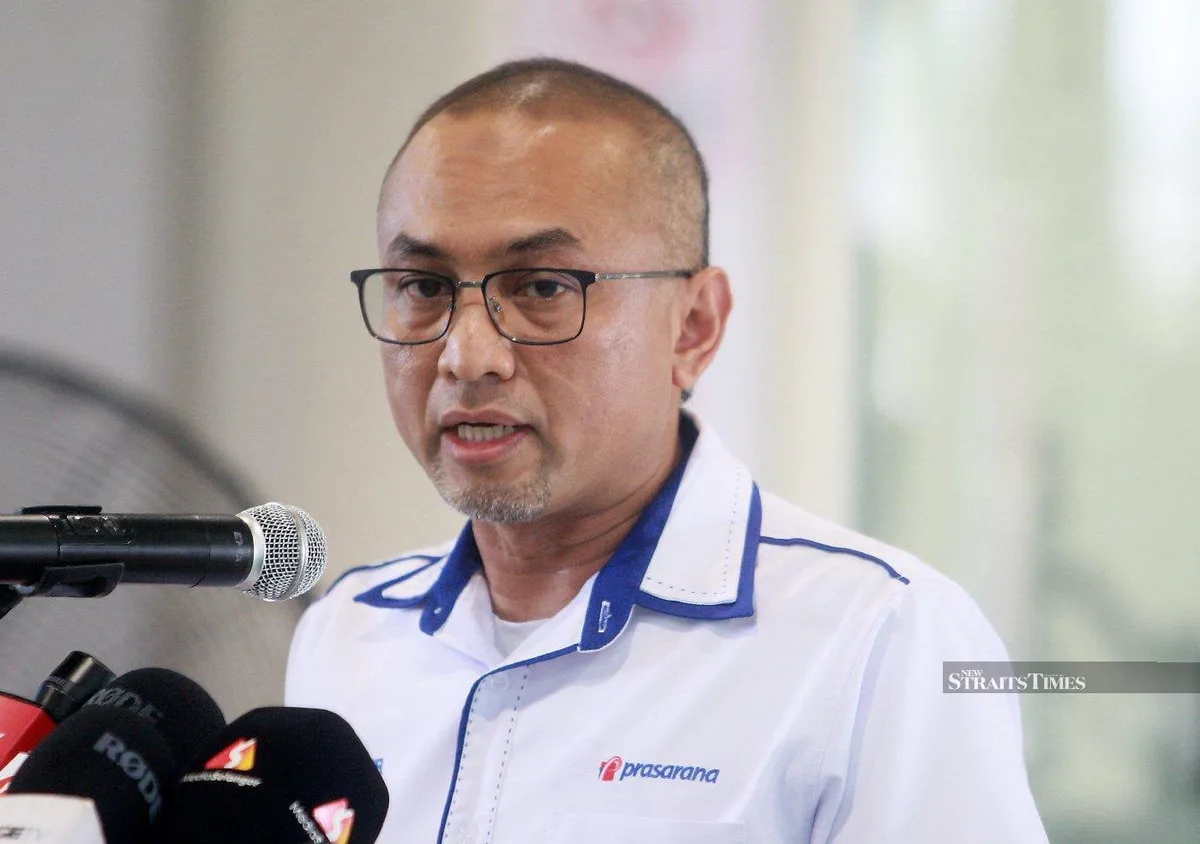
On June 29, the first day of operation, the LRT3 ran smoothly with only minor feeder bus issues. Prasarana CEO Amir Hamdan said, "So far, everything appears to be under control. During peak hours, the headway is around eight minutes, and operations as well as station facilities are functioning well" [5]. He added there are no immediate plans for women-only coaches, pending surveys on usage patterns [7, 5].
Shortly after opening, safety concerns arose over incomplete pedestrian walkways near some stations. The Selangor government instructed Prasarana and developers to finish missing walkways urgently, especially at Dato' Menteri Station where works must be completed within two months. Selangor Local Government Committee chairman Datuk Ng Suee Lim stated, "We went down to inspect the site and identify the issues... we have instructed Prasarana to complete the works at Dato’ Menteri Station within two months" [8]. Shah Alam City Council confirmed pedestrian walkway conditions were required in planning approvals from 2019 [9].
A separate incident on June 30 involved a "small explosion" sound on the Kelana Jaya Line at Taman Jaya station caused by a thin external wire melting after contacting the power supply system. Rapid KL stated, "Investigations found a thin wire, not part of the train or track components, which had melted at the location and was believed to have come into contact with the power supply system, causing the incident." The affected train was withdrawn safely with no injuries or damage to infrastructure [10, 11, 12].
Prasarana has approved plans to rebuild five stations—Tropicana, Raja Muda, Temasya, Bukit Raja, and Bandar Botanik—with construction expected to begin by the end of 2026 [3]. The Platform Automatic Gate System will be installed on about 70% of Shah Alam Line platforms, extending safety measures used on other lines [4].
The LRT3 Shah Alam Line aims to enhance public transit connectivity and provide safer, more comfortable travel to millions in the Klang Valley.