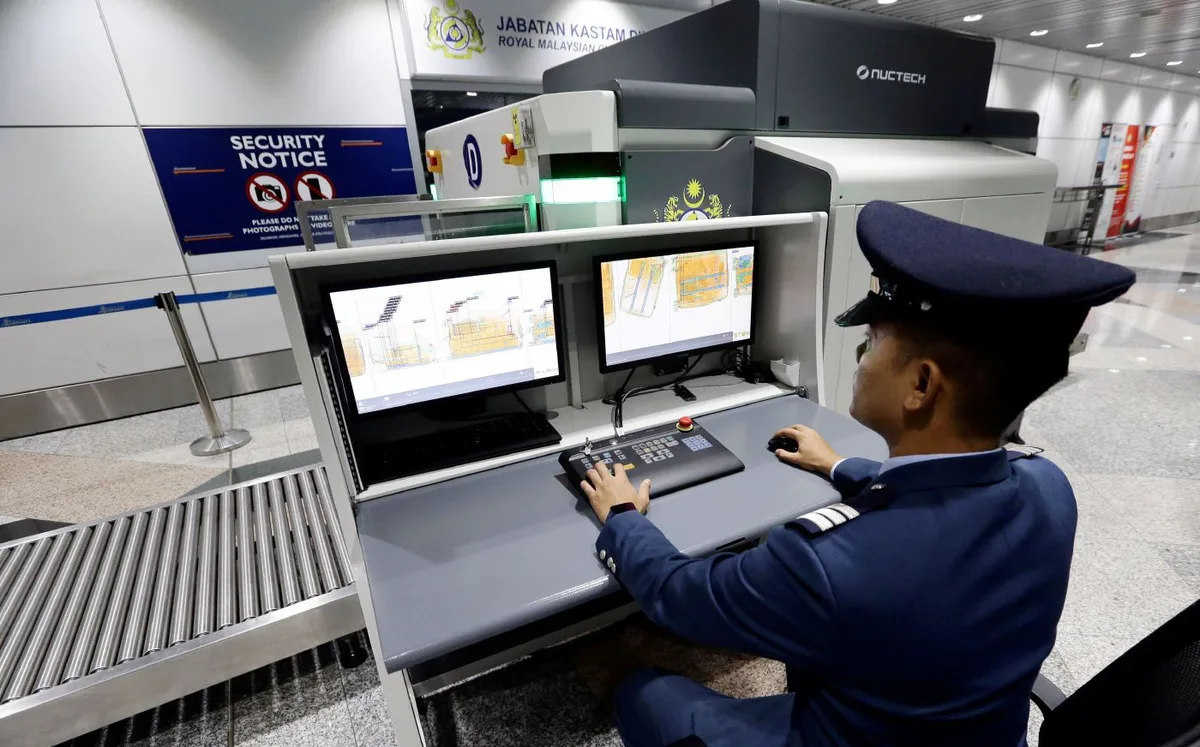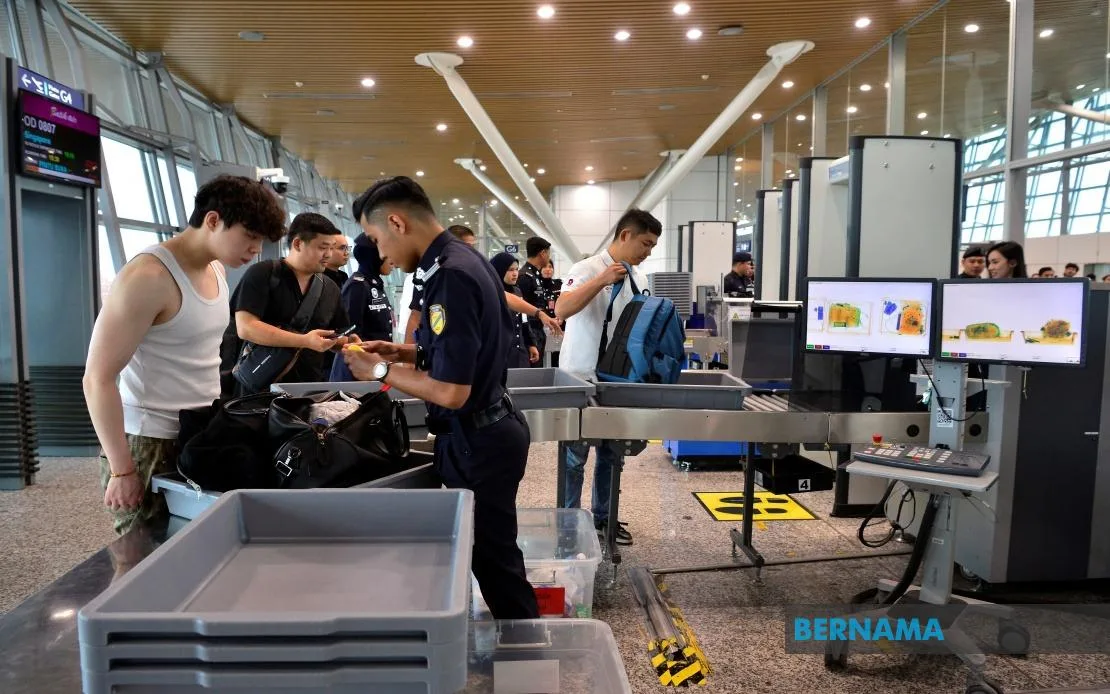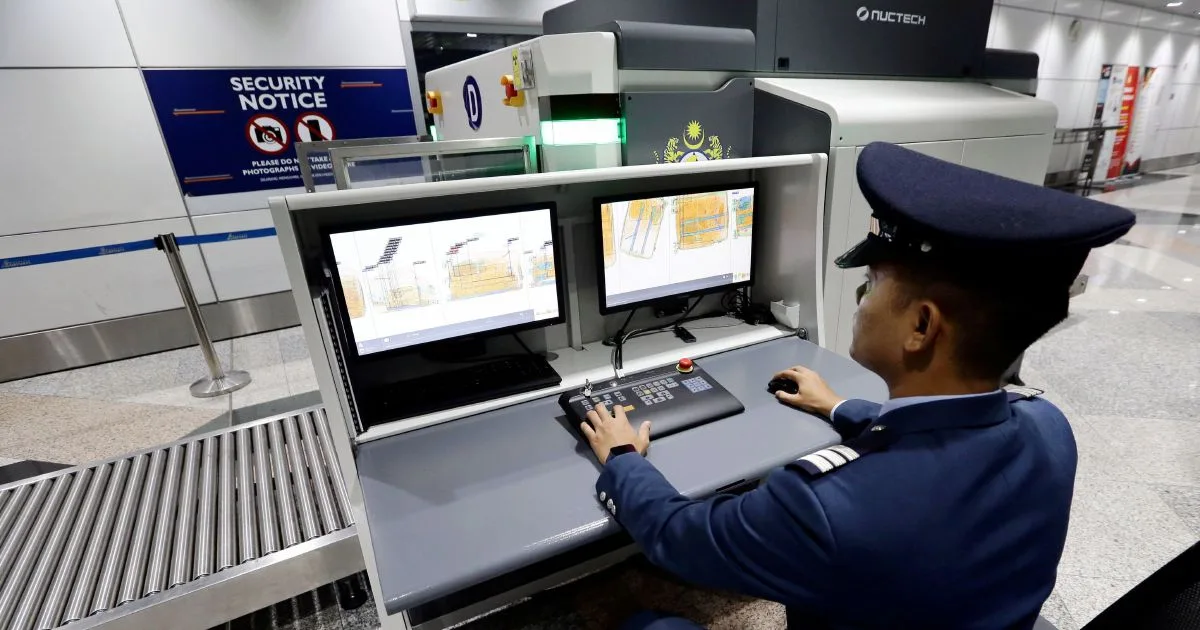
The Malaysian government announced plans to review and potentially upgrade baggage scanning machines at airports nationwide to strengthen security after a pilot drug smuggling incident came to light [1, 2, 3, 4, 5, 6].
About one week before today, a Malaysian pilot was arrested in Jakarta following the seizure of approximately 25 kilograms of MDMA-type drugs, including 70,000 ecstasy pills and methamphetamine, at Soekarno-Hatta International Airport in Indonesia [1, 2, 3, 4, 6].
Home Minister Datuk Seri Saifuddin Nasution Ismail said Malaysia’s current airport scanners, including those at Kuala Lumpur International Airport (KLIA), have a high technical capability to detect contraband such as drugs and weapons. "This is a contraband incident. It is not a shortfall in terms of scanning machines," he stated. He explained that screening protocols currently prioritize weapons like firearms and explosives over contraband items, creating gaps in drug detection [1].
Saifuddin highlighted the importance of the expertise of officers operating the scanners, noting, "This is an area for improvement, particularly in terms of the expertise of officers conducting the checks" [1, 5].
He also emphasized openness to new technology, saying, "Are we going to remain static with the existing machines going forward? Certainly not, because there are various types of equipment available for airport entry-point screening that are far more advanced and have greater capabilities. We are always open to ideas on adopting all types of new equipment" [4].
Baggage screening at KLIA is conducted by the Aviation Security (AVSEC) team assisted by auxiliary police from Malaysia Airports Holdings Berhad (MAHB), following International Civil Aviation Organisation (ICAO) standards [1, 2, 3, 4, 6].
Recent incidents involving Malaysians at airports have raised concerns about potential vulnerabilities in screening systems [3, 4, 5]. The Cabinet has instructed the Home Ministry and Transport Ministry to submit a comprehensive improvement plan within two weeks addressing security operations, equipment, and manpower [3, 4, 5].
Home Minister Saifuddin and relevant agencies will hold a special meeting tomorrow, August 10, to discuss a comprehensive plan to improve KLIA security controls and implement necessary measures [3, 4, 5].