A 39-year-old Malaysian second officer was arrested on July 29 at Soekarno-Hatta International Airport in Indonesia for carrying 70,114 ecstasy pills, weighing about 25 kg, along with 4 grams of methamphetamine in his luggage after arriving from Kuala Lumpur on flight MH727 [1, 2, 3, 4, 5, 6]. The drugs seized were valued at approximately RM45 million [1, 2, 3, 4, 5, 6]. Indonesian police reported the co-pilot was allegedly promised RM50,000 to transport the drugs to Jakarta, where they were to be collected by another individual from a hotel [1, 2, 3, 4, 6].
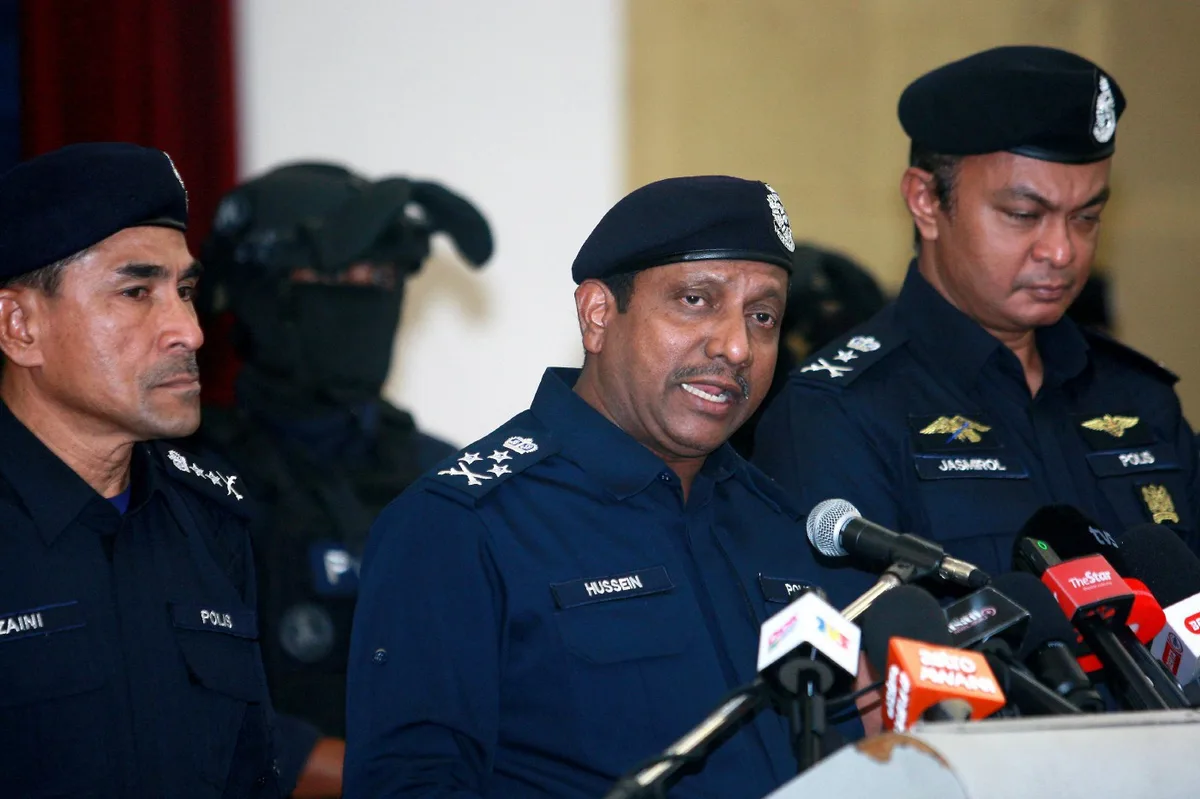
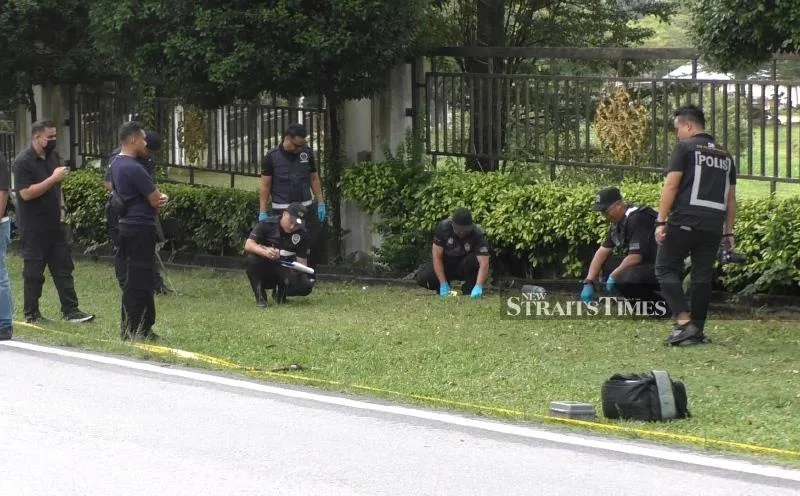
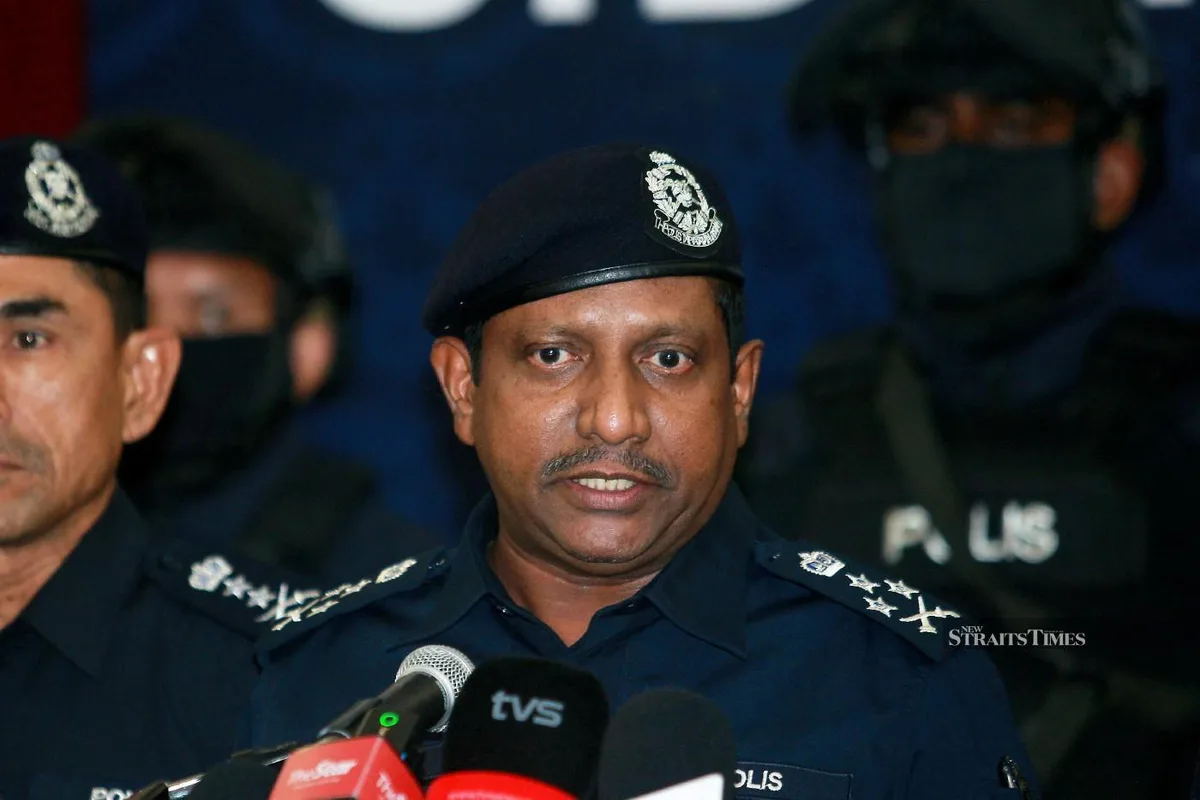
Malaysian National Crime Investigation Department (NCID) officers conducted questioning of the co-pilot in Jakarta from August 11 to 15 [2, 3, 5, 6]. Following intelligence and investigation, six Malaysian men aged 23 to 50 were arrested between August 20 and 28 in a special operation coordinated by the Royal Malaysian Police's JSJN unit [1, 2, 3, 5, 6]. Datuk Hussein Omar Khan confirmed four of the six suspects attempted to flee Malaysia after learning of the arrest: two fled to Thailand and two to Vietnam. They were detained when they returned to Malaysia by ferry through Kuah, Langkawi, Kedah, and by flight at Penang International Airport [1]. All six are suspected to be couriers and suppliers linked to the co-pilot's drug syndicate, playing roles as higher-level 'upline' and lower-level 'downline' members in the distribution network [2, 3, 5, 6].
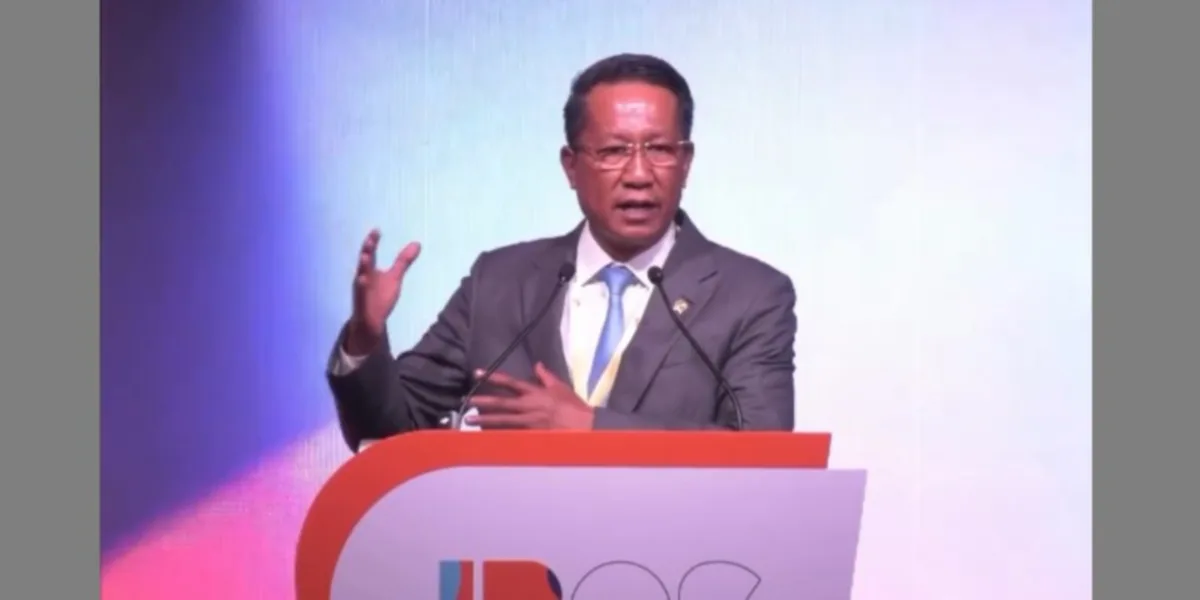
The suspects remain detained under the Dangerous Drugs (Special Preventive Measures) Act 1985, which allows detention up to 60 days for investigation [1, 2, 3, 5, 6]. Malaysian authorities said they will share investigation information with the Indonesian National Police (POLRI) [1, 2, 3, 5, 6]. Indonesia’s Justice Minister Supratman Andi Agtas said the legal proceedings have been handed over to Indonesian police after initial customs inquiries and investigations are ongoing [4].
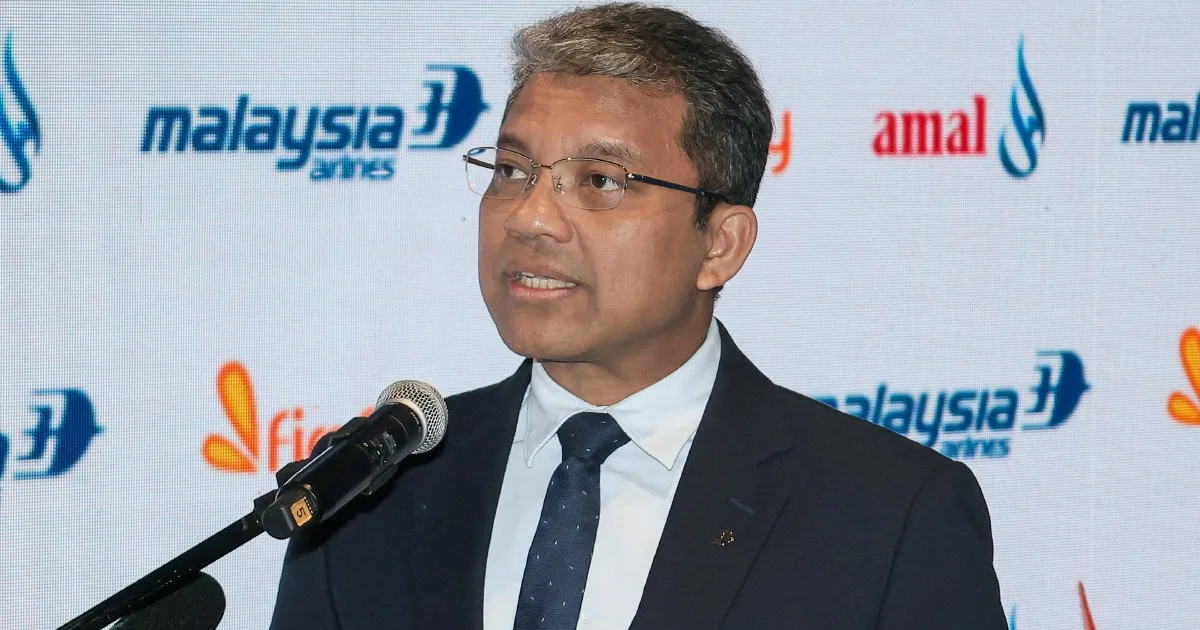
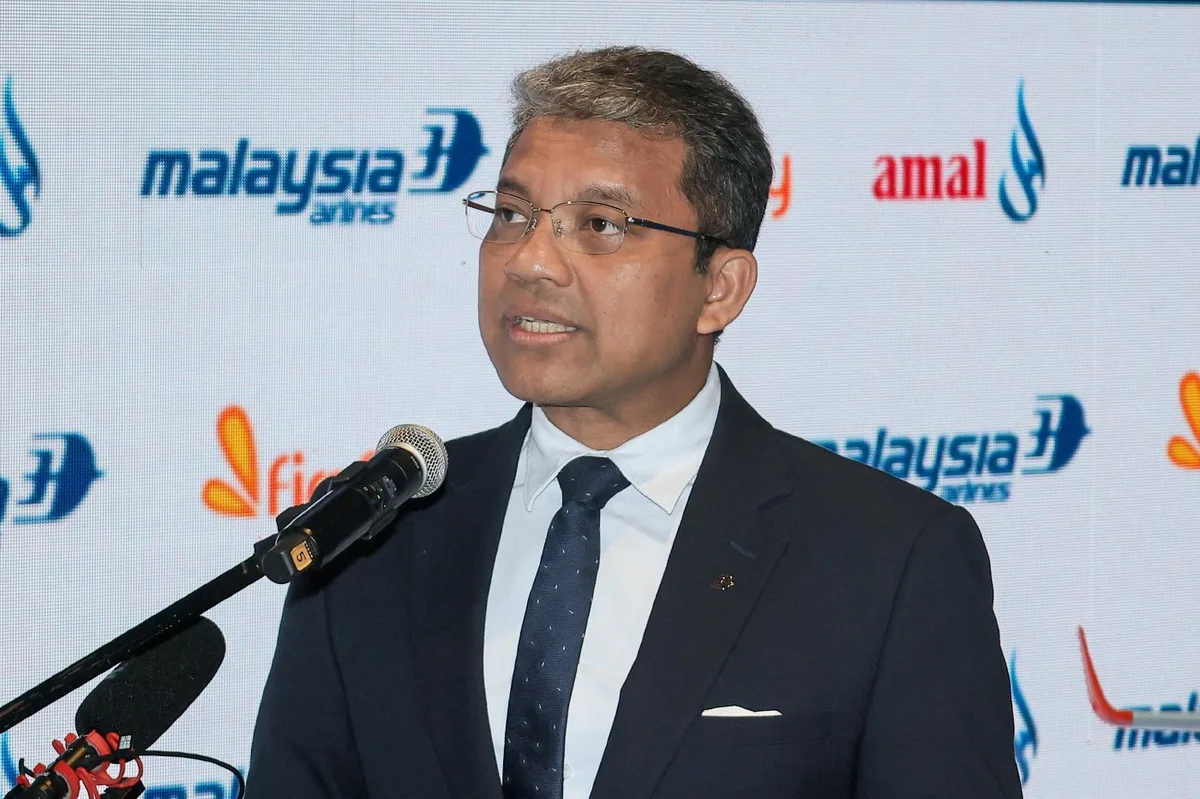
Separately, Malaysia Aviation Group (MAG) has completed drug screenings for over 1,500 pilots including Firefly crews by mid-August 2026, and as of today 98.8% of Malaysia Airlines cabin crew have undergone screenings, with all tests returning negative [7, 8, 9]. MAG announced drug testing will become an annual mandatory process. Captain Nasaruddin A Bakar said, "Safety requires discipline in every decision we make, the standards we set and how we respond when something does not go as planned," and confirmed random tests will continue frequently [7, 8]. The arrested co-pilot reportedly tested positive for methamphetamine, ecstasy, and cocaine while travelling in the jump seat as a passenger [8].
MAG also noted ongoing operational challenges including fuel price volatility, which accounts for nearly 40% of operating costs, and each US$1 increase in fuel price raises costs by about RM50 million [7, 9].