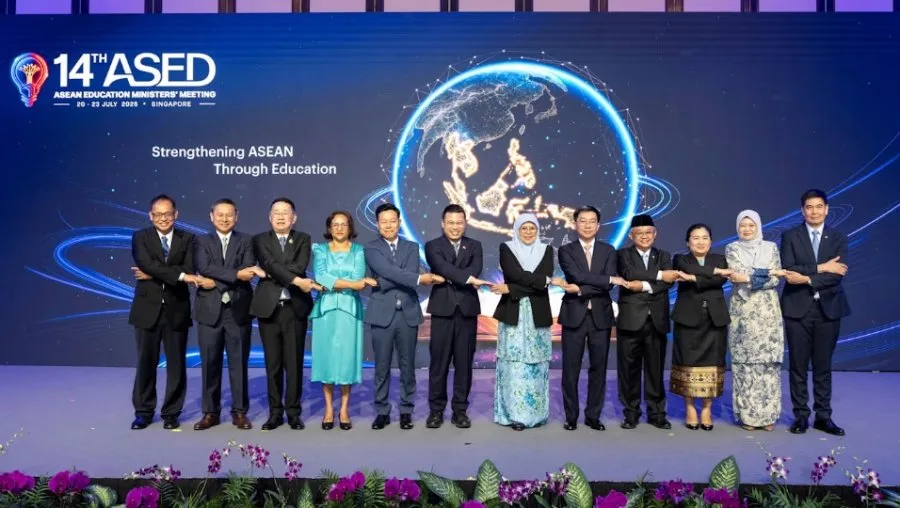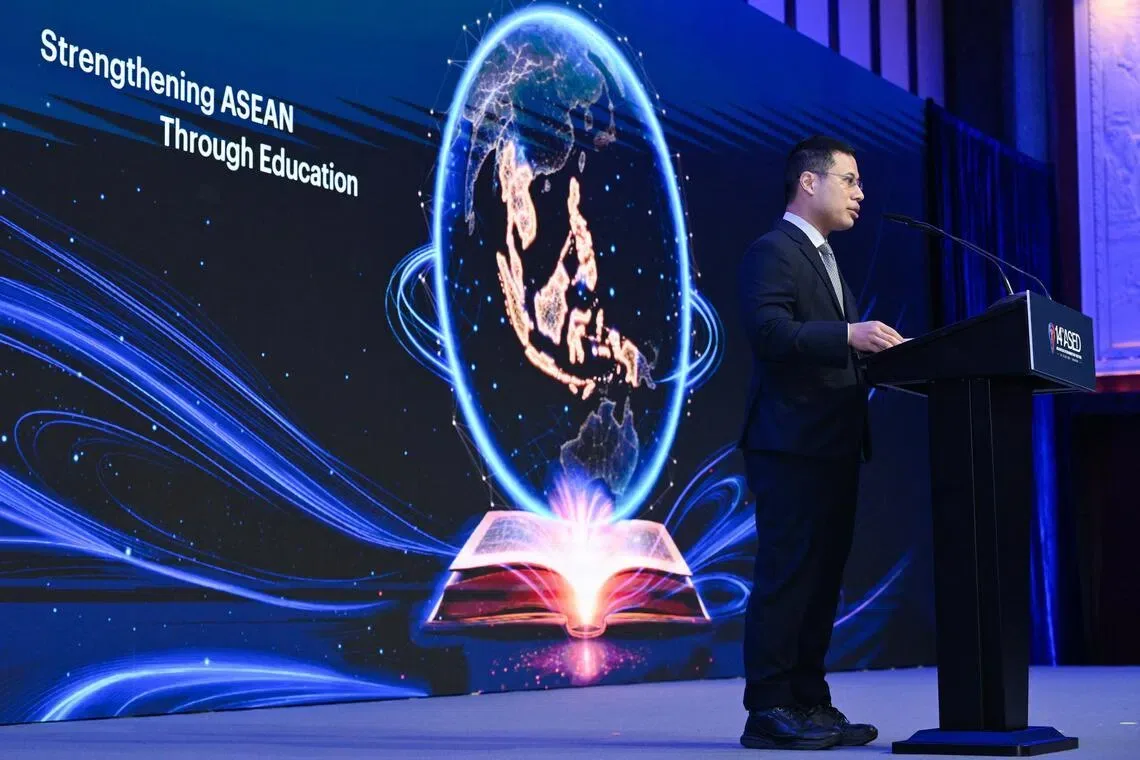
ASEAN launched its Work Plan on Education for 2026 to 2030 on July 22 at the 14th ASEAN Education Ministers' Meeting held in Singapore [1, 2, 3, 4]. Singapore's Education Minister Desmond Lee announced the plan during the meeting, marking Singapore’s role as ASEAN Education Chair for 2026 to 2027, and host of the 8th ASEAN Plus Three and 8th East Asia Summit Education Ministers’ Meetings from July 22 to 23 [1, 2, 3, 4].
The work plan sets six clear goals: ensuring fair access to education, enhancing job relevancy, supporting student learning and well-being, improving policy and governance, fostering collaboration, and building a stronger shared ASEAN identity [1, 2, 3]. Desmond Lee highlighted three key priorities — the adoption of safe and responsible Artificial Intelligence in education, a focus on Science, Technology, Engineering and Mathematics (STEM), and promoting holistic student development — aimed at preparing education systems for a changing geopolitical and economic environment [1, 2, 3, 4].
"The work plan reflects our shared commitment to education systems that remain responsive to global and technological developments, while promoting equitable access to quality education, supporting student well-being and strengthening regional ties," Lee said [1]. He further emphasized that the plan represents practical steps to prepare people’s futures and deepen connections across ASEAN through AI, STEM, and comprehensive development [4].
A distinct objective is to build a sense of shared ASEAN identity by engaging education stakeholders across member states [1, 2, 3, 4]. During Singapore’s chairmanship, the Character and Citizenship Education Centre will lead a regional research network on values education sharing among ASEAN members [4].
Singapore will oversee these efforts for the next two years, guiding implementation of the education plan through 2030, as the region adapts its systems to technological advances and evolving workforce demands [1, 2, 3, 4].