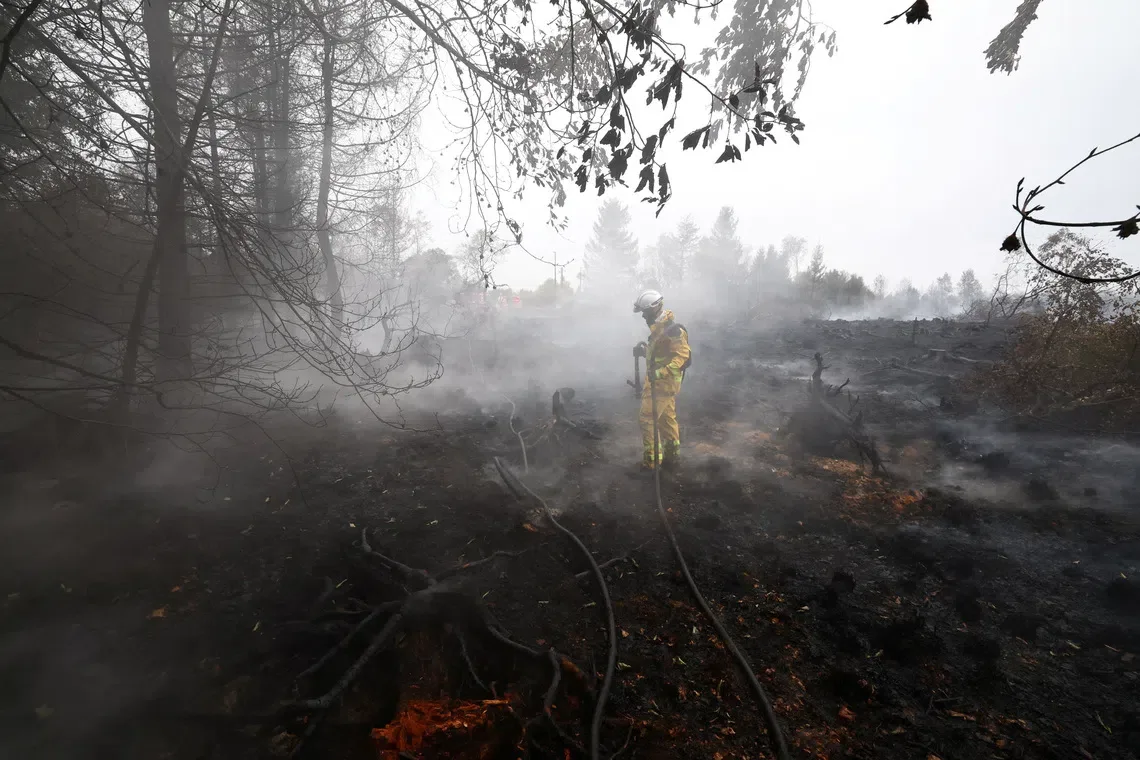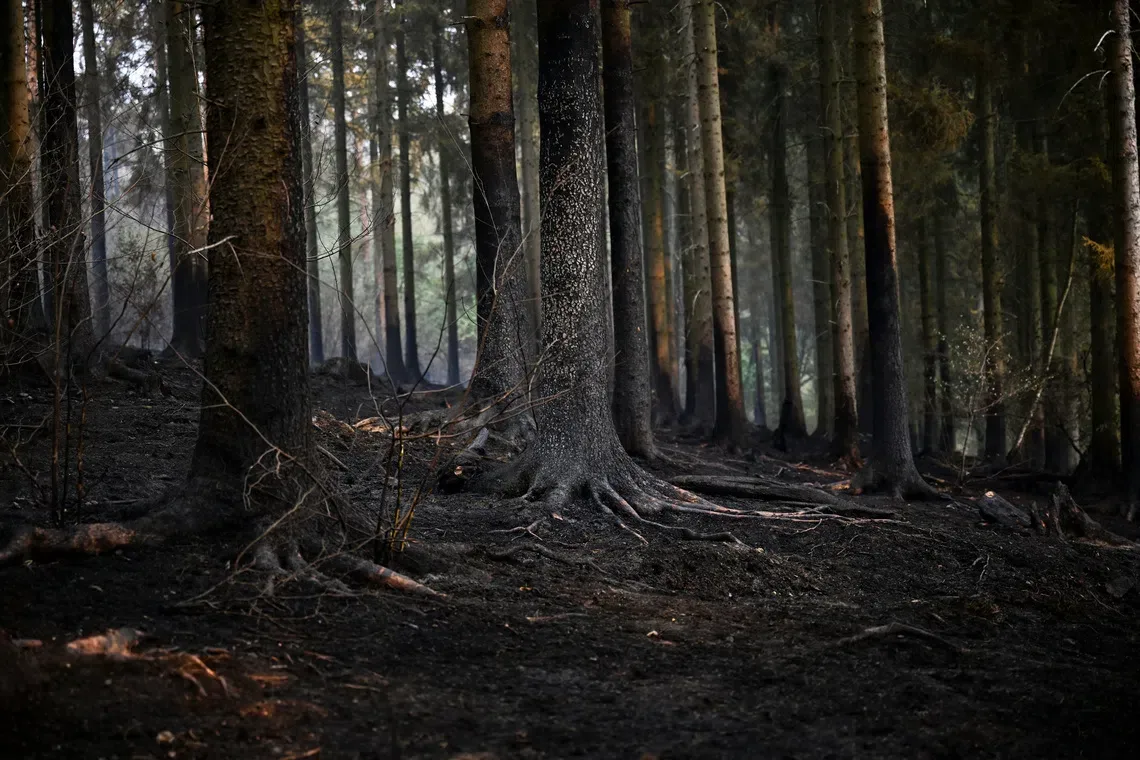
Europe has experienced increasingly frequent extreme weather events, including wildfires in southwestern Europe in 2026, severe floods in Spain in 2024, and floods in Germany and neighboring countries in 2021 [1, 2, 3, 4]. These events have caused economic losses estimated at €822 billion across the EU between 1980 and 2024, with a quarter of the damage occurring in the last four years [1, 2, 3, 4].
The 2024 floods in Spain, the worst in Europe in 50 years, are projected to require reconstruction spending equal to 0.7 percentage points of Spain’s GDP spread from 2024 to 2026 [1, 2, 3, 4]. For the 2021 floods, Belgium had mostly insurance coverage, but Germany’s low insurance rates forced it to use about €30 billion of public funds to cover disaster costs [1, 3, 4]. Overall, only about 25% of climate-related catastrophe losses in the EU are insured, with coverage below 5% in some countries [1, 2, 3, 4].
As these disasters become more frequent, insurance coverage is expected to shrink as a proportion of total losses, increasing governments’ fiscal burdens. David Zahn of Franklin Templeton said, "I do think this just means the more you have these risks, the less they will be insured. This is a big issue, and it will impact some of the countries by 1% to 2% of GDP" [1, 2, 4]. Federico Barriga-Salazar added, "The problem is that they're becoming more recurrent. If a government is already fiscally tight, it means that it does create some policy trade-offs" [1]. Public deficits across the euro zone average around 3% of GDP [1, 2, 3, 4].
European governments are already facing fiscal pressures from rising defense spending and ageing populations alongside escalating climate disaster costs [1, 2, 3, 4]. Some countries are exploring measures to address these challenges. Greece is studying expanding insurance coverage and infrastructure resilience, while Portugal plans mandatory residential insurance and has established disaster funds [3]. The European Central Bank recommends an EU-level public-private reinsurance mechanism to share natural disaster risks [3].
The European Commission plans to propose a package of measures by the end of 2026 aimed at closing the climate disaster insurance gap. These may include mandatory insurance, disaster funds, catastrophe bonds, and reinsurance schemes [3, 4]. Spanish Prime Minister Pedro Sánchez stated that green resilience investments amounting to 0.1% of GDP can prevent economic losses up to eight times greater [3, 4].
The coming months will be critical as EU policymakers advance proposals to mitigate the fiscal impact of increasingly frequent climate disasters.