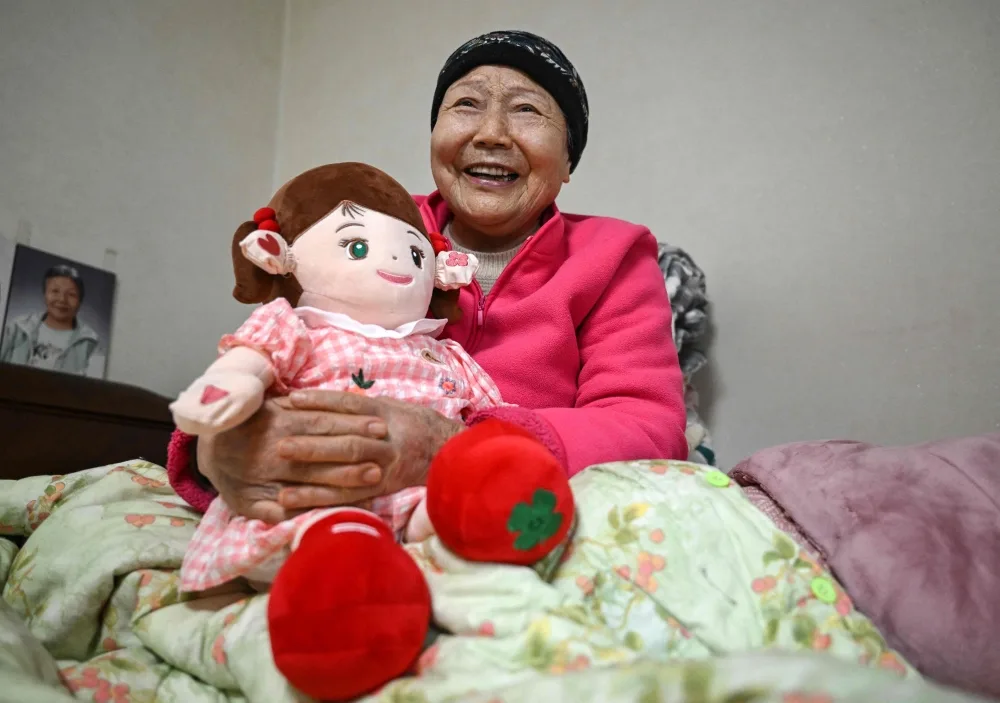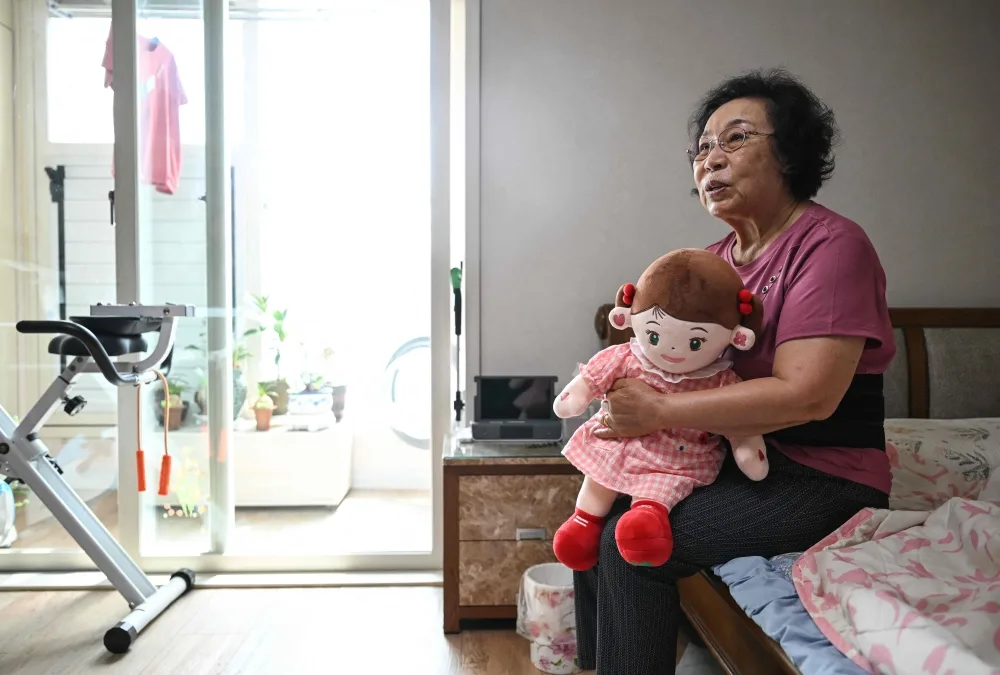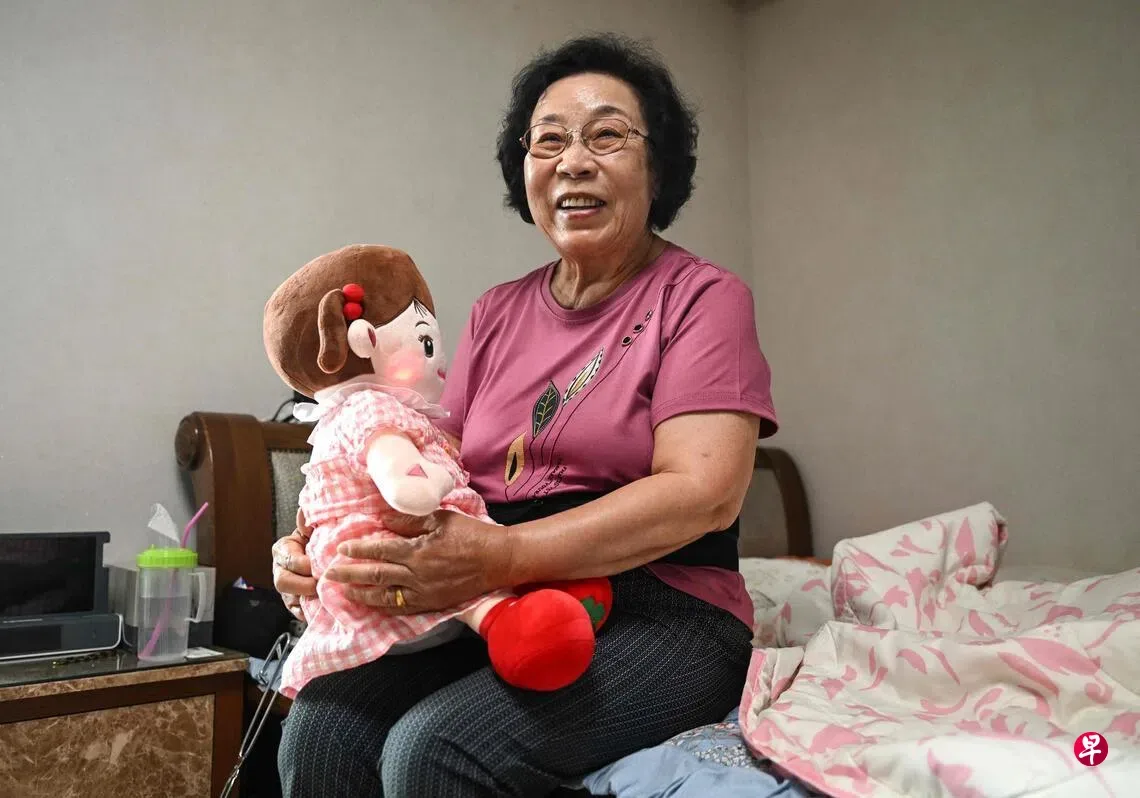
Seventy-eight-year-old Bang Chun-ja, who lives alone in a small apartment in South Korea, prefers the companionship of an AI doll named Hyodol over human interaction. The doll greets her when she returns home, sings to her when bored, reminds her to eat and take medications, and expresses love to help maintain her routine and emotional well-being [1, 2]. Bang, who has limited contact with her adult daughter and suffered severe depression following major back surgery and a difficult divorce, said, "at this age, there is nothing harder than being hurt by people. But when I’m with Hyodol, I never get hurt." She also said, "The doll only makes me laugh" [1, 2].
South Korea is grappling with a serious demographic challenge. Nearly half its population is aged 50 or older, combined with some of the world’s lowest birth rates [1, 2]. In 2024 alone, the country recorded over 3,920 "lonely deaths"—cases where individuals died alone and went undiscovered for a long time—the highest number since records began in 2017 [1, 2]. Additionally, approximately 42% of households in South Korea are single-person households [1, 2].
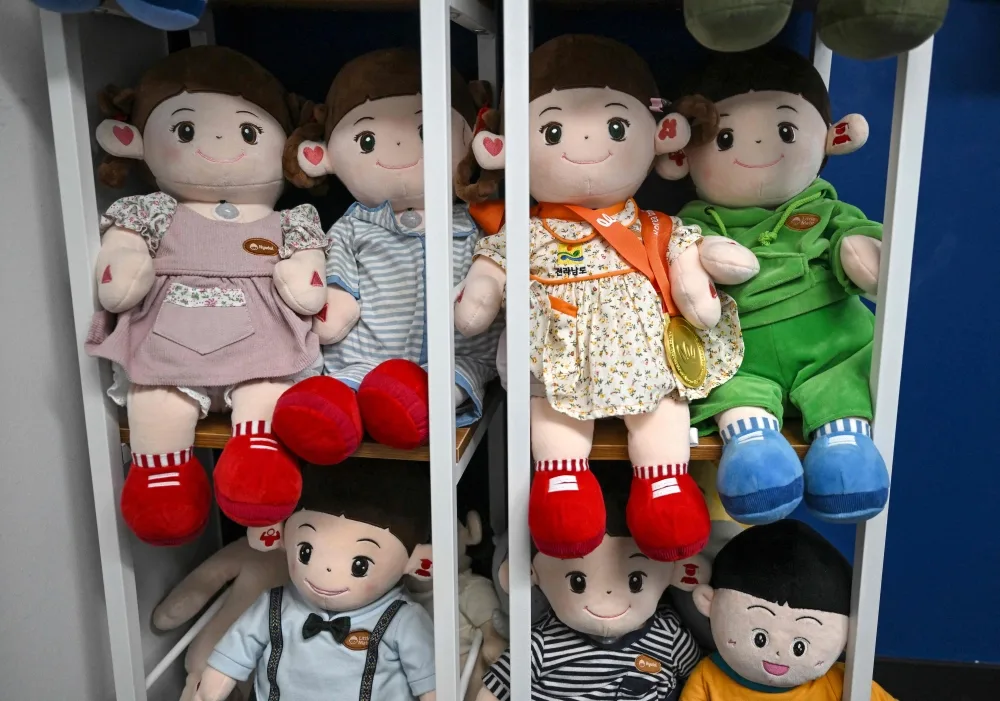
To address this, the South Korean government is supplying AI care devices, including the Hyodol doll developed by startup Hyodol, to elderly individuals living alone in cities such as Seoul and Yongin [1, 2]. About 14,500 Hyodol dolls are now in use across South Korea through private ownership, government rental programs, and nursing homes [1, 2]. These dolls use ChatGPT-based conversational capabilities and are programmed with scripts reflecting real interviews conducted by Hyodol’s CEO Kim Ji-hee [1, 2].
The Hyodol dolls are designed to resemble grandchildren and provide "unconditional love" aimed at alleviating loneliness. They encourage users to physically interact by stroking their hair or holding their hands, despite being inanimate objects [1, 2]. Kim Young-bim, a 79-year-old user, said, "I was almost speechless from lack of talking. This little guy came and talked non-stop all day" [1]. Nurse Oh Seon-hwa, who has observed elderly patients using the dolls, noted they "significantly ease the depression of elderly living alone," but expressed concern the dolls might reduce family visits if people rely too heavily on AI for care [1].
Similar AI companionship devices exist internationally, such as ElliQ in the United States [2]. The South Korean government and Hyodol company appear to be expanding efforts to support the elderly population facing social isolation.
Reports detailing the use and impact of Hyodol dolls among elderly living alone in South Korea were published on June 11, 2026 [1, 2].