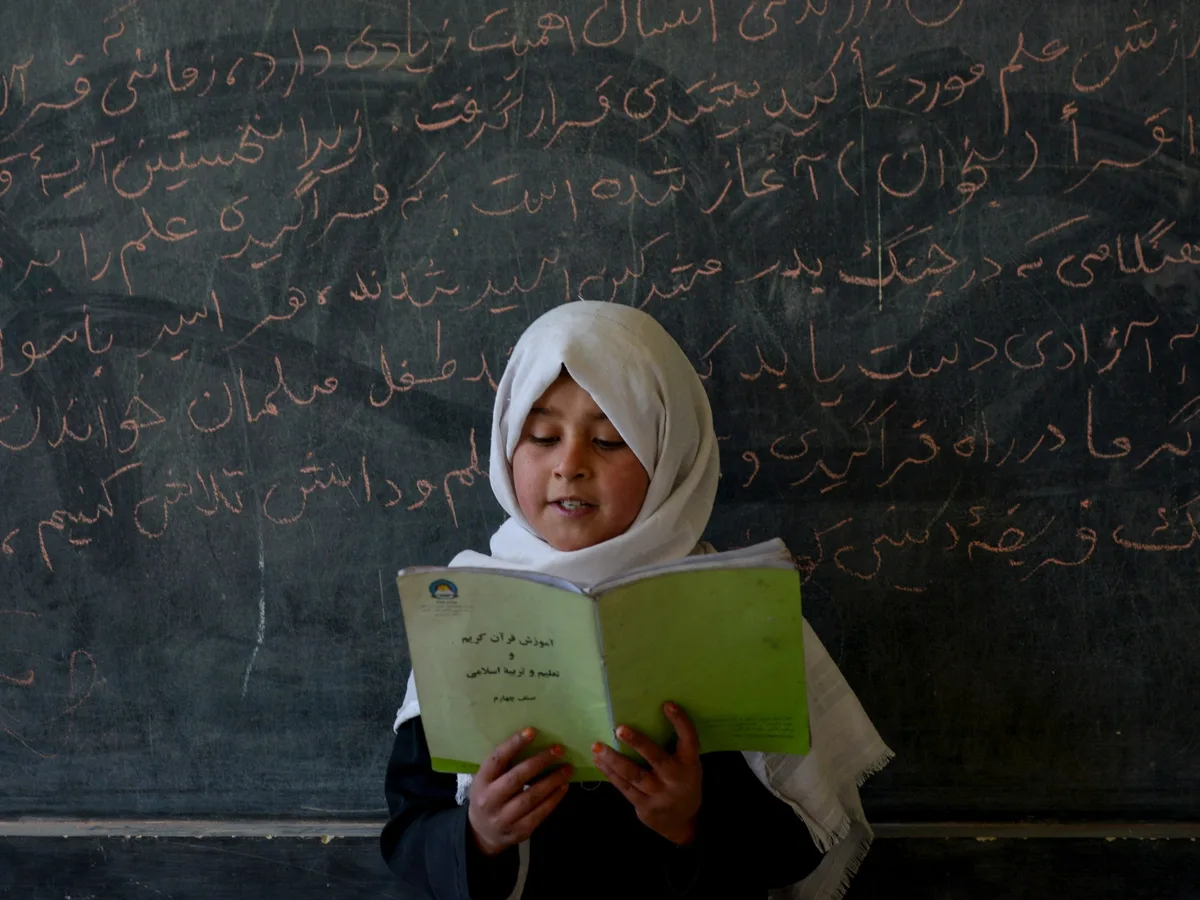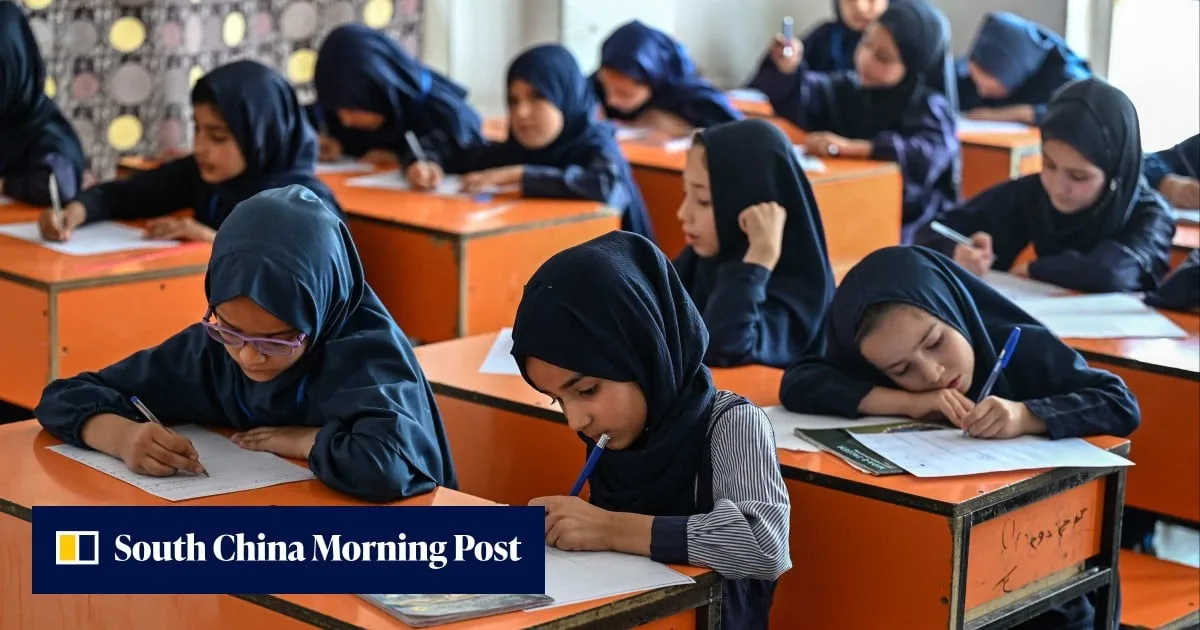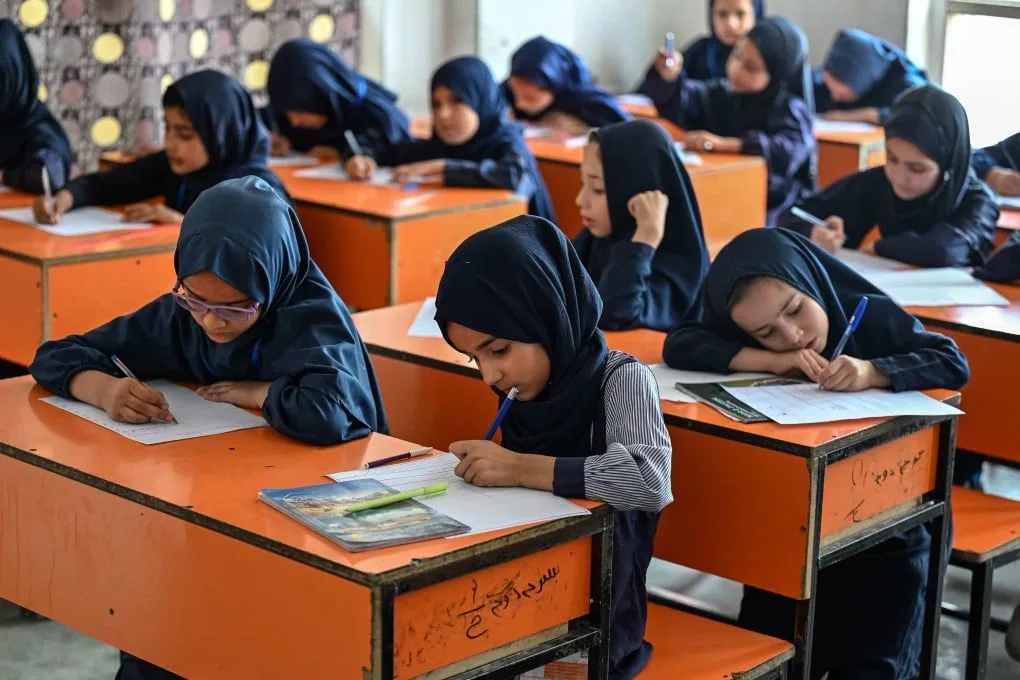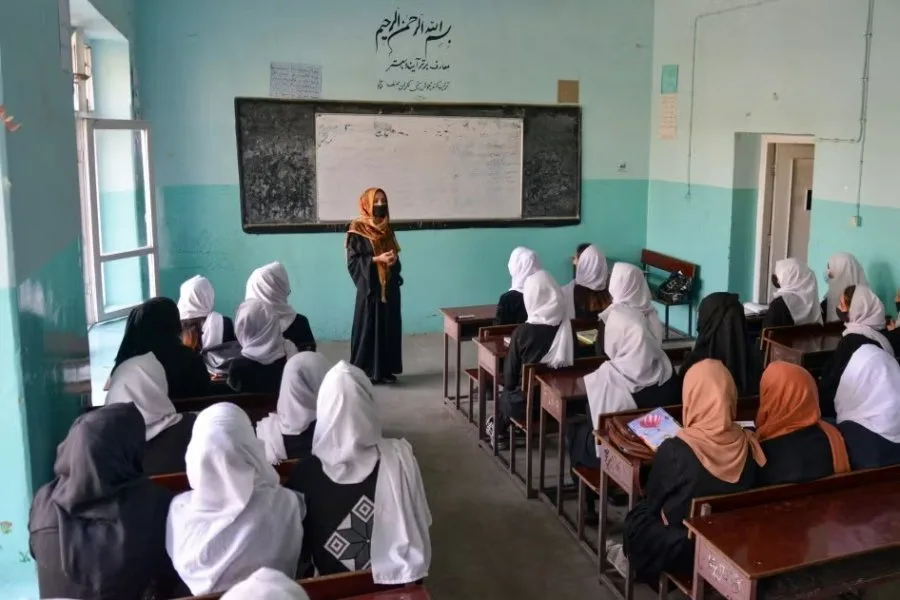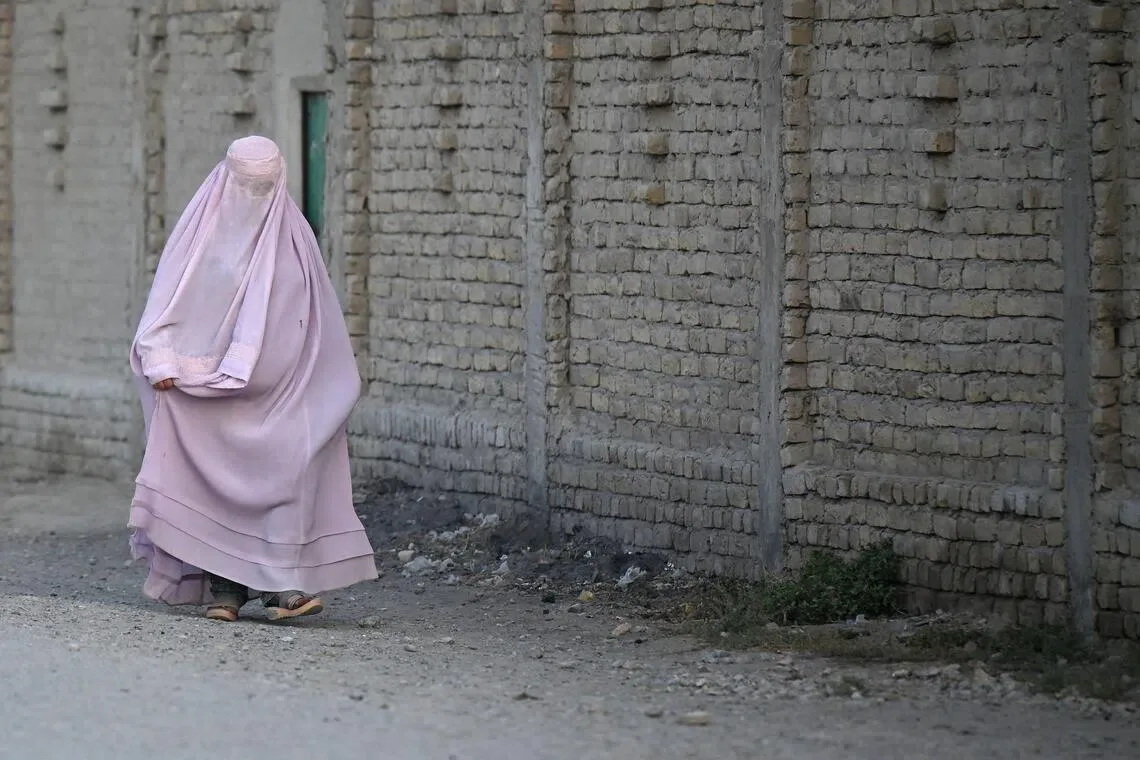
Since the Taliban regained control of Afghanistan in August 2021, approximately 2.4 million girls have been denied access to secondary education, according to United Nations agencies and multiple sources [1, 2, 3, 4].
The Taliban banned girls from attending secondary schools in March 2022 and extended the ban to women attending universities by December 2022 [1, 2, 3, 4]. This policy has erased nearly two decades of progress, as nearly one million girls were enrolled in secondary education before the Taliban takeover [1, 4].
The number of girls barred from secondary schooling has risen by around 200,000 since 2025 and could reach nearly 4 million by 2030 if the restrictions continue [1, 2, 3]. The Taliban government, recognized internationally only by Russia, has rejected external calls—including from some Muslim-majority countries—to lift the bans, labeling education for females as an internal religious matter [3, 4].
UNESCO warns of a projected economic loss of US$9.6 billion by 2066 due to the education ban and other Taliban restrictions on women’s rights [1, 4]. Around 600,000 Afghan women are expected to be forced out of the labor market by 2066 as a result of these policies [4].
Literacy rates in Afghanistan remain low, with about 90% of 10-year-olds unable to read a simple text, and an overall literacy rate near 37% [1, 3, 4]. Many schools lack basic facilities including drinking water, sanitation, and heating, and natural disasters have damaged or closed around 1,000 schools since 2021 [1, 3, 4]. Furthermore, the Taliban ban on female teachers instructing boys has contributed to a shortage of qualified teachers, with a shortfall of over 11,000 female teachers projected by 2030 [3, 4].
Hoda Jaberian, UNESCO’s program coordinator for education in emergencies, said, “Afghanistan girls and women have the right to learn, that’s a basic human right. They have the right to work. They should have the freedom of movement.” [1]
An Afghan father of four daughters described the impact of the ban, saying his daughters have become effectively "illiterate" after being forced to stop schooling at sixth grade, unable to meet 21st-century demands [4].
On August 11-13, 2026, UN agencies including UNESCO publicly urged the Taliban to immediately restore girls’ education and end gender discrimination [1, 2, 3, 4].