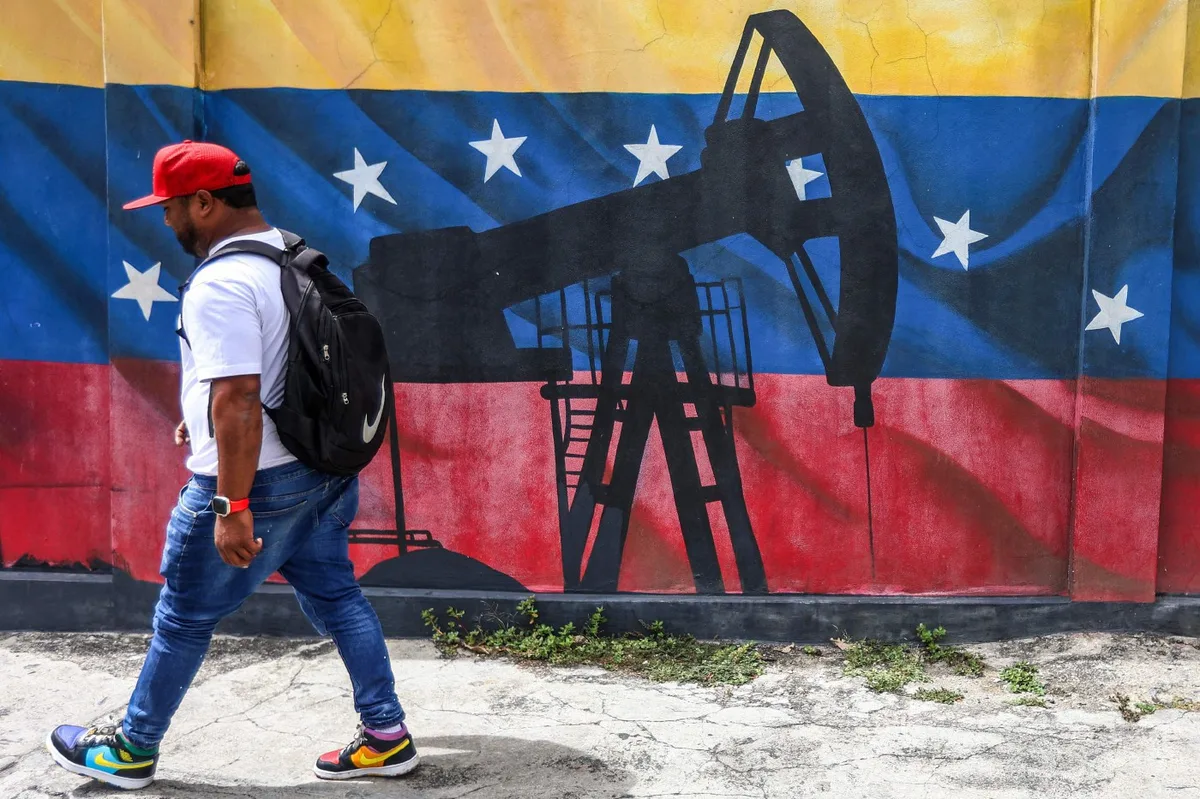
Chevron formalized a $7 billion investment agreement on September 2, 2026, to develop two new oil fields—Carabobo 1 and Carabobo-2-South-A—in Venezuela's Orinoco Belt near its existing operations. The goal is to double Venezuela's oil output to about 600,000 barrels per day within five years, aiming for 2031 [1, 2, 3].
Chevron holds a 49% stake in the joint venture Petroindependencia, which will oversee development of these additional heavy oil fields in Venezuela's Orinoco region. In April 2026, the company increased its share in Petroindependencia by 13.2%, returning offshore gas assets to Venezuela’s state oil company PDVSA as part of the deal [4, 5, 6].
Mike Wirth, Chevron's CEO, said, "We have operated in Venezuela for over a century and believe the country’s strong resource potential can translate into decades of continued investment." He described Venezuela as "multi-decade bet" and highlighted the area's "billions of barrels of resources" [4, 1].
Chevron's extraction costs are estimated below $20 per barrel, while Brent crude has averaged near $87 per barrel in 2026. The Venezuelan oil will primarily be exported to refiners on the US Gulf Coast to produce gasoline, diesel, and jet fuel [1, 3].
Chevron’s production in Venezuela has been rising since January 2026, after US forces detained former president Maduro and established cooperation with interim president Delcy Rodriguez. Rodriguez confirmed a 25-year US-Venezuela cooperation agreement aiming to raise national output from about 1.25 million to 1.5 million barrels per day while preserving national control of resources [4, 5, 6, 2, 3].
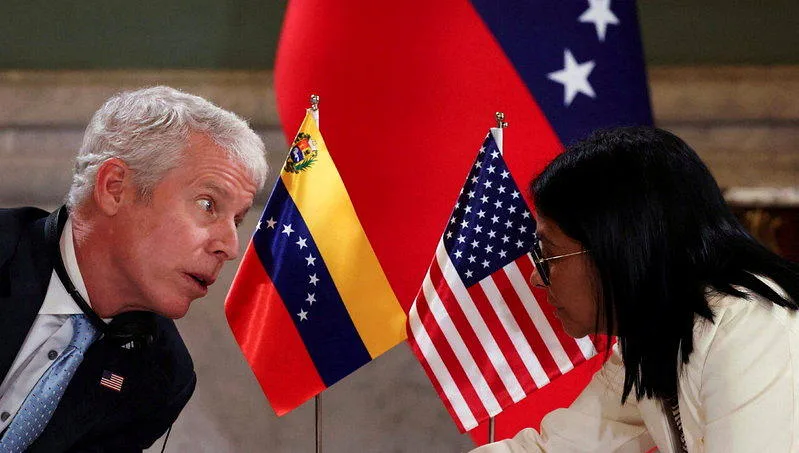
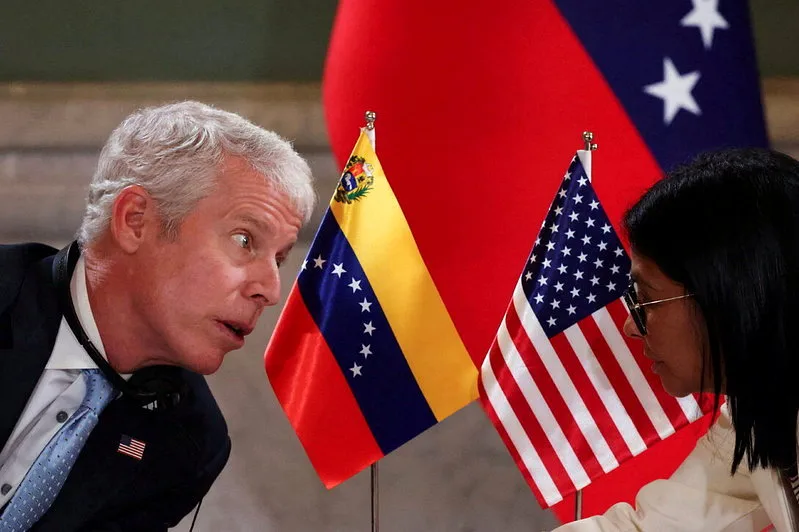
The recent US Department of Energy Secretary Chris Wright visited Venezuela on September 1-2 to finalize the investment deal. Wright said the "agreement creates conditions favorable for more investment and growth" [4, 5, 3].
Other international oil companies like Italy’s Eni and Spain’s Repsol are also expanding in the Orinoco Belt. Meanwhile, North American Blue Energy Partners (NABEP) received 100-year exploration rights for 17 Venezuelan fields with roughly 65 billion barrels of reserves, though the legality of this deal is questioned due to lack of Venezuelan legislature approval [2, 3]. Major US companies ExxonMobil and ConocoPhillips remain cautious about new Venezuelan investments [3].
Chevron’s stock closed at $211.78 on September 2, reflecting market confidence in the agreement [2]. The company will begin ramping up production following the development phase, targeting doubling output by 2031.