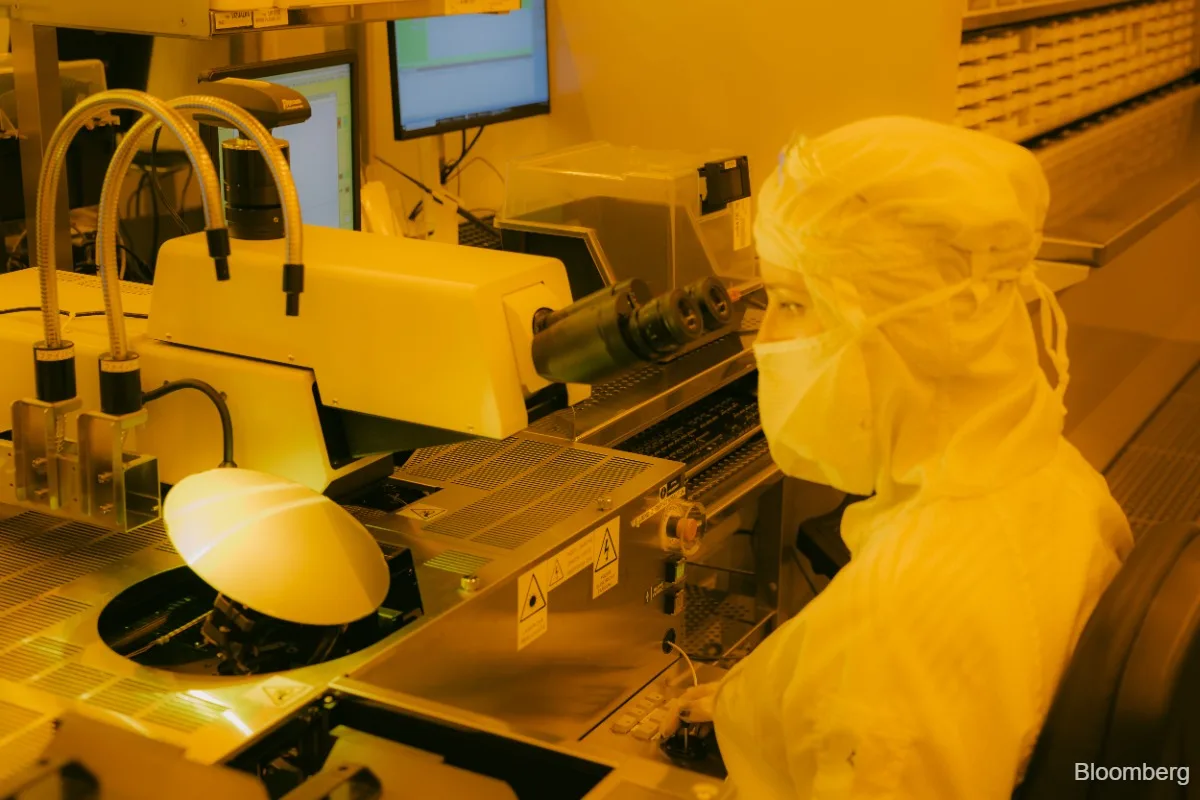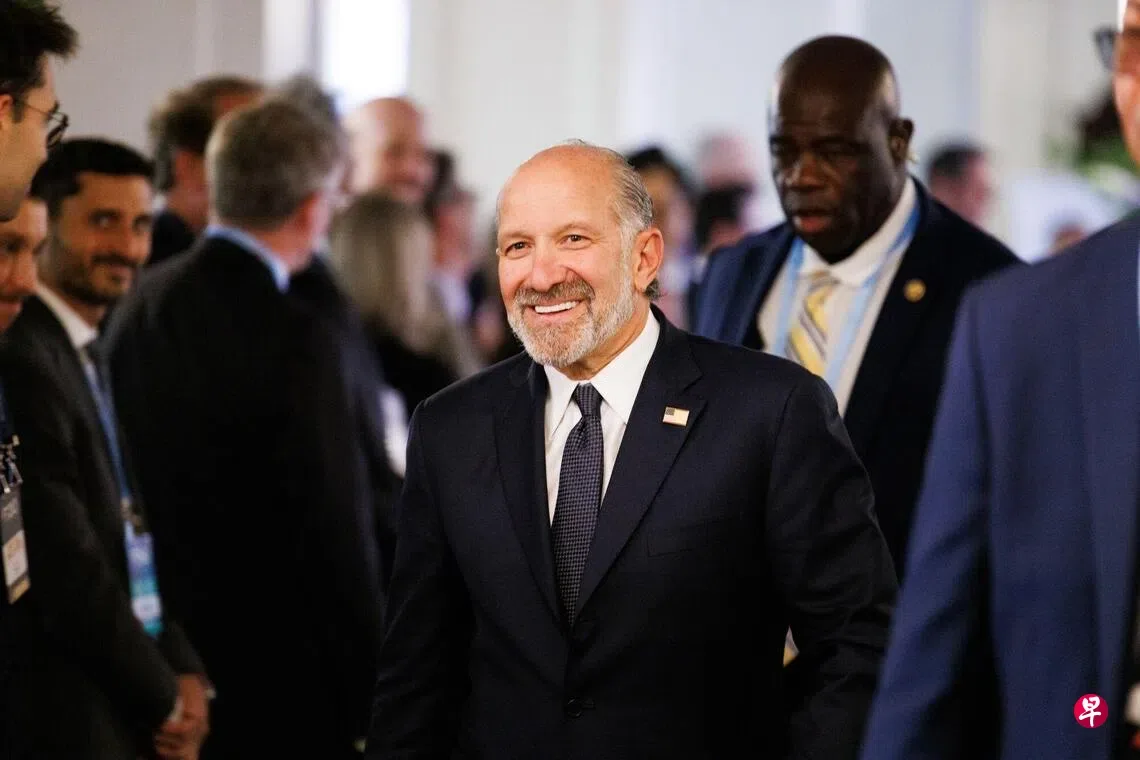
The US government under President Trump is preparing new tariffs on imported semiconductors and semiconductor-containing products, including laptops, gaming consoles, data center servers, and consumer electronics [1, 2, 3, 4, 5, 6, 7, 8]. US Commerce Secretary Howard Lutnick said companies that establish semiconductor manufacturing facilities in the US will qualify for tariff exemptions or relief. "That’s what you should look for in semiconductors: If you build in America, we will give you tariff relief, and if you don’t build in America, you will pay tariffs," Lutnick told CNBC [1, 2, 4]. He described the planned tariff policy as "targeted, thoughtful," rewarding domestic production while penalizing imports from abroad [1, 2].
Companies like Taiwan Semiconductor Manufacturing Co. (TSMC) and Micron Technology have pledged about US$1.2 trillion in investments to build semiconductor fabrication capacity in the US [1, 5, 7, 8]. Earlier this year, a US-Taiwan memorandum of understanding committed about US$500 billion in Taiwanese investments and credit guarantees to support high-tech manufacturing [1, 9, 7, 8]. Taiwan plans to announce a new US investment ranging between US$200 billion and US$300 billion in the first week of September, focusing on semiconductors and AI-related industries [5, 6, 7, 8]. Taiwan's Ministry of Economic Affairs confirmed Taiwanese firms have recently increased their commitments to roughly US$200 billion, though sources differ slightly on the exact figure [9, 7].
Taiwanese authorities are coordinating with US counterparts through government channels to ensure Taiwanese companies retain tariff quotas and exemptions under the US-Taiwan MOU once the new US semiconductor tariffs take effect [9]. The new tariffs aim to reduce US budget deficits by generating up to US$400 billion in annual revenue and boost domestic semiconductor manufacturing capacity [5, 7, 8]. However, critics warn higher tariffs could raise costs for building data centers and hurt US ambitions in AI and technology, as most advanced chip production remains abroad [1, 2, 3, 5, 7, 8]. There is concern about higher expenses for AI data center infrastructure expansion if tariffs increase on imported chips and related products [3, 5, 7, 8].
President Trump signed Executive Order 14420 on August 26 relating to critical foreign supply chains and national security, laying groundwork for these tariffs [7]. On September 2, Lutnick revealed the upcoming tariff plans and relief for US manufacturers in a CNBC interview [1, 2, 3, 4, 5, 6, 7, 8]. Taiwan is expected to formally announce its new US investment commitments within this week [5, 6, 7, 8].