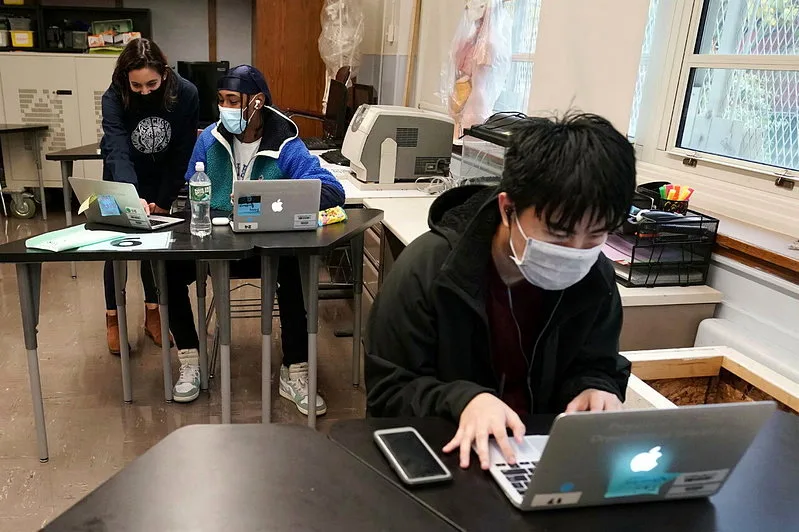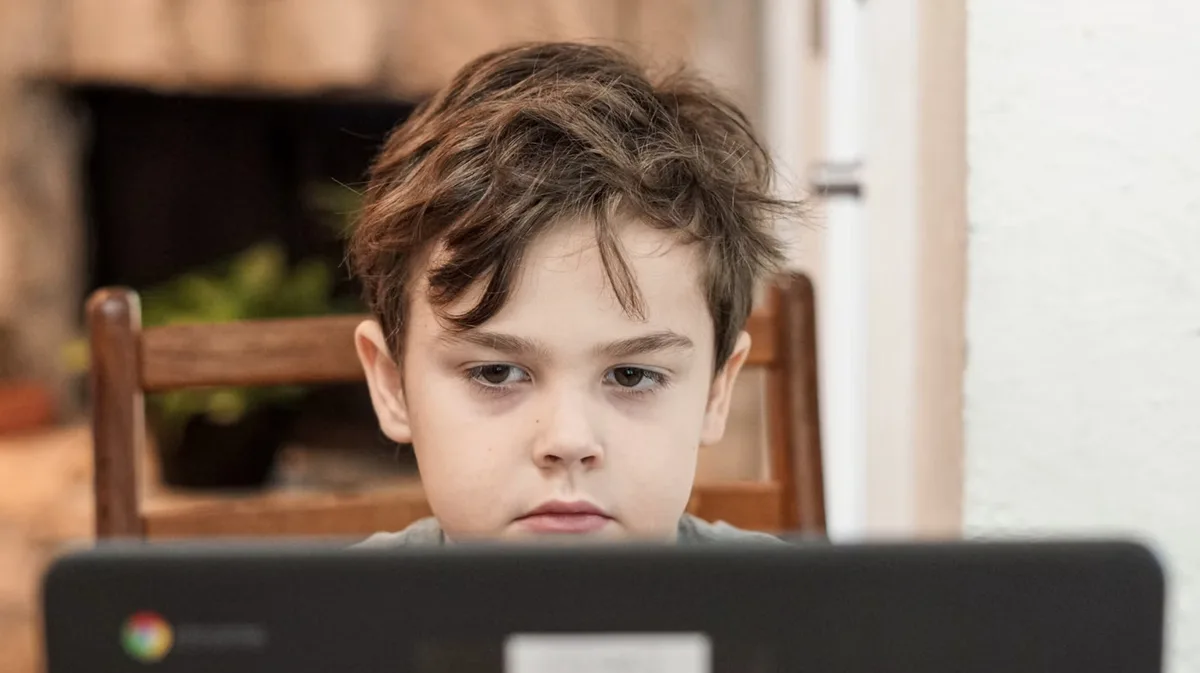
New York City public schools announced a one-year ban on generative AI use for students in grades pre-K through 8, effective from the 2026-2027 school year [1, 2]. Approximately 600,000 students enrolled in the nation’s largest school district will be affected by the prohibition [1, 3].
The ban covers all student-facing generative AI software, including about 40 educational tools currently in use in classrooms [1, 4]. Companion chatbots are also prohibited at all grade levels [1, 4]. However, high school students are exempt but will receive twice-yearly AI literacy classes and pilot programs allowing limited AI use under supervision, with a cap at about 50,000 participants [1, 5].
Teachers will be allowed to use AI tools for lesson planning and administrative work, but not for grading, crisis management, or decisions regarding student promotion or graduation [2, 4]. Certain exceptions to the ban include approved computer programming courses, assistive technologies for students with disabilities and English learners, e-books, robotics classes, and computerized testing [6, 4].
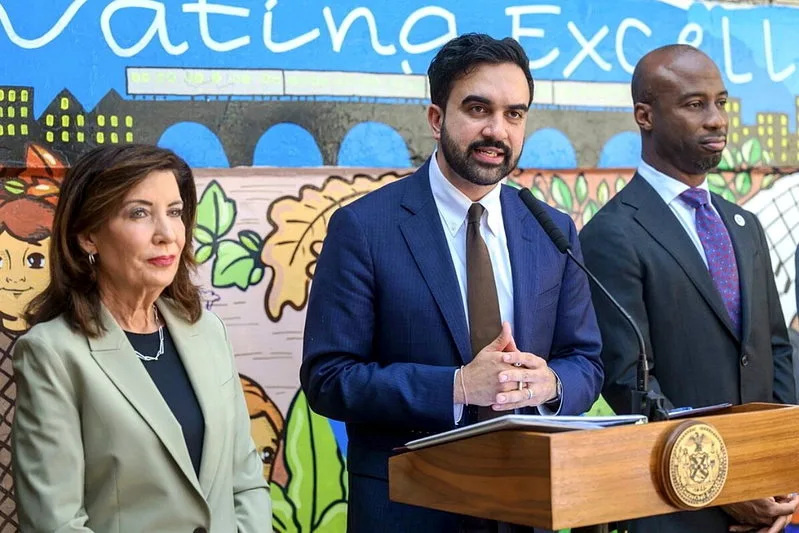
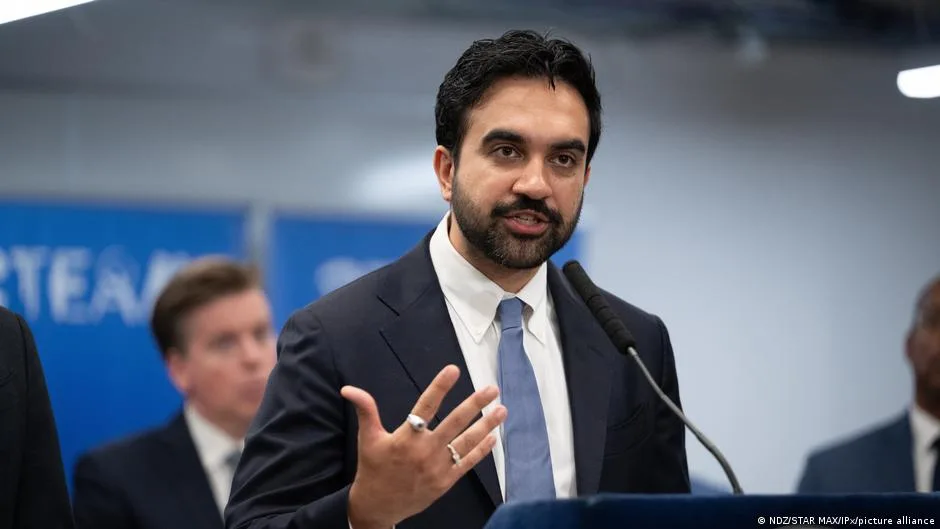
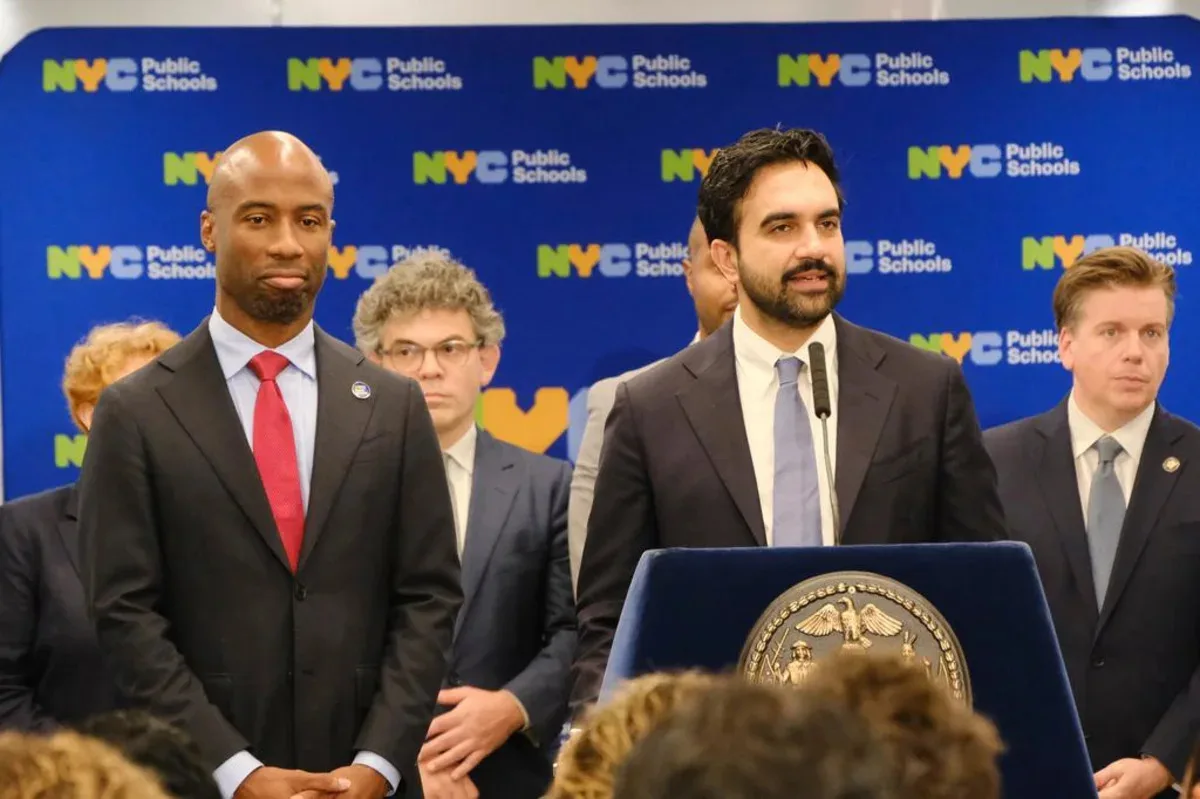
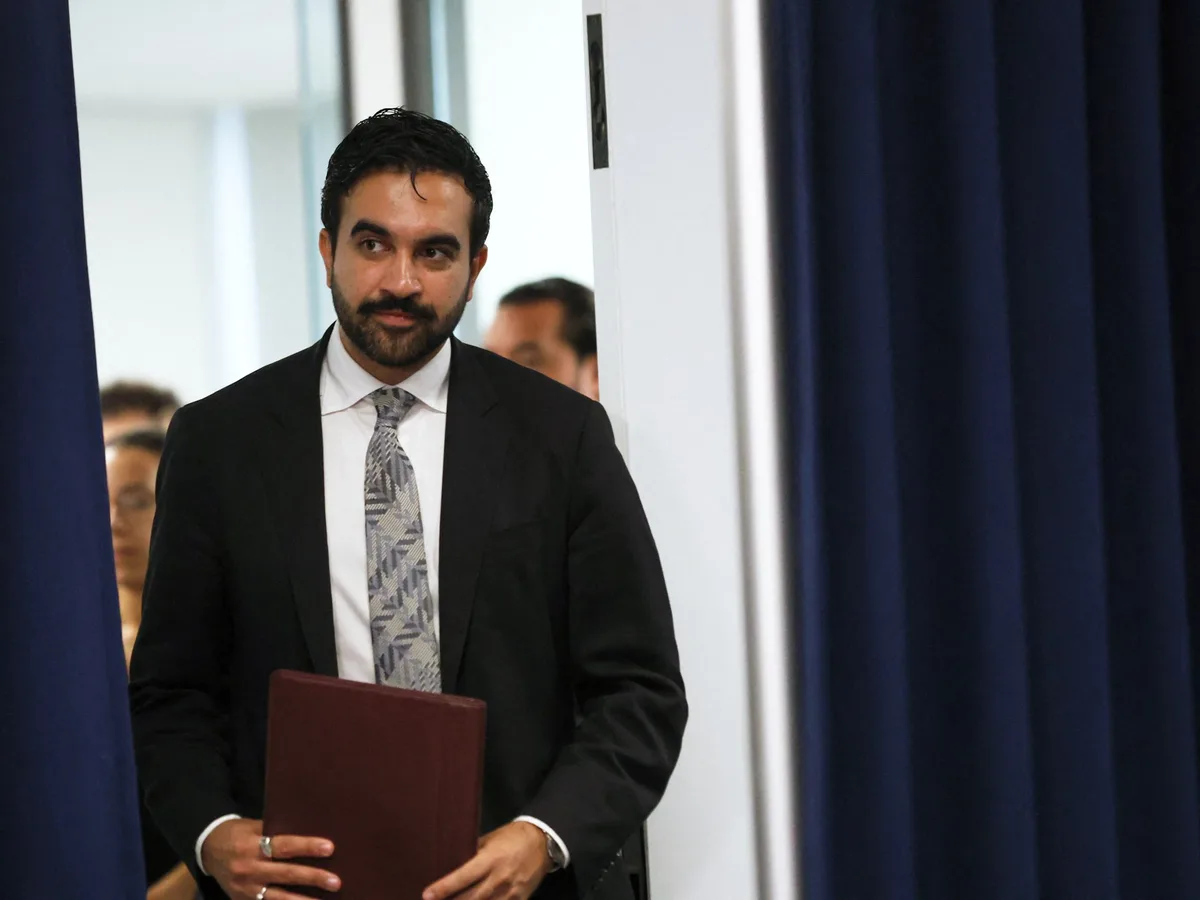
The policy sets screen time limits to 30 minutes daily for grades 3-5 and 45 minutes for grades 6-8, with stricter limits for younger students [1, 7]. Mayor Zohran Mamdani emphasized the importance of preserving human connection in education, stating, “Children need teachers and human connection in order to learn and grow. They need to develop skills alongside their peers, build relationships with educators and wrestle with tough problems on their own” [1]. He also criticized industry claims that AI is necessary in early education, saying, "The tech industry wants us to believe that AI-powered early education is not only inevitable, but necessary. We do not see it that way." [1]
NYC Education Commissioner Kamar Samuels said, “We are resolute that innovation is not synonymous with more technology. We will rely on evidence over the coming year to ensure technology serves teaching and does not get in the way” [2]. The city will study AI’s impact on children during the moratorium and use the findings to guide future policy decisions [1, 3].
To oversee the policy and future AI issues in schools, New York City will launch a Technology in Schools Coalition consisting of educators, parents, students, and experts [5, 4]. The ban also responds to concerns from parents, advocacy groups, and city officials about AI’s effects on student learning, privacy, and screen time [4].
The new academic year under these restrictions will begin on September 10, 2026 [8]. Vendors supplying educational software must disable AI features to continue contracts; otherwise, NYC will stop using those products [4]. Michael Mulgrew, president of the United Federation of Teachers, stressed the need to address AI use from the start, saying, “If we’re serious about this, we need to start at the source, not leave it up to schools or teachers to figure out after the fact whether tools comply” [7].