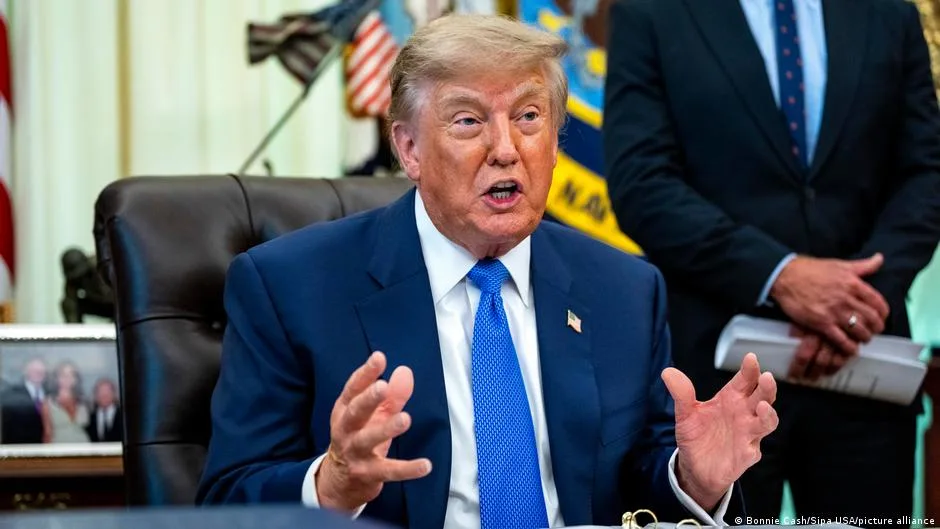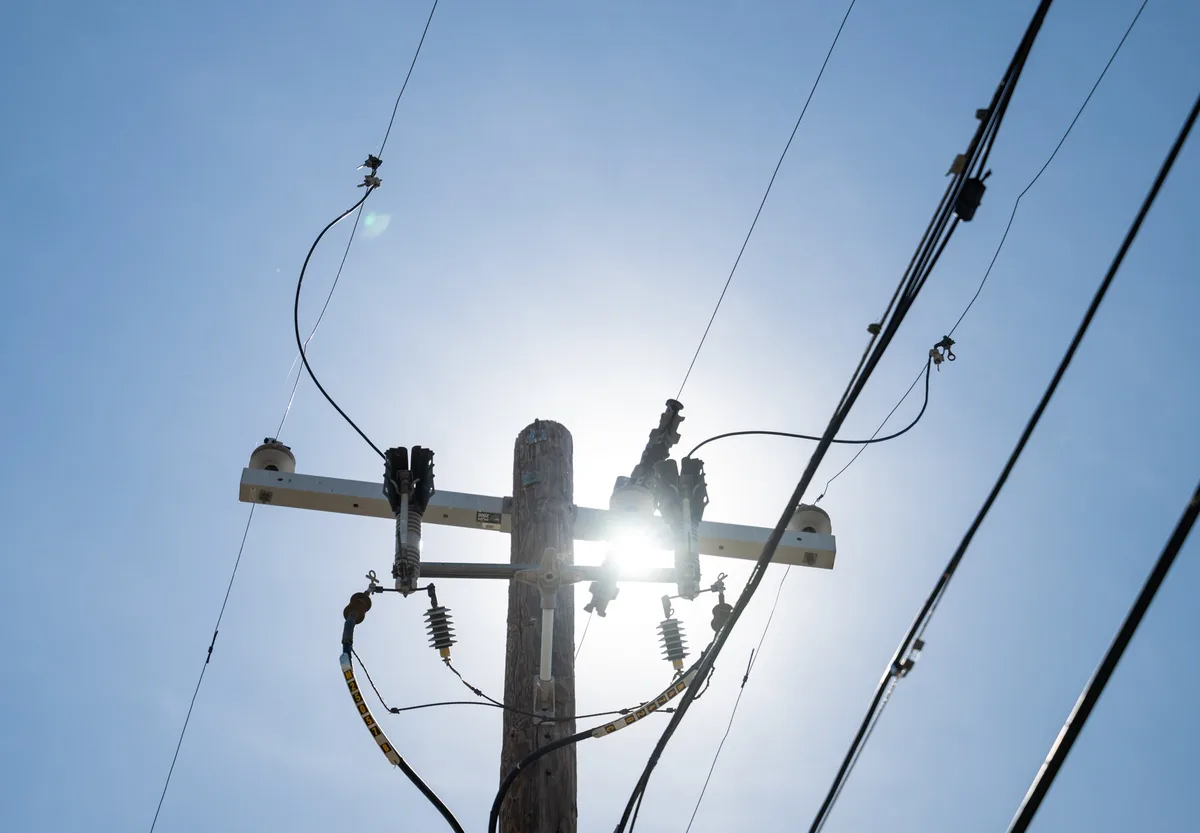
US President Donald Trump signed an executive order on August 26 declaring a national emergency over security risks posed by foreign-made equipment in the US electricity grid and restricting the purchase and installation of certain foreign-produced bulk-power system components [1, 2, 3]. Trump said, "I… believe that foreign supplied bulk-power system electronic equipment ... pose an unusual and extraordinary threat to the national security, foreign policy, and economy of the United States. Due to this threat, I hereby declare a national emergency" [2].
The order cites an "unusual and extraordinary foreign threat" stemming from such equipment, which may create cybersecurity or operational risks [1, 2, 3]. However, it does not ban all foreign-made equipment. Instead, it tasks the Energy Secretary with setting conditions for the continued use and operation of affected components [1, 2, 3].
Under the order, utility companies must compile inventories of foreign-sourced grid equipment flagged by the administration [1]. John Bruggeman of CBTS noted, "Blocking new purchases is the easy part. Knowing what’s already running is where the real work starts. Utilities running foreign-sourced grid equipment … have a live compliance clock starting today" [1]. Michael Centrella of SecurityScorecard said the order "establishes the authority to act. The difficult next step will be giving operators scalable, independent visibility into which assets and vendor relationships present the greatest risk without disruption" [1].
The Department of Energy has 120 days to publish rules implementing the new policy [1].
This action follows ongoing US efforts to counter potential Chinese technological threats to critical infrastructure. Previous measures include bans on Chinese solar power inverters with undisclosed communication devices [1, 2, 3].
Meanwhile, on August 26 in Beijing, Chinese Foreign Minister Wang Yi met US Ambassador David Perdue. Wang urged managing differences and focusing on positive agendas ahead of a tentative US-China summit planned for September 24 [2, 3]. He said, "聚焦积极议程,妥善管控分歧,为两国高层交往排除干扰、克服障碍。中美关系仍面临各种风险挑战。" (Focus on positive agendas, properly manage differences, remove interference and overcome obstacles for high-level exchanges. US-China relations still face various risks and challenges) [2].
US-China relations remain strained over technology and trade. A tariff truce between the two countries is expected to last until November 2026 [2, 3]. The next major diplomatic event is the planned summit on September 24 where Presidents Trump and Xi Jinping may address technology and trade tensions [2, 3].