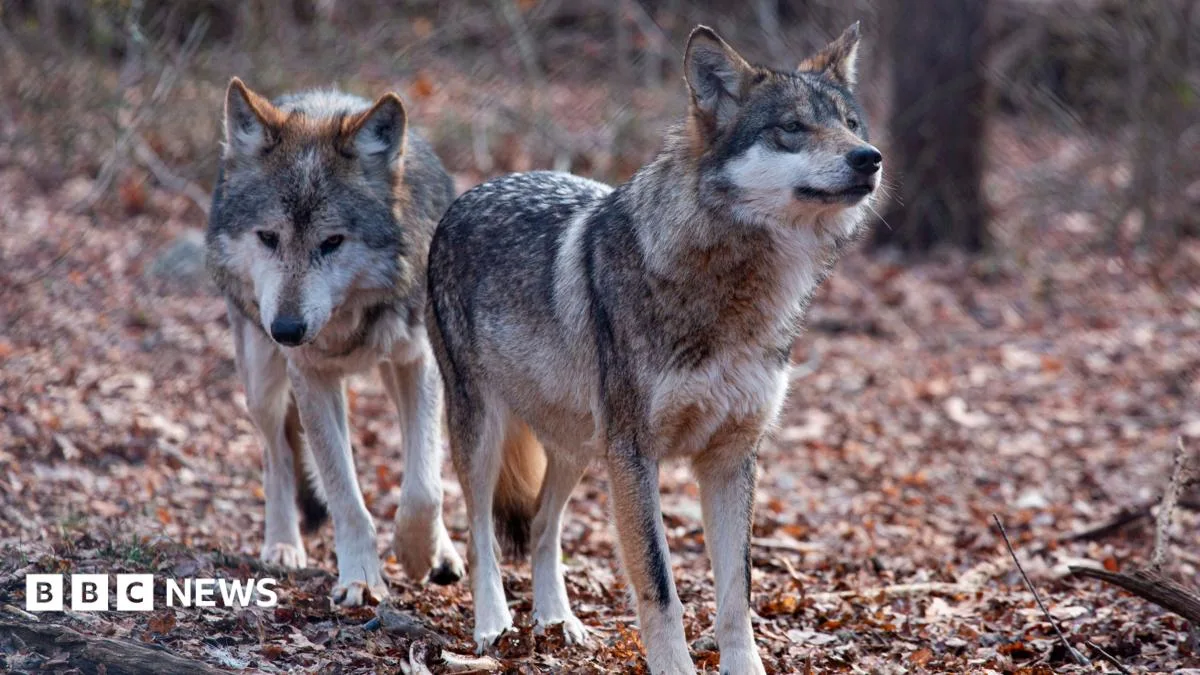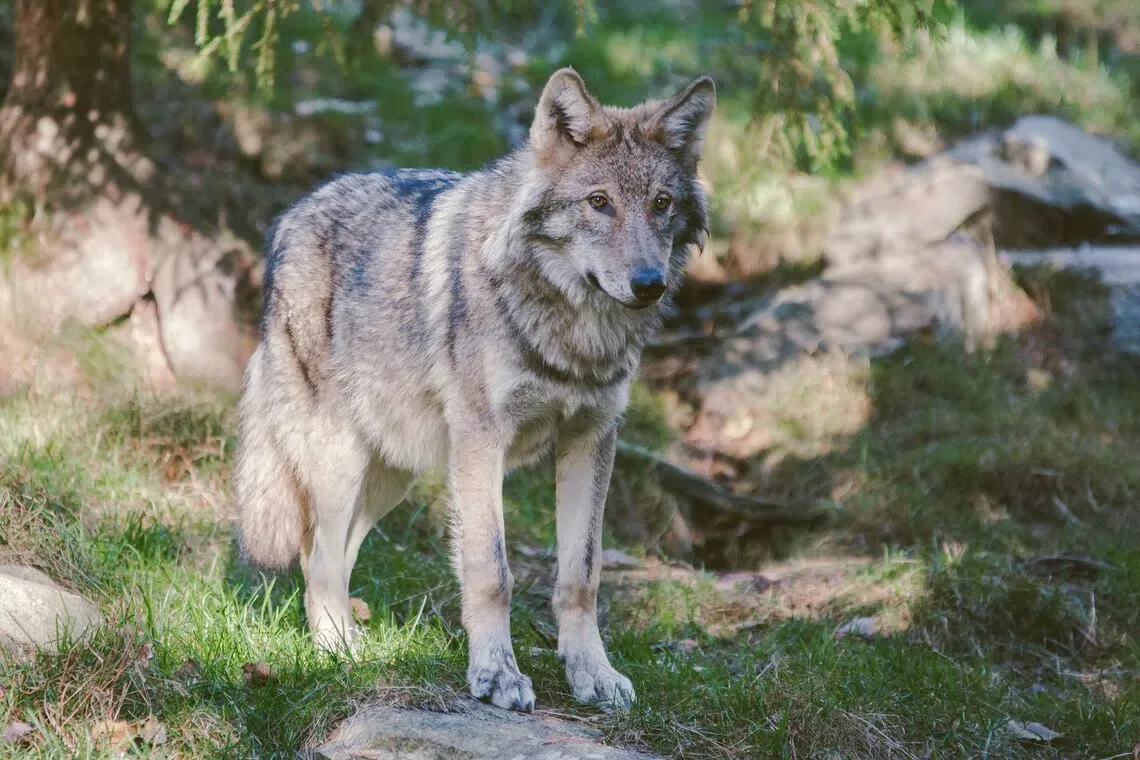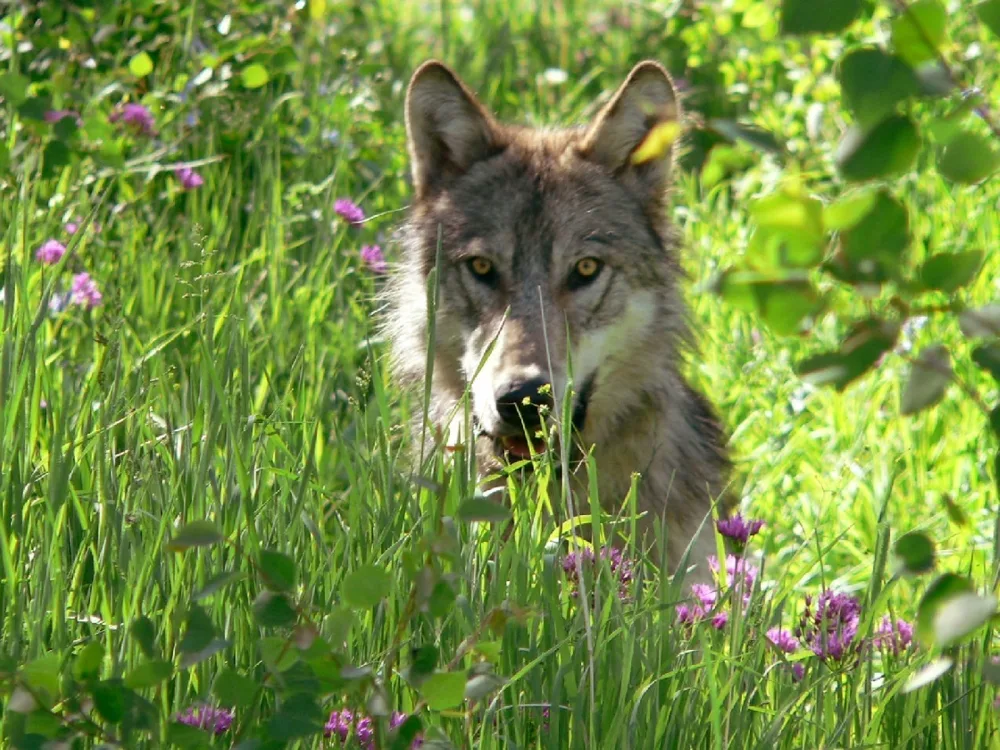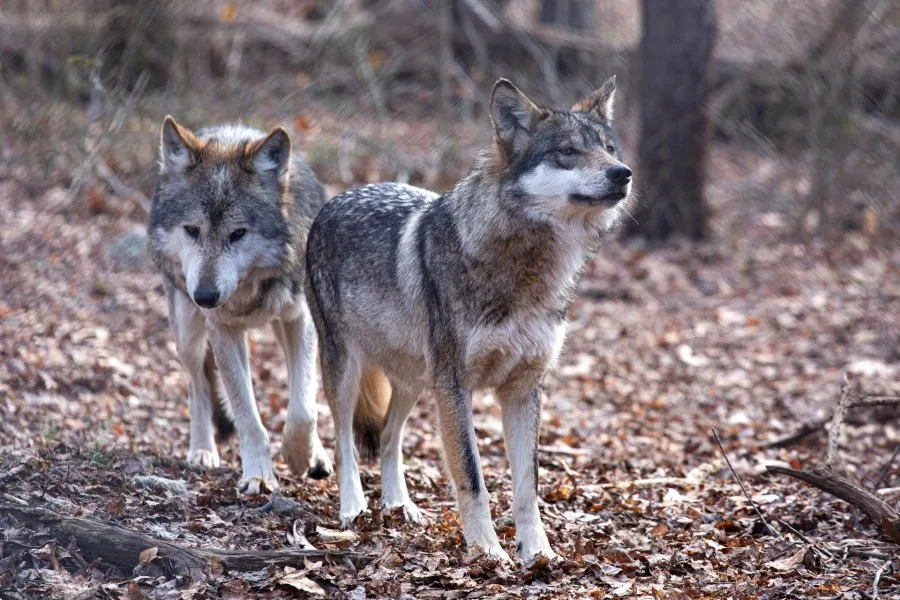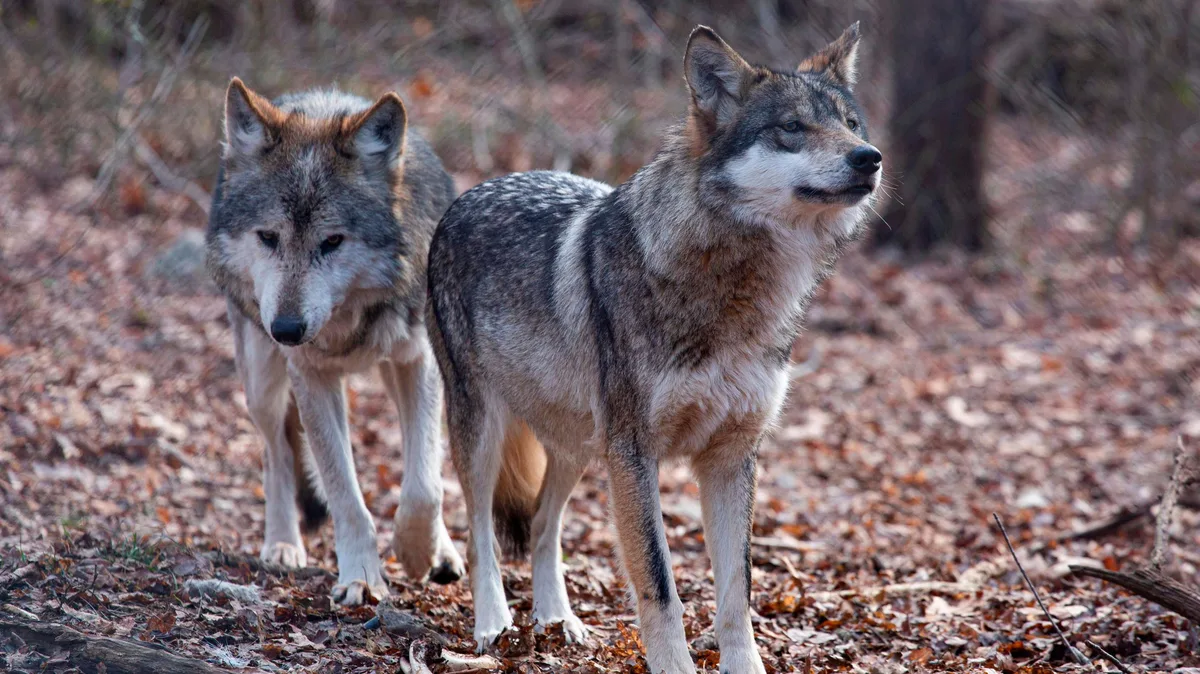
President Donald Trump signed an executive order on September 4, 2026, directing Interior Secretary Doug Burgum to determine within 90 days whether grey wolves and Mexican wolves have met recovery criteria to be removed or downlisted from the endangered species list under the Endangered Species Act (ESA) [1, 2, 3]. The order aims to help cattle ranchers reduce livestock losses attributed to wolves and encourages states to loosen regulations on killing wolves if recovery benchmarks are met [1, 2, 3].
During a White House event, Trump asked, "But you can shoot them as of today?" Agriculture Secretary Brooke Rollins responded, "Secretary Burgum has to do a little magic," clarifying that no changes occur until the Interior Secretary completes the review [2].
Estimates from the Wolf Conservation Center and the Mexican Wolf Interagency Field Team show about 7,600 grey wolves and 317 Mexican wolves in the wild in the US at the end of 2025 [2, 3, 4, 5, 6]. Before extensive extermination during European colonization through the 20th century, the grey wolf population was approximately 250,000 across the US [2, 3, 4, 5, 6].
Trump previously delisted grey wolves during his first term but left Mexican wolves protected. The Biden administration reversed the grey wolf delisting in 2022 after losing court battles [2, 3, 4, 5, 6].
Conservation groups sharply criticized the order. Ben Greuel, Sierra Club wildlife campaign manager, said, "Trump is putting gray wolves and Mexican wolves in the crosshairs to placate the backlash caused by his own beef import policies. Turning wolf protections into political damage control will do nothing to lower grocery bills or help families struggling with the cost of living" [2]. Greta Anderson of the Western Watersheds Project called it "a huge distraction to placate a handful of ranchers and make them believe that wolves are a greater threat than President Trump's own policies" [1]. Claire Musser of the Grand Canyon Wolf Recovery Project warned, "The Mexican grey wolf is not recovered simply because the population has grown. Weakening federal protections now would put decades of recovery work at risk" [1].
Conservationists note that wolf attacks on livestock are rare and ranchers currently receive up to 100% compensation for verified losses under existing programs [1, 2, 4]. The order stresses that ranchers are vital to the US food supply chain and cultural heritage [1].
The review ordered by Trump does not immediately change wolf protections or allow killing. Interior Secretary Burgum has 90 days to assess wolf population recovery and recommend if delisting or downlisting is appropriate under the ESA [1, 2, 3, 4, 5, 6].