US President Donald Trump announced on August 16, 2026, that he ordered a substantial reduction in the scale of the annual Ulchi Freedom Shield joint military exercises with South Korea, citing his positive relationship with North Korean leader Kim Jong Un as the reason [1, 2, 3, 4]. Trump said on social media that the exercises are costly, largely funded by the US, and send an inappropriate, hostile signal to a North Korea that has been respectful and non-threatening during his presidency [1, 2, 3, 5]. He added, "金正恩一直非常尊重我。我懂他,他也懂我" (Kim Jong Un has shown great respect to me. I understand him, and he understands me) [6]. Trump admitted it was "too late" to cancel the drills entirely since they were already scheduled to begin. Instead, he ordered Secretary of Defense Lloyd Hines to "substantially reduce" the exercises [1, 2, 3, 4].
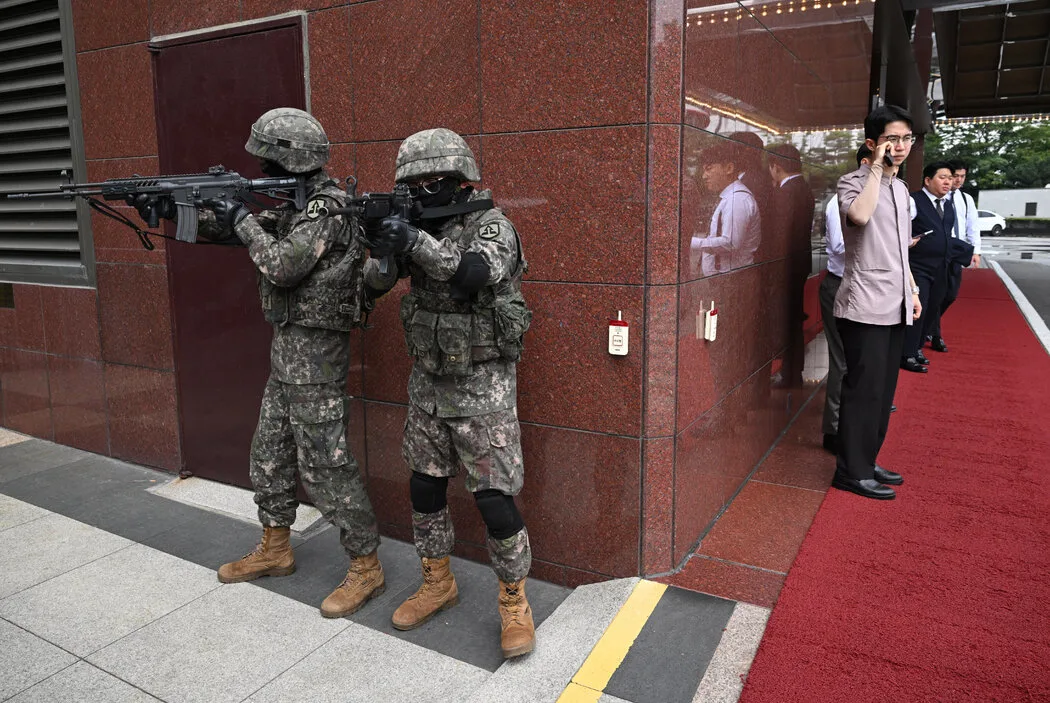
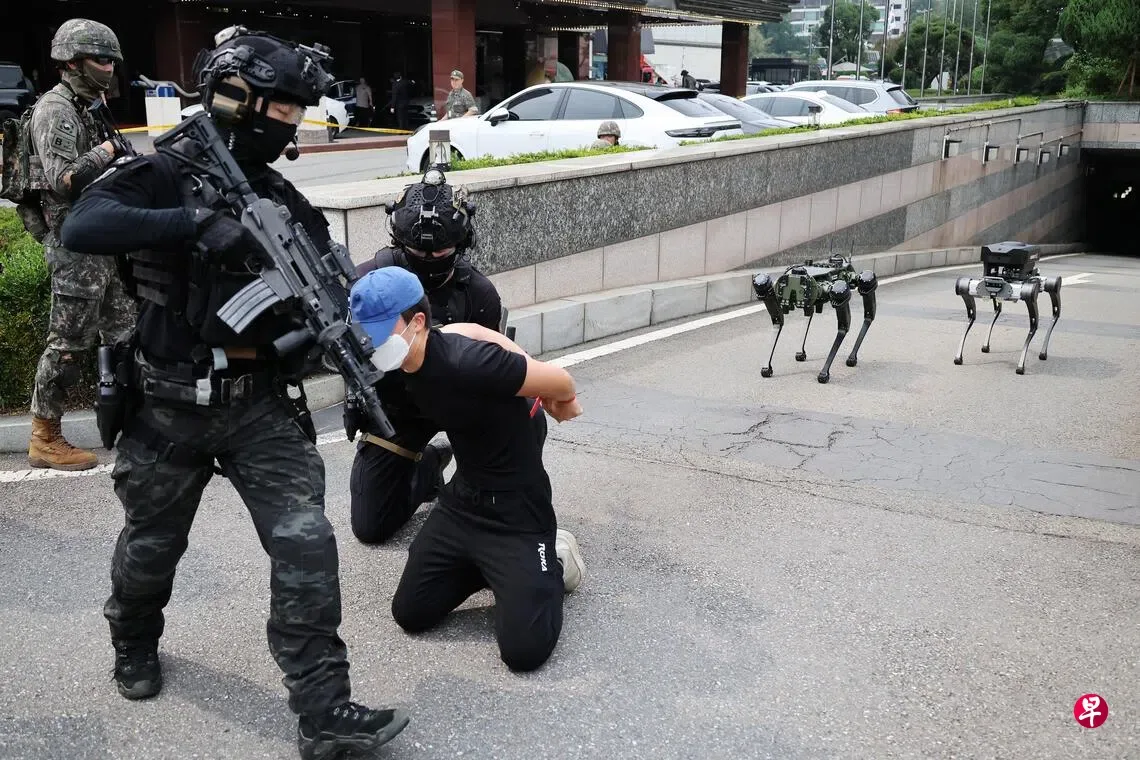
The 2026 Ulchi Freedom Shield exercises began on August 17 as planned, involving about 18,000 South Korean troops and approximately 28,500 US troops stationed in the country [1, 2, 3]. South Korea's Ministry of National Defense initially stated the drills would proceed as scheduled, with a spokesperson saying, "我们将按照此前通知和计划进行演习" (We will conduct the exercises as previously notified and planned) [1, 2, 5]. However, on August 19, South Korea's Joint Chiefs of Staff announced the exercises would end early on August 21 instead of August 27, effectively shortening and reducing the drills [7, 8, 9]. The second phase, which focused on counteroffensive training, was canceled or postponed, according to multiple South Korean media reports [8, 9].
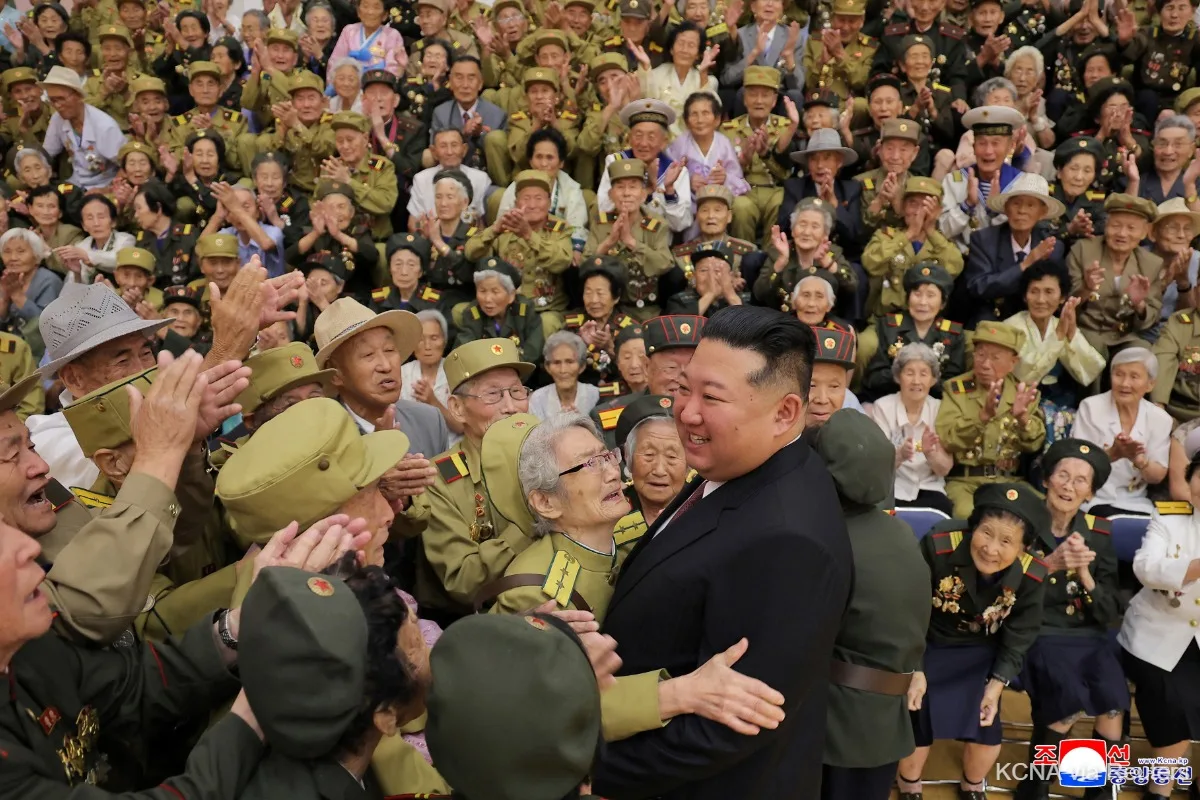
North Korean state media condemned the joint exercises on August 19, calling them a "direct threat" and an "aggressive rehearsal for invasion," and pledged to exercise their right to self-defense [10]. Kim Yo Jong, Kim Jong Un’s powerful sister, said she was "completely unaware" of any communications between Trump and the North Korean leader despite Trump's claims of contact [9, 11]. She dismissed the reduction in exercises as irrelevant, saying, "Reducing the scale or duration of the exercise did not change their provocative and aggressive character" [9].
Trump also expressed frustration that South Korea declined to join the US in efforts to push Iran's denuclearization [1, 2, 3]. He warned that Iran should not be allowed to obtain nuclear weapons and said North Korea has 57 very powerful nuclear arms [11]. The Pentagon said the scaled-back exercises would preserve essential readiness and not degrade US training objectives [9].
South Korean President Yoon Suk Yeol's office said Seoul is closely coordinating with Washington to maintain a solid combined defense posture and joint training while pursuing diplomatic efforts for resolution [6, 3, 5]. Trump is reportedly pushing aides to arrange a possible in-person meeting with Kim Jong Un during his upcoming Asia trip, potentially at the November APEC summit in Shenzhen, China [7, 12, 11].
The Ulchi Freedom Shield exercises originally scheduled to run from August 17 to 27, 2026, thus ended on August 21 this year, marking a significant early conclusion to the joint drills [7, 8, 9].