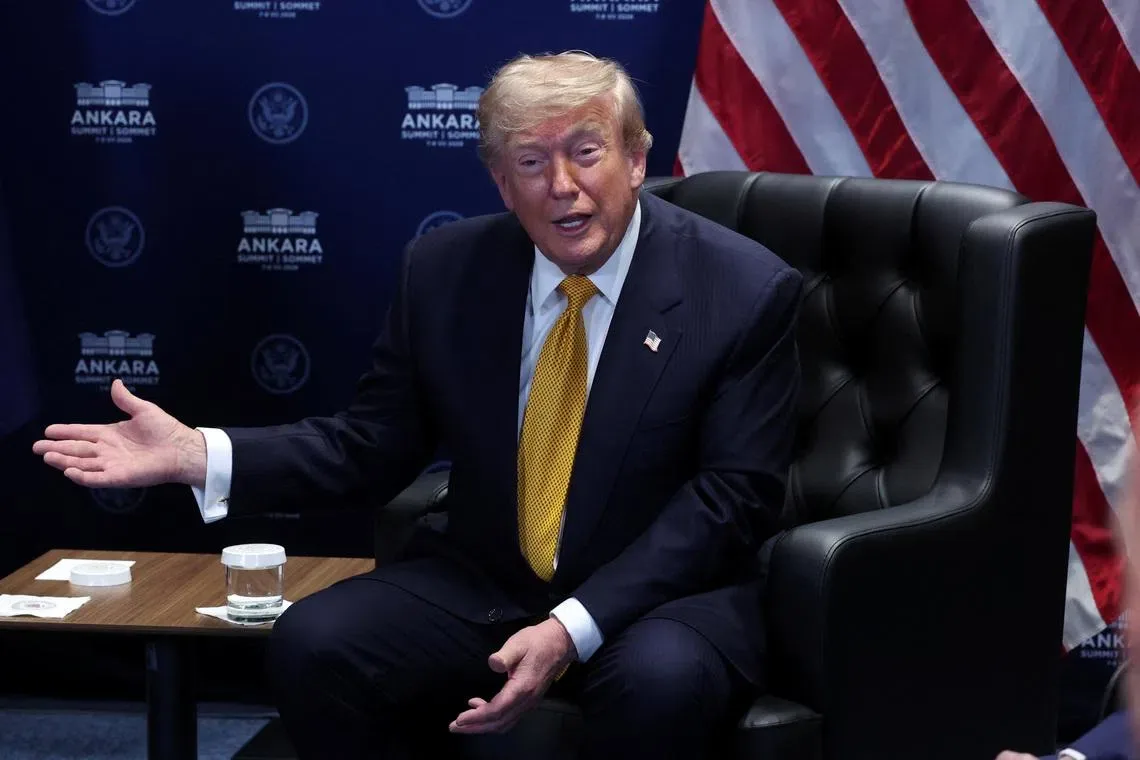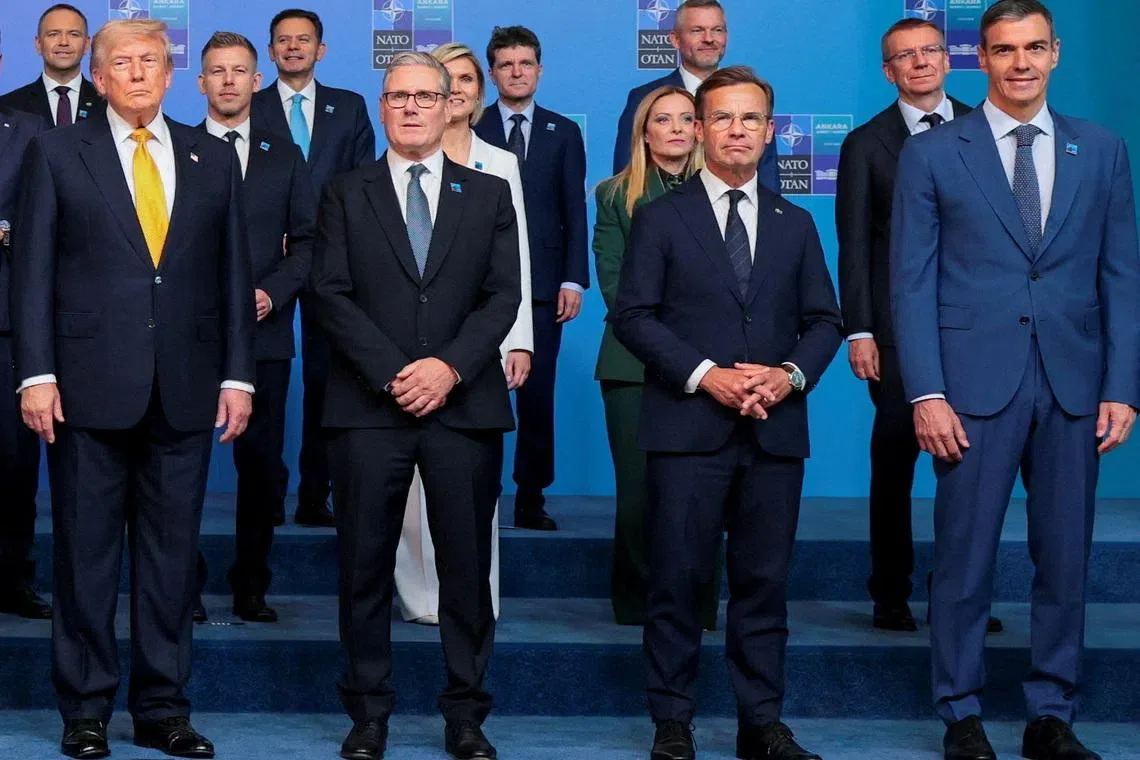
US President Donald Trump announced on July 8, 2026, at the NATO summit in Ankara that he had ordered Treasury Secretary Scott Bessent to cut off all US trade with Spain. Trump called Spain a "terrible partner" and "hopeless" in NATO, citing disputes over Spain's defense spending and its refusal to allow US military use of Spanish bases and airspace for operations related to the Iran war [1, 2, 3, 4].
Trump’s trade threat targeted Spain’s two key US military installations: Naval Station Rota and Moron Air Base, both denied for use in US actions against Iran. The former administration's stance reflected frustration over Spain not agreeing to a proposed 5% GDP defense spending target by 2035, which Trump supports. He also criticized the Iranian leadership, calling them "sick people" and declaring that the memorandum to end the war with Iran was "over" [1, 2, 3, 4].
Spain's defense spending has risen sharply since 2017, increasing from 0.98% to about 2% of GDP in 2026. Nominal expenditure nearly doubled, reaching approximately €33 billion ($37.7 billion USD). Spain has aimed to meet NATO's prior 2% GDP defense spending guideline for this year but the current left-wing Spanish government rejects increasing spending simply to reach the 5% target, citing potential social benefit cuts [5, 6, 7, 8, 9, 10].
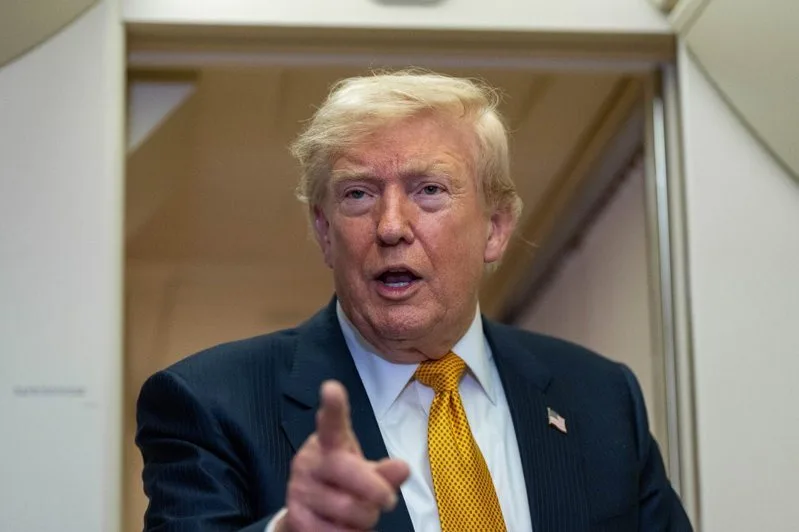
Following brief warnings, Trump softened his rhetoric on July 9 after being informed of Spain’s defense spending increases. He said Spain was "very generous today" and that "they honoured a request for lots of payments," though he still maintained some reservations about the relationship [5, 6, 7, 8, 9, 10].
During the summit, Spanish Prime Minister Pedro Sánchez had a "very cordial" conversation with Trump. Spain downplayed the dispute, highlighting the practical increase in defense outlays rather than confirming adherence to the new 5% NATO target favored by Trump [5, 6, 7, 8, 9, 10]. A Spanish government spokesperson said Spain treated Trump's remarks calmly and stressed the "excellent" relationship between the two countries, noting the US actually runs a trade surplus with Spain [4].
Meanwhile, the Biden administration and US federal agencies prepared a "menu" of Spanish products for potential embargoes. Trade lawyers noted the administration could invoke the International Emergency Economic Powers Act (IEEPA) to impose full or partial embargoes on Spanish imports, continuing pressure on Spain despite Trump’s softened tone [5, 6, 7, 8, 9, 10].
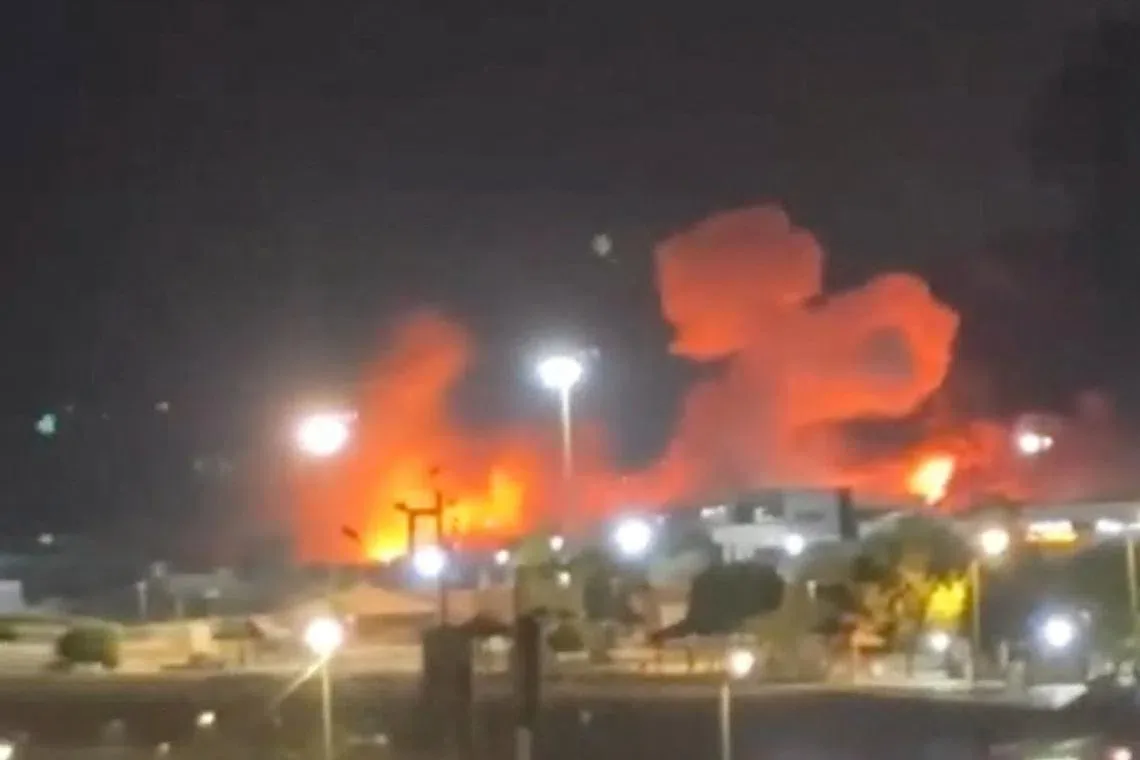
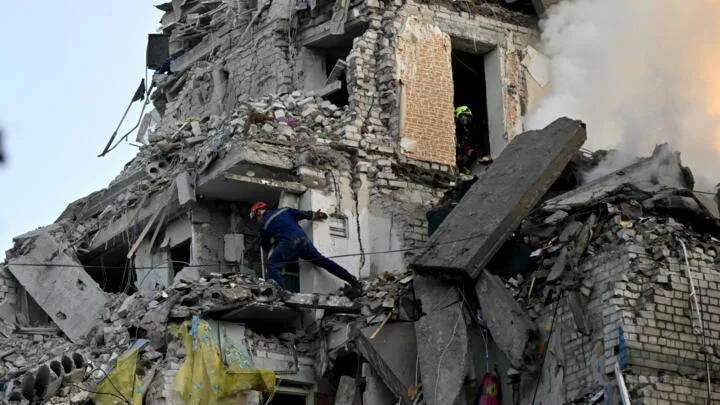
US military strikes continue against Iran after recent attacks on tankers, worsening ceasefire conditions. Licenses for Iranian oil sales have also been revoked under the US response [1, 3].
US officials are expected to finalize decisions on embargo measures against Spain and announce further steps in the coming weeks.