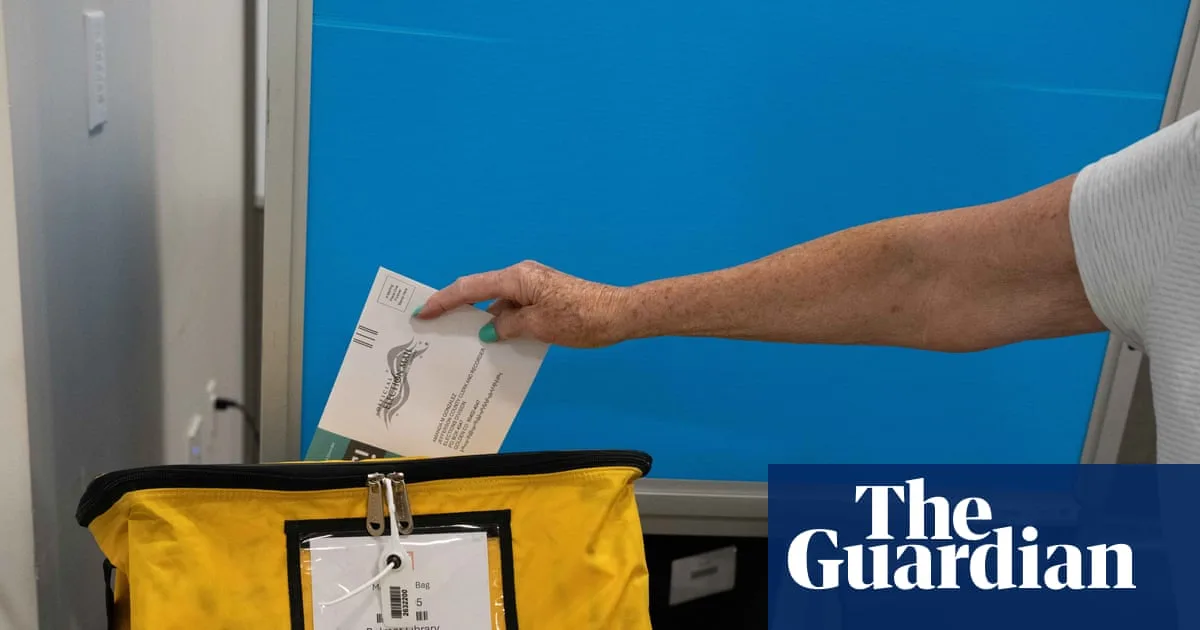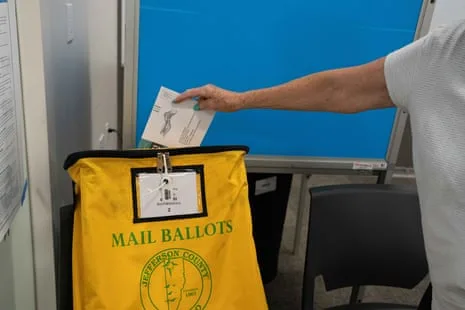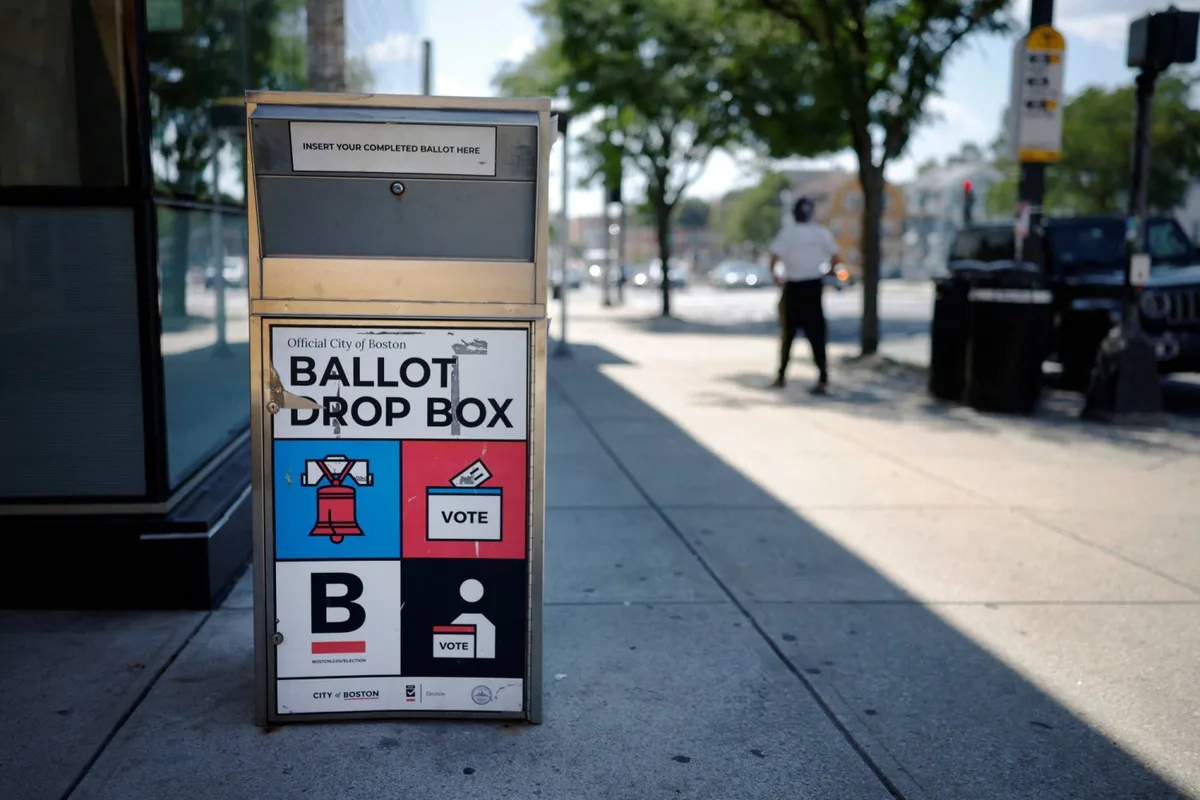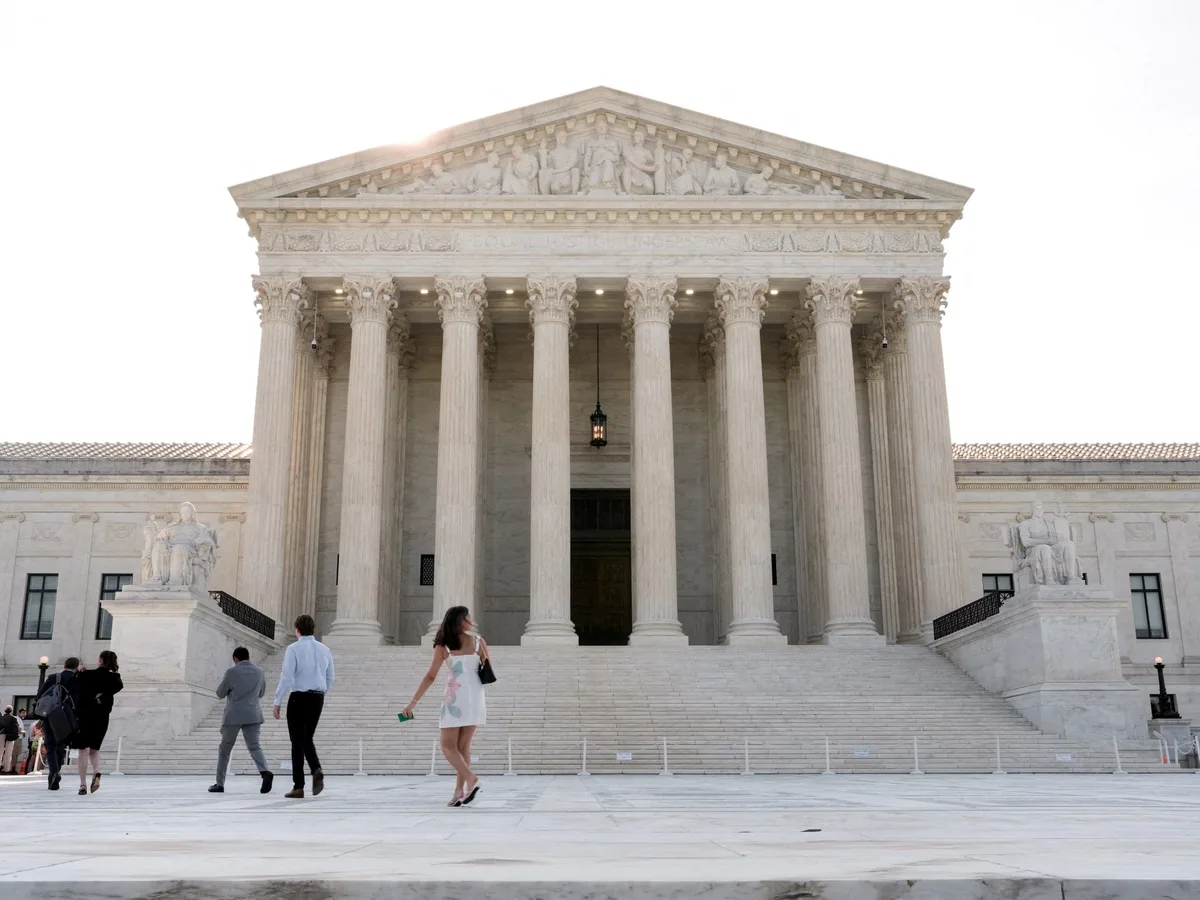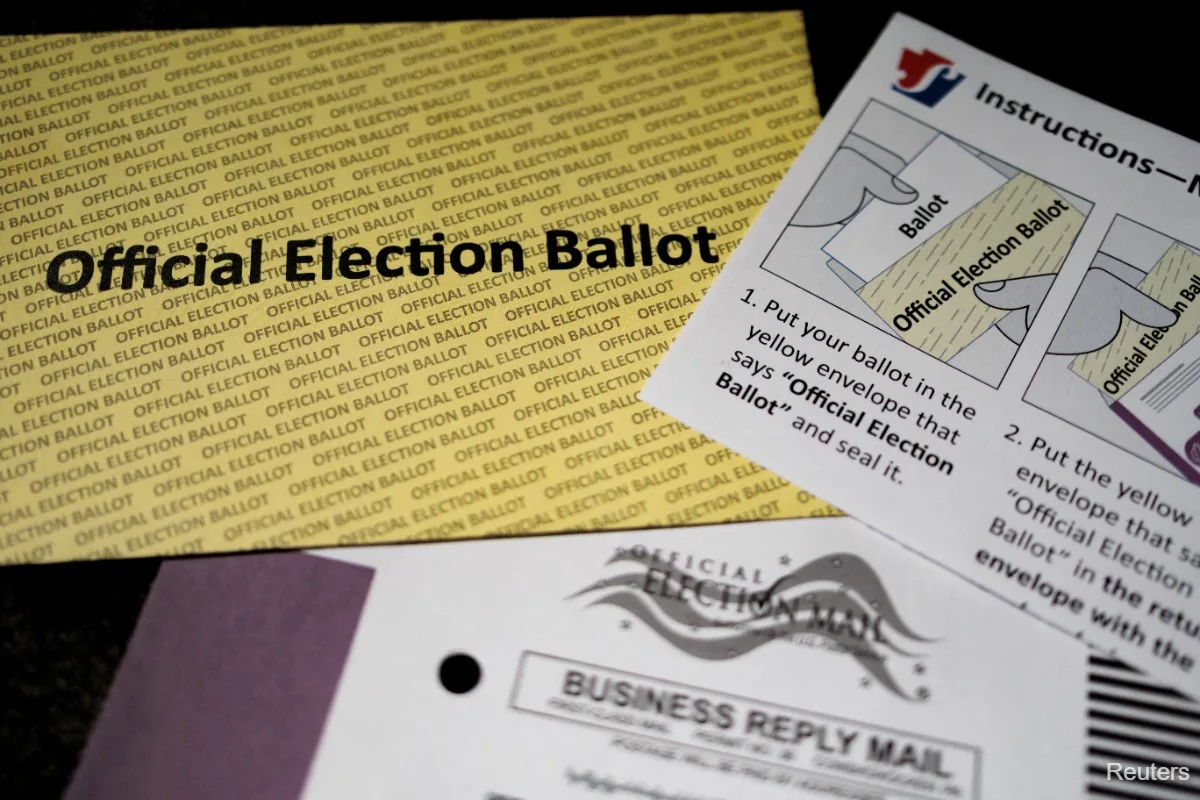
The US Supreme Court on August 24, 2026, lifted a lower court injunction blocking President Donald Trump’s executive order that restricts the use of mail-in ballots in the 23 states and the District of Columbia suing to block it ahead of the November midterm elections [1, 2, 3, 4, 5]. The 6-3 conservative-liberal split ruling did not rule on the legality or merits of the order but held the plaintiff states lacked standing to sue at this preliminary stage [2, 6, 5]. The Court’s majority noted, "The District Court lacked jurisdiction to bar the Government from trying to implement the executive order... On that score, time will tell" [5].
Trump’s March 2026 executive order mandates the Department of Homeland Security compile lists of eligible state voters with citizenship verified and directs the US Postal Service to only deliver mail ballots to those voters on the lists [1, 2, 4, 5]. The Democratic-led coalition of 23 states plus DC filed suit, arguing election administration is constitutionally reserved for states and Congress, not the president [1, 2, 4]. A federal district judge in Massachusetts issued the initial injunction in June, later upheld by an appeals court [1, 2, 4, 7]. After the Supreme Court decision, Judge Indira Talwani lifted a nationwide injunction on August 26, allowing the mail-in ballot restrictions to be implemented [7].
The administration faces time pressure to fully implement the restrictions because some states have already begun sending out mail ballots for the election [1, 3, 4, 6]. Trump has reiterated claims that mail-in ballots are vulnerable to fraud, despite no credible evidence and his own history of voting by mail [1, 2, 8, 9]. He called mail ballots “inherently corrupt” [9]. Senate Minority Leader Chuck Schumer sharply criticized the decision as "a disgrace" and accused Trump of trying to restrict voting access to avoid accountability for his administration’s failures [5].
Justice Ketanji Brown Jackson dissented, warning the ruling may cause chaos and uncertainty in the upcoming election [6]. The ruling allows the Trump administration to proceed but leaves open the possibility of additional legal challenges before the midterms in November [1, 2, 3]. The implementation of the order and its legal battles will continue to unfold as the election approaches.