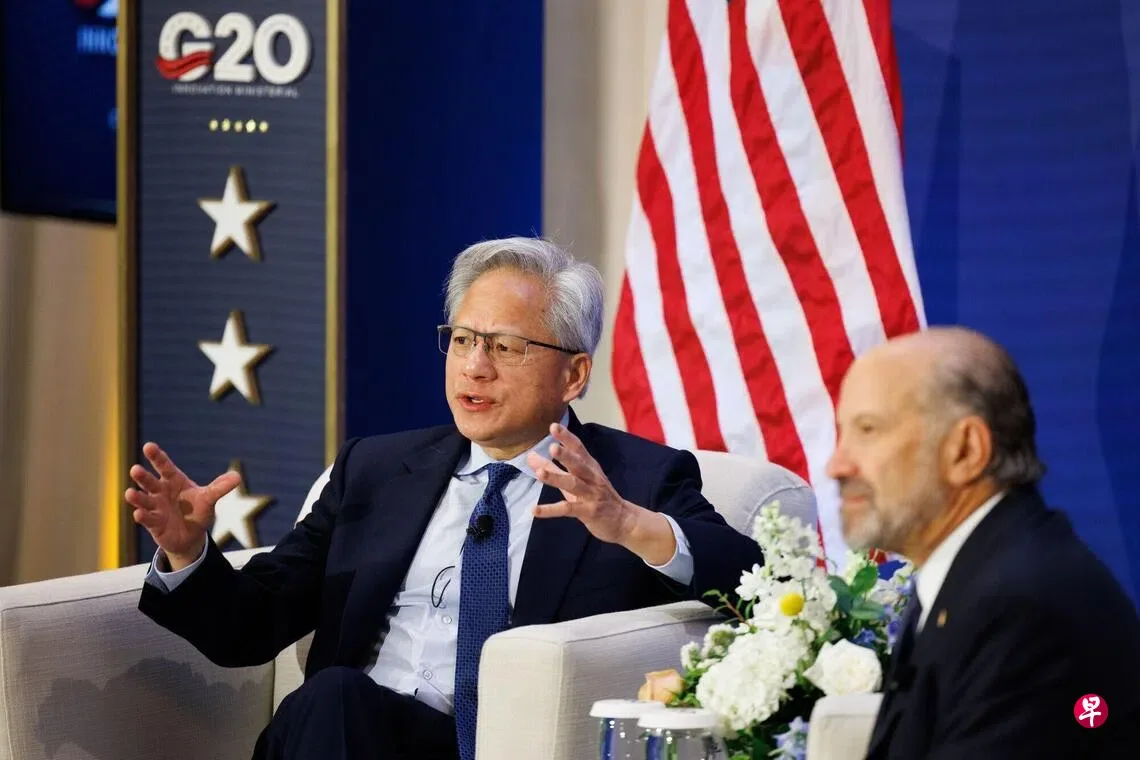
G20 nations unanimously approved the US-led 'Carolina Principles' framework for AI regulation at a technology summit in North Carolina on September 2, 2026 [1, 2, 3]. The framework promotes light-touch, sector-specific AI oversight without creating new regulatory agencies [1, 2, 3]. It also calls for collaboration between governments and private firms to evaluate emerging AI technologies and weigh the costs of delayed adoption [1, 3].
Although the framework is non-binding, it marks a rare international consensus on AI governance that includes major players such as China and Russia [1]. US Commerce Secretary Howard Lutnick said, "We need a framework that protects creators and inventors driving the economy while avoiding hindering next-generation innovators," emphasizing the balance sought between copyright protection and innovation [1, 4]. The US Justice Department voiced support for OpenAI in ongoing lawsuits arguing that training AI on copyrighted content constitutes fair use [1, 4].
Leading AI industry figures like Nvidia CEO Jensen Huang, Elon Musk, and Sam Altman backed expedited AI deployment with minimal regulatory interference [1]. Huang stressed that "every country must realize AI is infrastructure like water, roads, electricity and internet, and build infrastructure to support their economies," and urged focusing regulation on "actual and real harms, not theoretical or hypothetical ones" [1].
Discussions between the US and China explored cooperation possibilities but the US reaffirmed it would maintain export controls on advanced semiconductor chips to China [1, 2]. The US is also considering new tariffs of 25% on some imported semiconductors to encourage domestic production, with exemptions for companies building US plants [3].
G20 members agreed not to create new AI regulatory bodies but to target identified risks such as data privacy, model security, cyberattacks, deepfakes, and employment concerns as AI use expands [1, 3].
The British Deputy Minister for Science, Innovation and Investment, Macdonald, said, "Business leaders and officials have different responsibilities. The UK is looking for a balanced approach between accelerating AI development and maintaining public trust" [1]. EU Commissioner Margrethe Vestager warned of emerging threats including AI agent network attacks, calling for close government cooperation [1].
The G20 summit resulted in a shared commitment to coordinate regulation of AI while fostering innovation and protecting creators. The next step includes continuing dialogue on specific regulatory actions and maintaining international collaboration amid ongoing technological and geopolitical challenges.