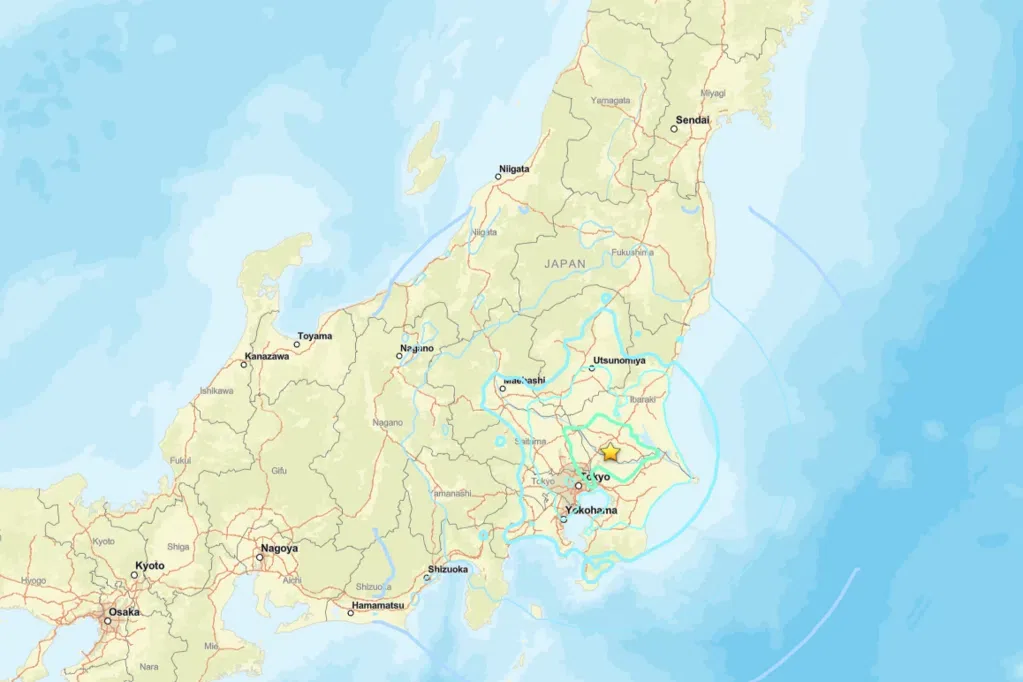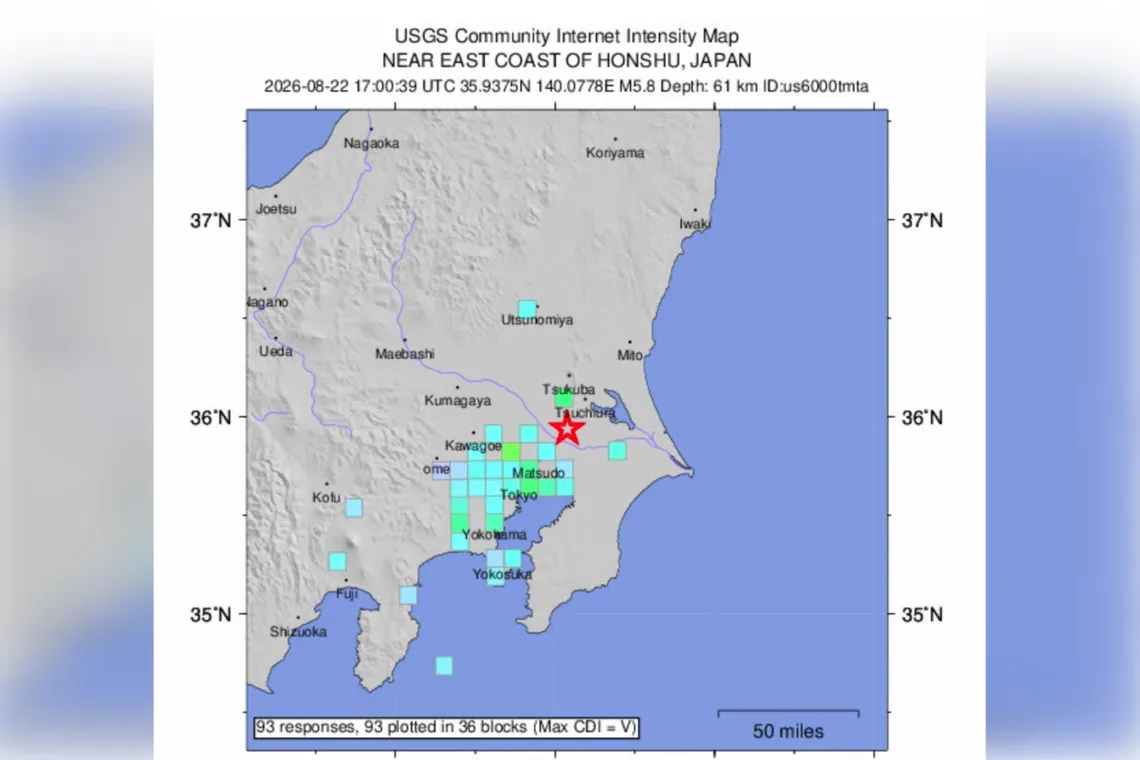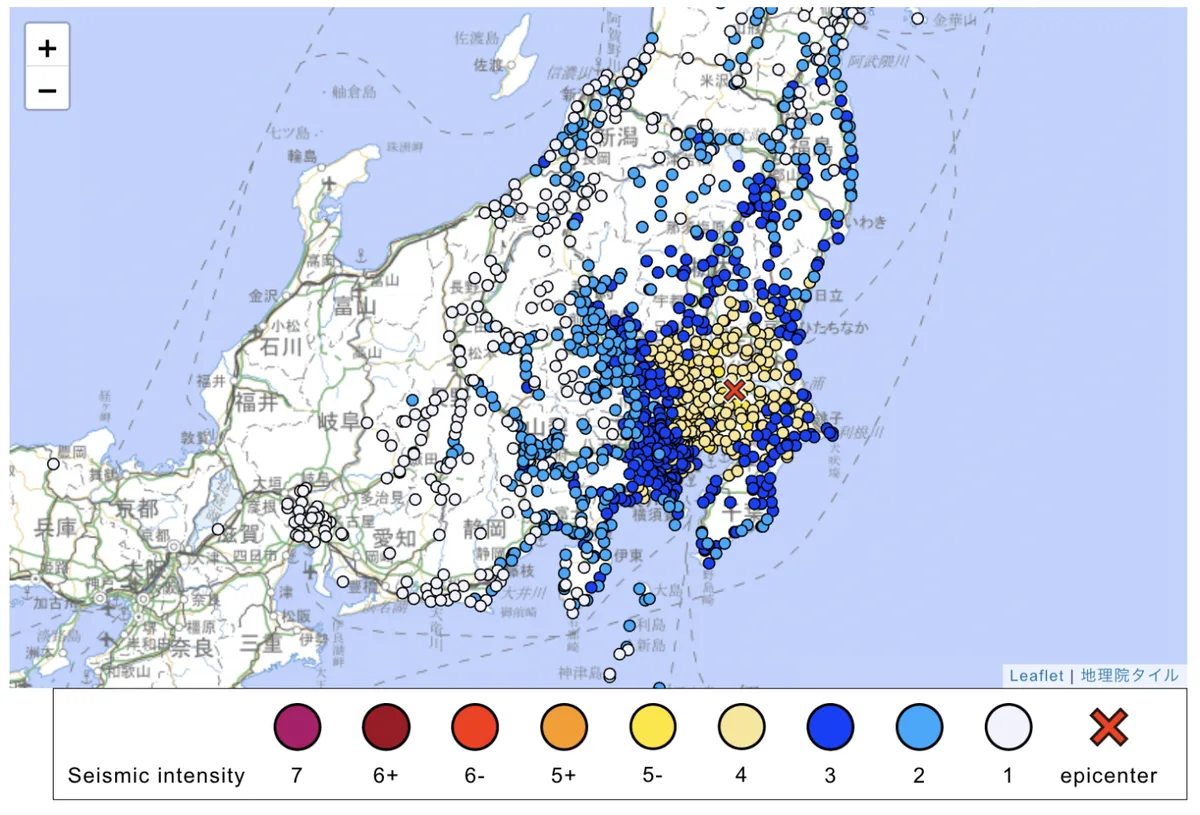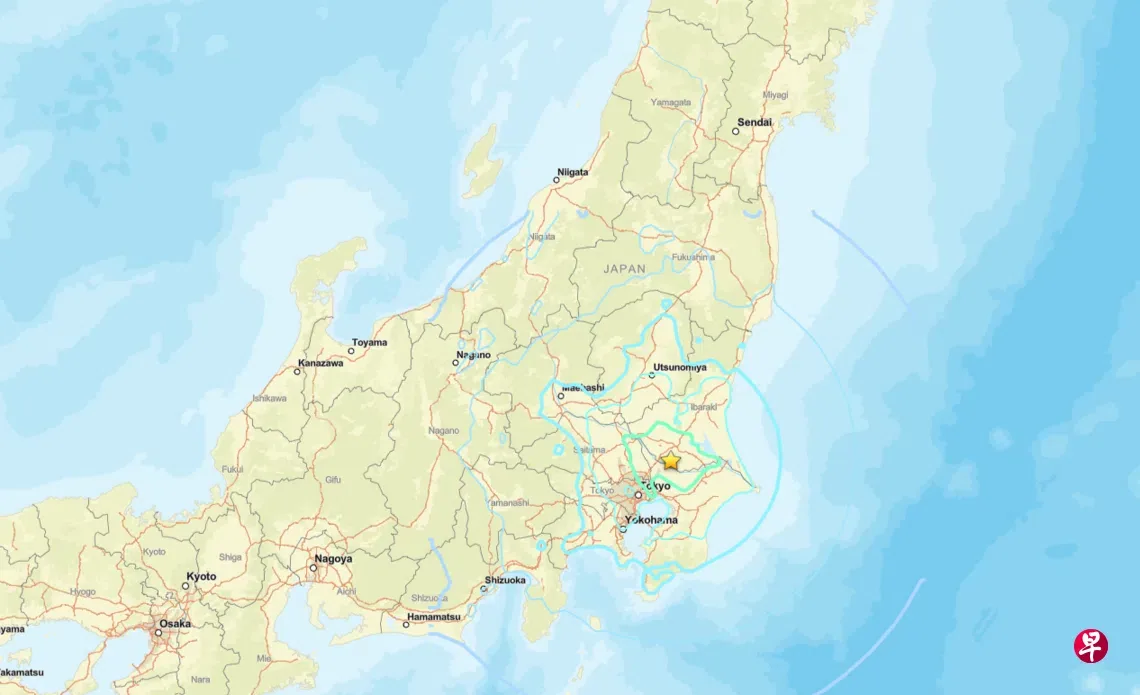
A magnitude 5.9 earthquake hit eastern Japan early on August 23, centered in southern Ibaraki Prefecture at a depth of about 68 to 70 kilometers [1, 2, 3, 4, 5, 6, 7, 8, 9, 10]. The quake registered a lower 5 intensity on the Japanese seismic scale in parts of Ibaraki, Tokyo's Adachi and Koto wards, Saitama, Chiba, and Kanagawa prefectures [1, 2, 3, 4, 5, 7, 8]. This was the first time in five years that Adachi Ward experienced shaking of this intensity [4]. There was no tsunami threat linked to the earthquake [1, 2, 3, 4, 5, 6, 7, 11, 8, 10].
At least 37 people were injured, mostly lightly, including an elderly woman in Yokohama who suffered a serious injury after falling while trying to get out of bed [4, 7, 8, 9, 10]. Some reports noted 23 injured, mostly minor [4, 8]. About 400 to 460 households in Tokyo faced brief power outages that were later restored on the same day [4, 8]. Koto Ward saw a ruptured water main, with authorities investigating the cause [1, 4, 8, 10].
Rail services in the Kanto region, including the Joban, Keihin Tohoku, Shonan-Shinjuku, Musashino, Chuo-Sobu, and Sotobo lines, were delayed or disrupted after the quake [7, 8, 10]. Despite the shaking, no abnormalities were reported at nearby nuclear power plants such as Tokai No. 2, Fukushima Daiichi and Daini, and Tokai nuclear facilities [1, 2, 3, 4, 6, 8].
Earthquake early warning alarms activated on mobile phones and outdoor broadcasts in the affected area [4, 7, 10]. Tokyo resident Kobayashi Tomohiro described the shaking: "警报响后约三秒钟,就是一阵强烈的向上的震动,大约持续一分钟。" (The alarm sounded for about three seconds, followed by a strong upward shaking lasting about a minute) [4].
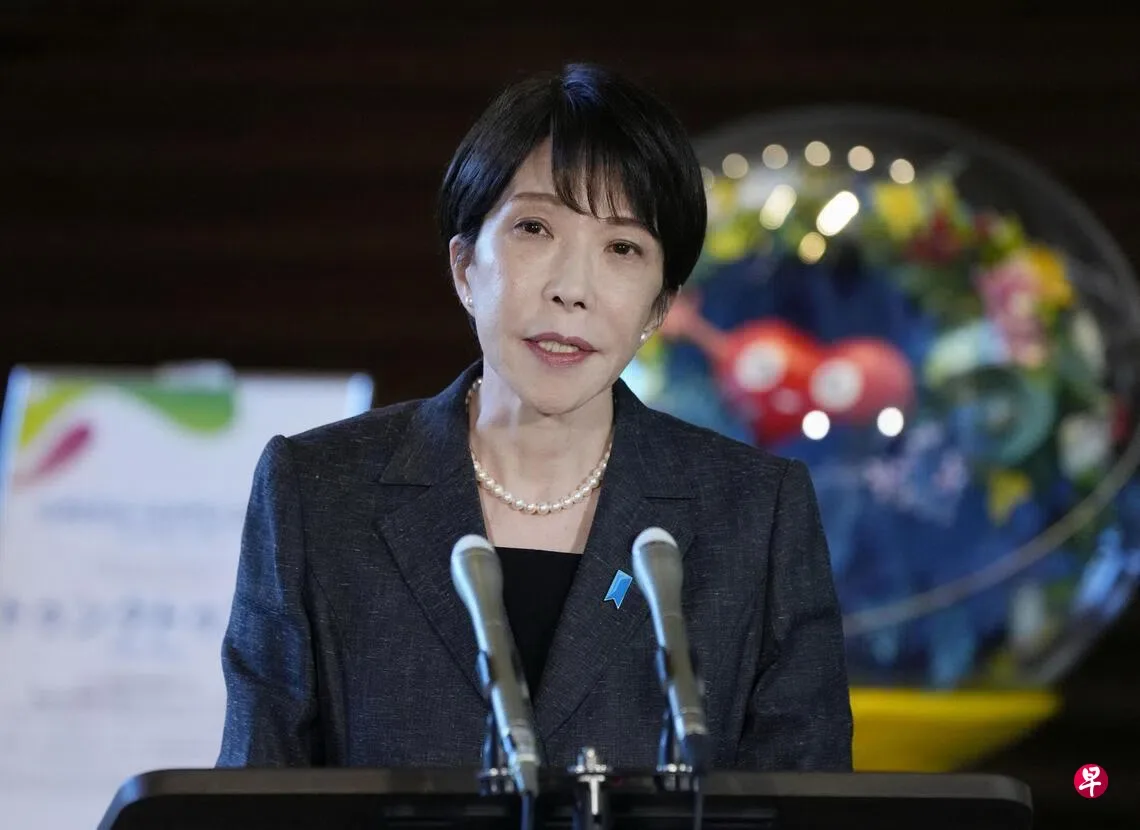
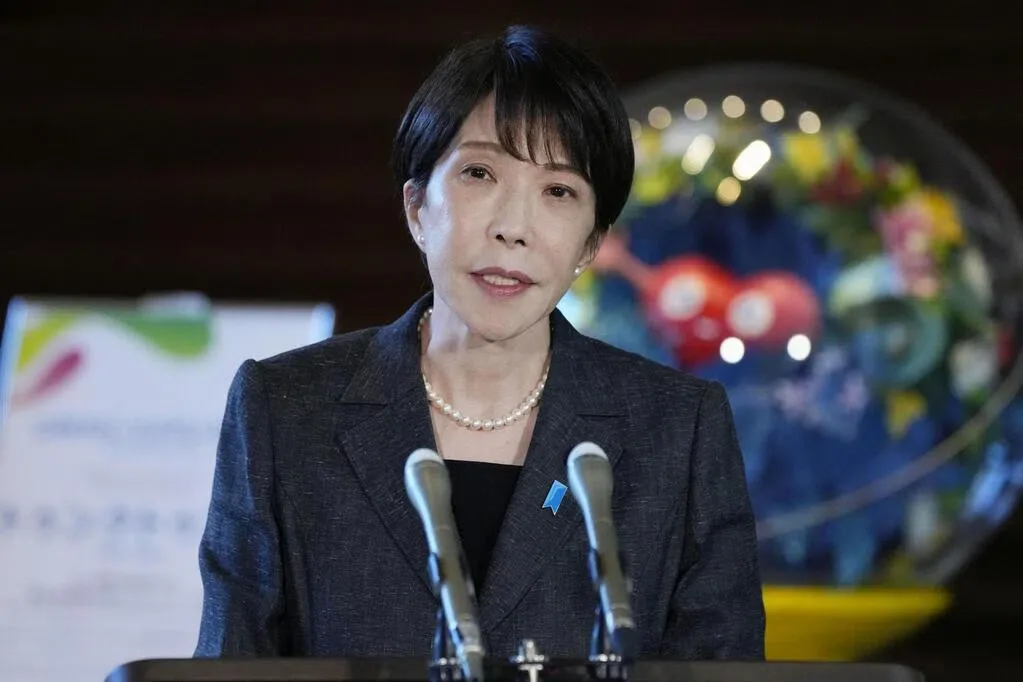
Prime Minister Sanae Takaichi urged residents in strongly shaken areas to remain alert for potential aftershocks of similar or greater strength. She said, "I have instructed officials to ascertain the extent of the damage from the quake and provide timely information to the public" [1, 7]. The government set up a liaison office at the Prime Minister's Crisis Management Center to coordinate the response and keep the public updated [1, 2, 3, 4, 6, 7, 11].
No tsunami alert was issued, but the Japan Meteorological Agency advised vigilance in the coming days and week for possible aftershocks [1, 2, 4, 7, 10]. Authorities continue to monitor safety and repair infrastructure as aftereffects are evaluated.